

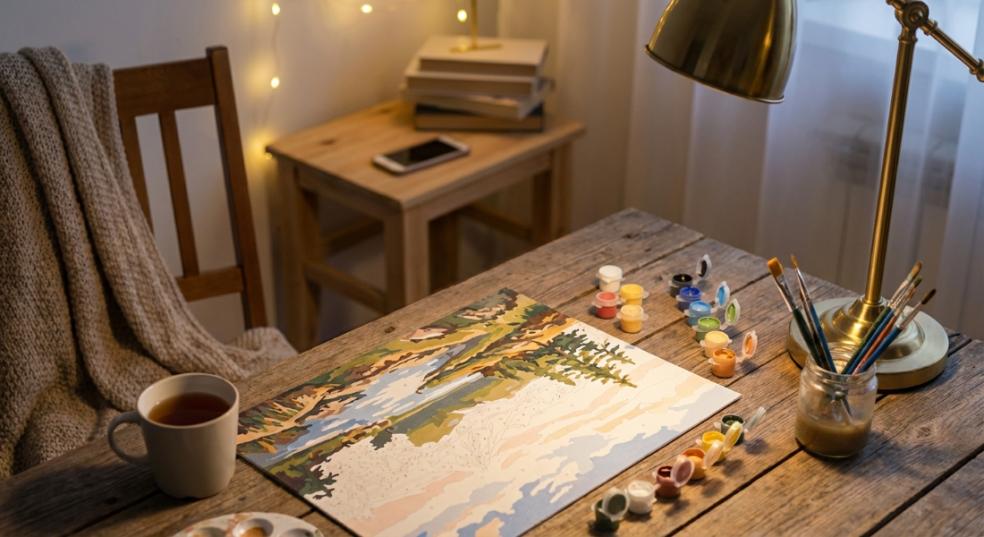
Stop Scrolling, Start Painting: Why Analog Hobbies Are The Ultimate Daily Reset
In a world of constant notifications, endless scrolling and late-night blue light, many of us are quietly exhausted. If you’ve ever picked up your phone “for five minutes” and looked up an hour later, you’re not alone.
The real question this article answers is:
Can simple, screen-free hobbies like paint by numbers genuinely improve focus, calm and wellbeing?
The answer, increasingly supported by wellbeing research and therapeutic practice, is yes.
Seeking a creative offline hobby isn’t about rejecting technology entirely, it is about creating intentional offline time that helps reset the brain. Structured, tactile hobbies like paint by numbers (PBN) offer a surprisingly effective way to disconnect from digital overwhelm and reconnect with focused, mindful creativity.
The Art of Disconnecting: Why We Struggle to Switch Off
We’re living in what psychologists often describe as an “always-on” culture. Many adults:
-
Check emails during dinner
-
Scroll before bed
-
Multitask constantly
-
Rarely experience uninterrupted focus
Excessive screen use, particularly in the evening, is associated with disrupted sleep patterns due to blue light exposure and cognitive stimulation (NHS guidance on sleep hygiene highlights the importance of limiting screens before bed).
The issue isn’t technology itself — it’s the lack of balance.
Analog hobbies create boundaries. They provide defined, tactile experiences that naturally pull attention away from devices.
What Is Paint by Numbers — and Why Is It So Effective?
Paint by Numbers (PBN) is a structured art activity where a pre-printed canvas is divided into numbered sections, each corresponding to a specific paint colour.
Unlike free painting, PBN:
-
Removes decision fatigue
-
Provides clear, achievable steps
-
Creates visible progress
-
Offers a built-in sense of completion
It works as a guided mindfulness tool — often described as “meditation with a purpose.”
Each numbered section anchors attention to a small, manageable task. The repetitive motion of brushstrokes slows breathing and reduces mental chatter, similar to grounding techniques used in anxiety management.
From Pixel to Pigment: How Painting Resets the Brain
When we stare at screens, our brains experience:
-
Constant stimulation
-
Frequent dopamine spikes
-
Rapid task switching
This can leave us feeling restless rather than restored.
Painting does the opposite.
Grounding through touch and sight
The physical sensation of brush on canvas, the smell of acrylic paint and the gradual build-up of colour activate multiple senses. This anchors attention in the present moment.
Flow state activation
The structured nature of paint by numbers encourages what psychologists call “flow state” — deep engagement without overwhelm. Because the roadmap is already there, the brain can relax into the process.
Tangible accomplishment
Unlike scrolling, which produces no lasting output, painting leaves you with something real. Each completed section provides visual evidence of time well spent — a powerful confidence boost.
The Analog Toolkit: Setting Up Your Creative Space
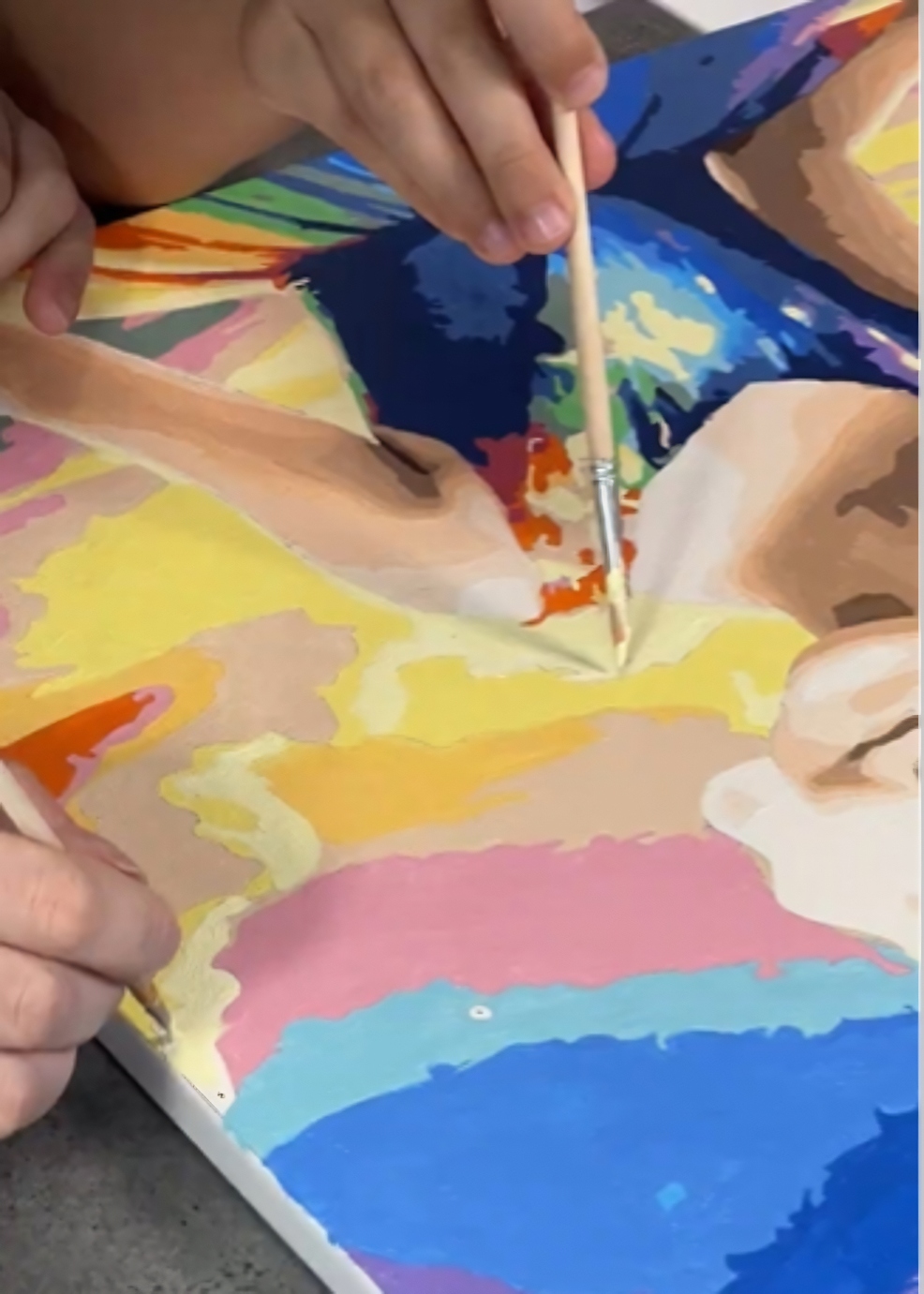
Most paint by numbers kits include:
-
Pre-printed canvas
-
Numbered acrylic paints
-
Brushes
-
Reference guide
To elevate your experience, consider:
-
A well-lit workspace (natural light is ideal)
-
A water cup for rinsing brushes
-
Paper towels or lint-free cloth
-
A mixing palette
-
Clear gesso for surface preparation
Why Clear Gesso Matters
Most PBN canvases are very smooth. Applying a thin layer of clear gesso beforehand adds “tooth” (texture), allowing paint to adhere more evenly and reducing streaking.
This small preparation step can significantly improve the finished result.
Mastering the Details: Techniques for a Professional Finish
Work From Dark to Light
Darker colours cover more effectively and create a stable base. Move gradually towards lighter shades to avoid contamination.
The White Pencil Hack
Light colours can struggle to cover printed numbers. Colouring over numbers with a white pencil first prevents “ghosting” and reduces the need for multiple coats.
Layer Thinly
-
Apply 2–3 thin coats instead of one thick layer
-
Allow each coat to dry fully
-
Keep a damp cloth nearby for quick corrections
Consistency is key: acrylic paint should feel creamy, not watery.
Why Analog Hobbies Matter in a Digital World
Paint by numbers isn’t just about art — it’s about reclaiming focus. It also supports creativity and lifelong learning — something we explore further in our guide to encouraging curiosity at any age.
Analog hobbies:
-
Reduce passive screen consumption
-
Improve sustained attention
-
Support stress regulation
-
Encourage mindful presence
-
Create structured downtime
Even 30 minutes swapped from scrolling to painting can shift the tone of your evening , especially if you're trying to build a more calm evening routine that everyone looks forward to.
Creating a Sustainable Creative Habit
If you want this to stick:
-
Designate one no-phone creativity zone in your home
-
Keep your kit visible and ready
-
Set a daily reminder: “Create, don’t consume”
-
Celebrate small sections completed
The goal isn’t perfection.
It’s presence.
Every brushstroke is a quiet rebellion against hyperconnectivity — choosing focus over fragmentation.
FAQs
1. Is paint by numbers good for stress relief?
Yes. The structured, repetitive nature of paint by numbers encourages focus and grounding, which can help reduce stress and mental overload.
2. How does painting compare to screen time for relaxation?
Unlike screen use, which stimulates constant input, painting engages the senses and encourages sustained attention, supporting calmer brain activity.
3. Do you need artistic skill to try paint by numbers?
No. Paint by numbers is designed to guide you step-by-step, making it accessible for beginners while still offering a rewarding creative experience.