
Designing a Kids’ Bathroom? Practical Things Parents Often Forget to Consider
If you’re designing a bathroom for children, safety, storage and practicality matter just as much as style. From slip-resistant flooring to child-friendly storage and design choices that grow with your child, small decisions can make everyday routines much easier.
Designing a bathroom for your kids might seem simple at first, but once you get into the details, it’s a bit more complicated than expected. It’s not just about picking a fun colour and being done with it. A well-designed kids' bathroom needs to be safe, practical, suitable for their age, and able to adapt as they grow, while still making sure it fits in with the rest of your home.
Whether you're updating an existing space or starting from scratch, here are some key things to think about before making any decisions.
Safety Comes First, Always
Before anything else, safety should always come first when designing a kids' bathroom. Children are naturally curious and can be a bit clumsy, and bathrooms are one of the more accident-prone areas in the house.
Start with slip-resistant flooring. Wet tiles can easily cause falls, so go for textured tiles, non-slip mats, or vinyl flooring that offers better grip.
Then consider your fixtures. Faucets with built-in temperature control or anti-scald features can help prevent burns from sudden hot water.
Rounded edges on countertops and vanities are also worth considering, especially for younger children. Cabinet locks for cleaning supplies and medicines are essential. And if you have toddlers, adding a toilet lock is a sensible precaution.
These aren’t over-the-top precautions, they’re just practical choices that help you worry less.
Think About Accessibility for Little Bodies
Most bathrooms are designed for adults, which can make everyday use difficult for kids. A sink that’s too high or a mirror they can’t properly see into might not seem like a big deal at first, but these small issues can become frustrating over time.
Step stools can help in the short term, but if you’re renovating, it’s worth thinking about more permanent solutions.
A lower vanity unit, dual-height countertops, or easy-to-use lever taps can make a big difference. Adjustable-height vanities are also a great option if your budget allows.
Placing mirrors, hooks, and towel rails at a lower height makes it easier for kids to manage things on their own. Making things easier for them also helps build confidence and independence.
Choose Durable, Easy-to-Clean Materials
Kids' bathrooms go through a lot, spilled toothpaste, water splashes, and general mess. It’s just part of having kids. That’s why choosing materials that are durable and easy to clean is so important.
Quartz countertops are a popular choice because they resist stains and don’t need much maintenance.
Ceramic or porcelain tiles work well for floors and walls since they handle moisture and are easy to wipe down.
It’s best to avoid natural wood in areas exposed to water, as it can warp over time.
For cabinets, painted or laminate finishes tend to hold up better than raw wood. Using semi-gloss or satin paint on the walls also makes cleaning easier and helps deal with marks and fingerprints.
Smart Storage That Kids Can Actually Use
Kids come with a lot of stuff, bath toys, toiletries, and everyday essentials, and things can get messy quickly.
Storage should be simple and easy for kids to use.
Lower shelves, pull-out drawers, and labelled bins help keep things organised and accessible.
Items kids use daily should be within reach, while anything potentially harmful should be stored higher up or locked away.
Adding small features like a bathtub ledge or a hanging mesh organiser can make a big difference. This helps keep toys from sitting in water on the floor and makes it easier for kids to help clean up.
Using vertical space is also a smart move. Wall hooks or simple organisers can hold towels and accessories without taking up valuable floor space.
Things Parents Often Forget in a Kids’ Bathroom
Alongside flooring and storage, parents often overlook:
- Somewhere practical to store bath toys so they dry properly
- Hooks low enough for children to hang towels independently
- Night lighting for toilet trips
- A place for step stools when they’re not in use
- Easy-clean wall finishes around sinks where splashes happen most
Often it’s these smaller details that make a family bathroom work day to day.
Design for Growth
One mistake many parents make is designing a bathroom that suits their child’s current age but doesn’t work a few years later.
Children’s tastes change quickly, and what works now might feel outdated soon.
A better approach is to keep the main design simple and neutral, things like tiles, fixtures, and larger elements.
You can then add personality through items that are easy to change, like shower curtains, rugs, or accessories.
This way, you can update the look over time without needing a full renovation. It also saves you money and effort later on.
Don’t Overlook Lighting
Good lighting is important in a kids’ bathroom. They need proper visibility for everyday tasks like brushing teeth or getting ready for school.
Instead of relying only on overhead lights, combine them with lighting around the mirror to reduce shadows.
If the bathroom is used at night, adding a soft nightlight or motion-sensor lighting can help prevent accidents in the dark.
Final Thoughts
A well-planned kids’ bathroom makes everyday life easier for the whole family.
It doesn’t need to be expensive, it just needs to be planned properly.
When you focus on safety, accessibility, durability, storage, and flexibility, you end up with a space that works well in daily life, not just looks good.
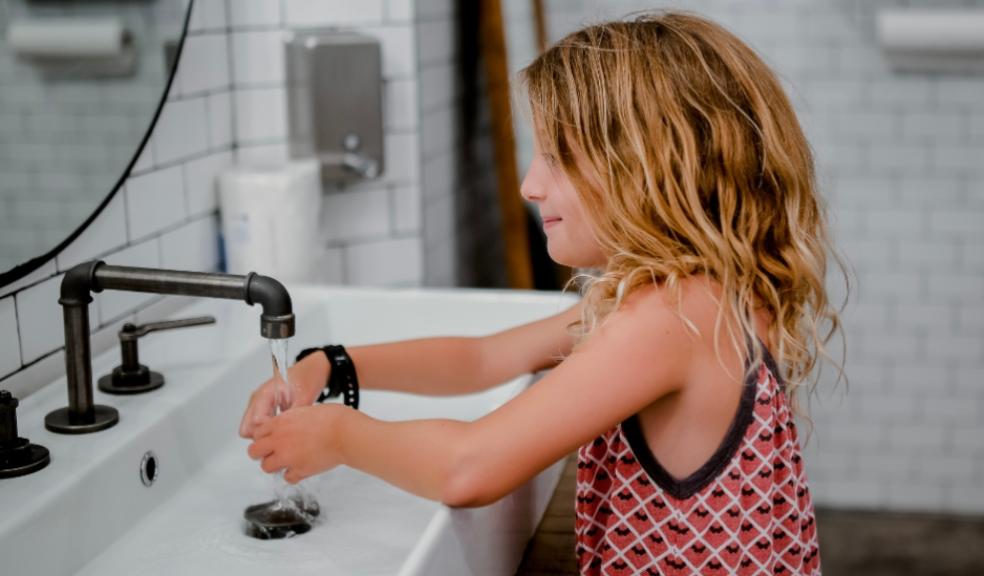
A thoughtful children’s bathroom can also support independence, helping children take pride in everyday routines like handwashing, bath time and getting ready for school.
Frequently Asked Questions About Designing a Kids’ Bathroom
What flooring is best in a children’s bathroom?
Slip-resistant tile, textured vinyl and non-slip flooring are often practical choices for family bathrooms.
How can I make a bathroom child-friendly without it looking too childish?
Keeping permanent features neutral and bringing in personality through accessories can help the space grow with your child.
What storage works best in a kids’ bathroom?
Low drawers, labelled bins and accessible hooks can help children use the space independently.
Promotional content