

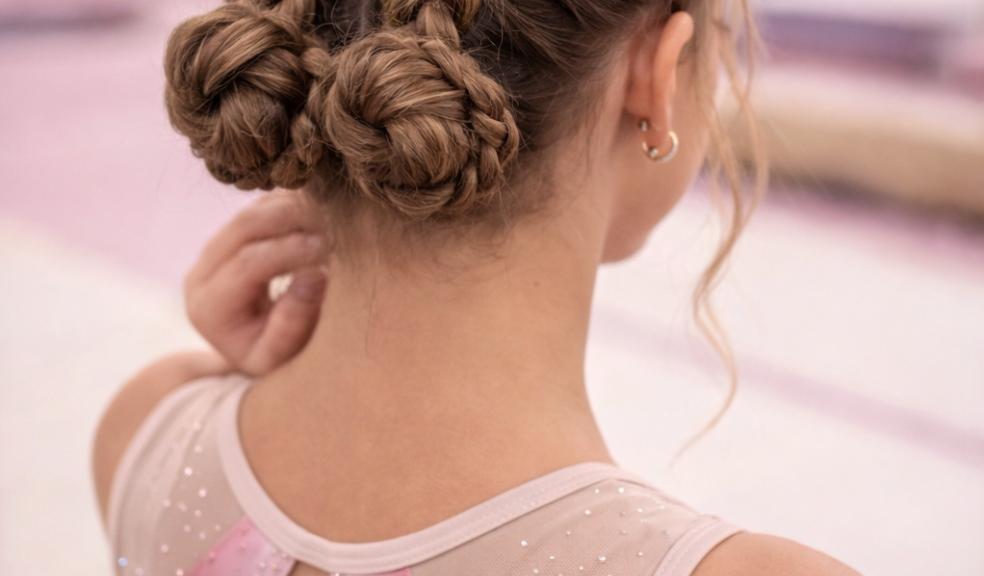
How to Dutch Braid Your Tween’s Hair – Easy Step-by-Step Tutorial for School & Gymnastics
If you’ve ever looked at Dutch braids and thought, “That looks amazing… but I have absolutely no idea how to do that,” you’re not alone.
We first came across Dutch braids because they were needed for gymnastics competitions. But since learning how to do them, I’ve started noticing them everywhere — from school playgrounds across the UK to family days out and birthday parties.
They’re smart. They’re on-trend. They stay put all day. And as an added bonus? When you take them out the next morning, you’re left with the loveliest soft waves.
If you’re completely new to plaiting styles, you might also love our Bubble Braid Hair Tutorial for Tweens, which is a brilliant starting point before moving on to Dutch braids.
Now let me be honest. I’ve been plaiting my own hair for about 35 years, and learning Dutch braids felt like I had to completely unlearn everything I knew. It’s basically braiding… but backwards.
Some days I absolutely nail it. Other days one side looks fantastic and the other looks like it fought back.
So whether you’re a mum learning to braid your child’s hair or a tween wanting to master it yourself — here’s exactly how to do it.
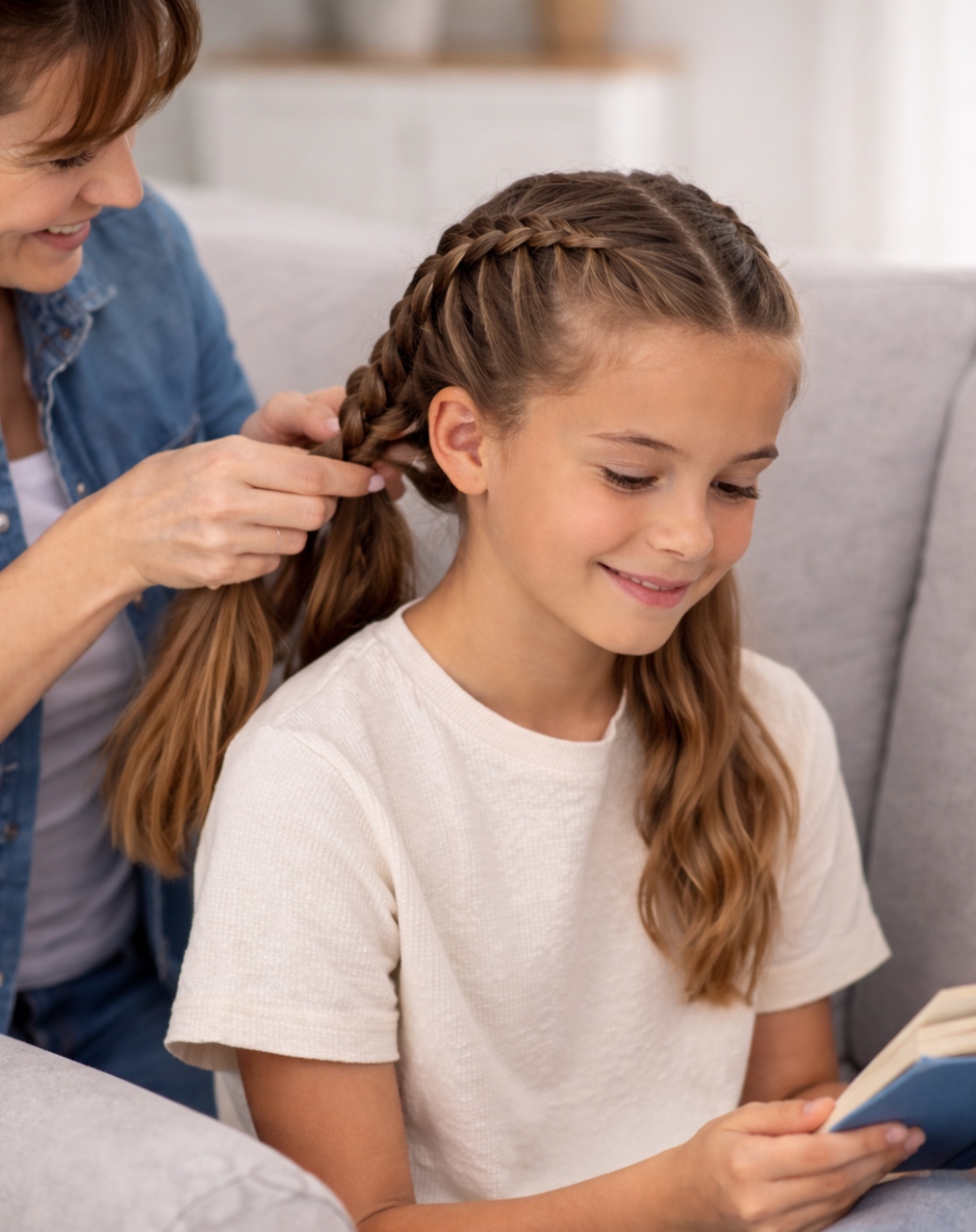
How Do You Dutch Braid Hair?
A Dutch braid is created by crossing the side sections under the middle strand (instead of over, like in a normal braid). As you braid, you add small sections of hair from each side before crossing underneath. This creates the raised, “inside-out” braid effect that sits on top of the hair.
What You’ll Need
-
A brush or detangling comb
-
1–2 hair elastics
-
Hair clips (optional, for sectioning)
-
A mirror (essential if tweens are doing this themselves)
Tip: Smooth, brushed hair works best. If hair is very freshly washed and slippery, a tiny bit of styling spray can help add grip.
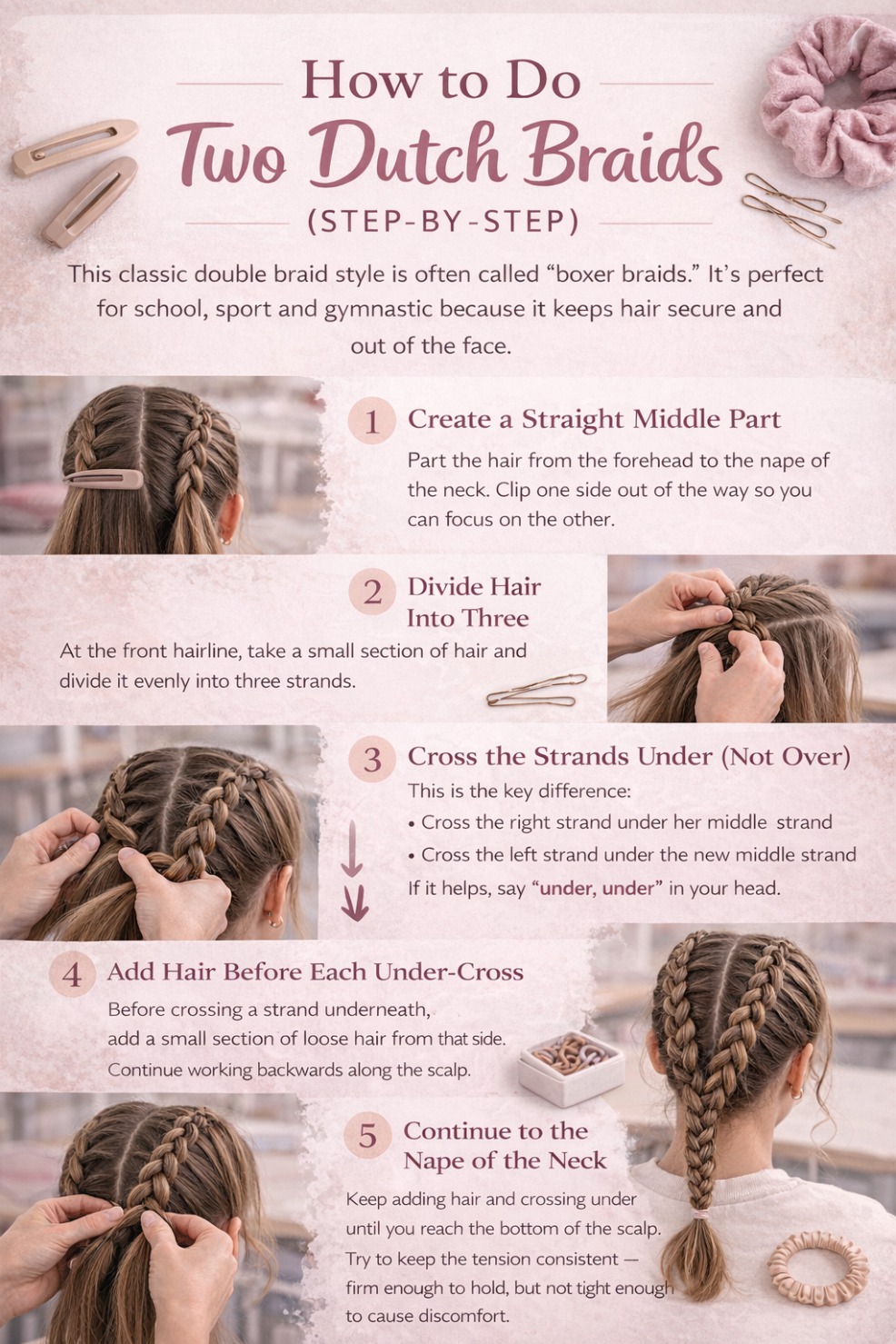
How to Do Two Dutch Braids (Step-by-Step)
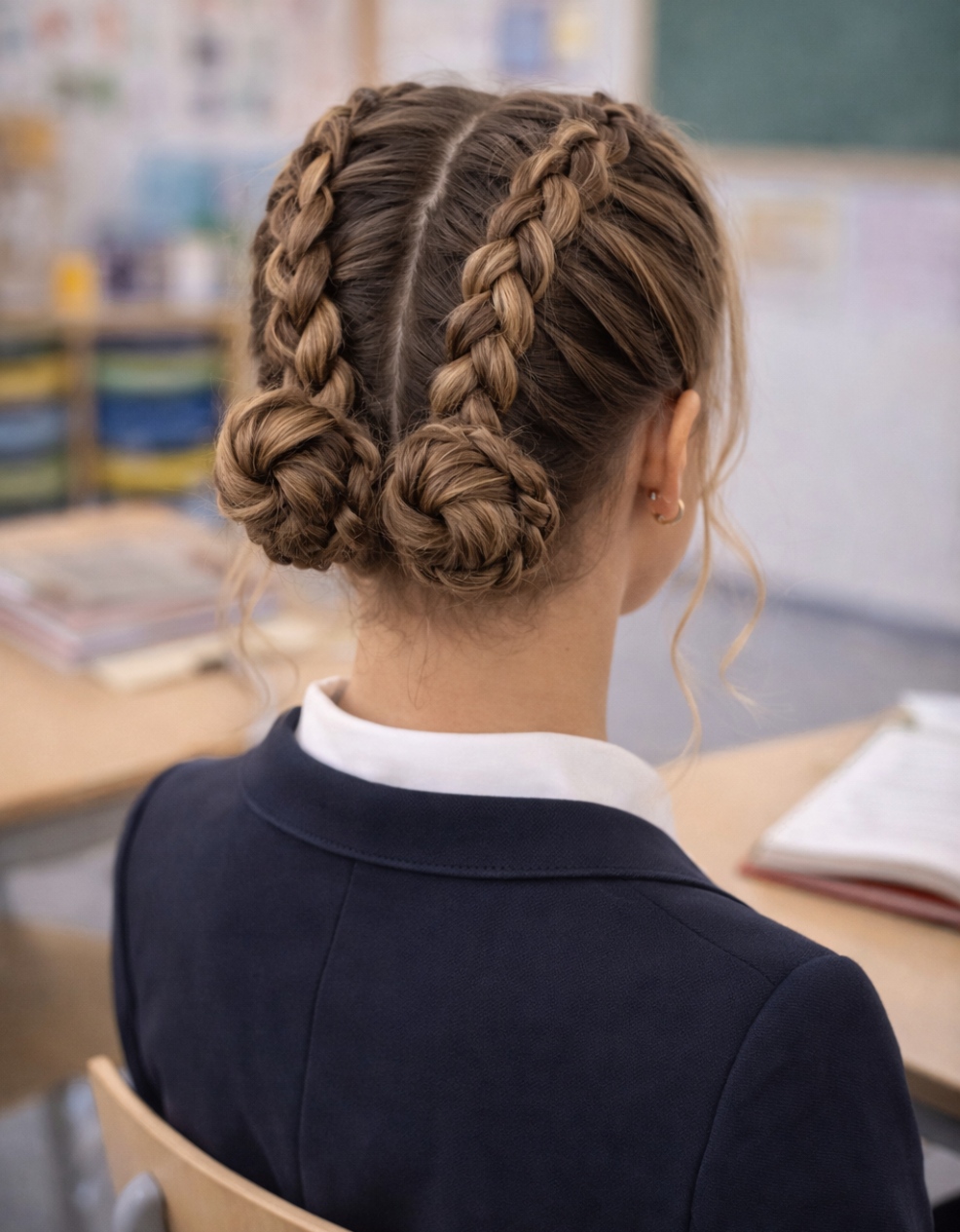
This classic double braid style is often called “boxer braids.” It’s perfect for school, sport and gymnastics because it keeps hair secure and out of the face.
Step 1: Create a Straight Middle Part
Part the hair from the forehead to the nape of the neck. Clip one side out of the way so you can focus on the other.
Step 2: Divide Hair Into Three Sections
At the front hairline, take a small section of hair and divide it evenly into three strands.
Step 3: Cross the Strands Under (Not Over)
This is the key difference:
-
Cross the right strand under the middle strand
-
Cross the left strand under the new middle strand
If it helps, say “under, under” in your head.
Step 4: Add Hair Before Each Under-Cross
Before crossing a strand underneath, add a small section of loose hair from that side.
Continue working backwards along the scalp.
This is the part I feel most confident with — braiding neatly along the head feels controlled and tidy.
Step 5: Continue to the Nape of the Neck
Keep adding hair and crossing under until you reach the bottom of the scalp.
Try to keep the tension consistent — firm enough to hold, but not tight enough to cause discomfort.
Step 6: Finish With a Regular Under Braid
Once you’ve added all the hair, continue braiding the remaining length using the same “under” pattern.
This is where I sometimes struggle. When the braid comes away from the scalp, it can be harder to keep everything neat.
If yours looks slightly looser at the bottom, you are completely normal.
Secure with an elastic and repeat on the other side.
And yes — one side may look better than the other. That’s part of the learning curve.
Single Dutch Braid (Easier Alternative)
 If two braids feel overwhelming, start with one Dutch braid down the centre of the head.
It’s:
-
Slightly easier to manage
-
Quicker for busy school mornings
-
Still very stylish
It’s a great confidence builder for both mums and tweens.
Can Tweens Learn to Dutch Braid Their Own Hair?
Yes — and surprisingly quickly.
Although it seems impressive, many tweens say it’s actually easier to braid their own hair than someone else’s.
If your tween wants to try:
-
Start with a single Dutch braid
-
Practise the “under” motion slowly
-
Use a mirror in front and, if possible, behind
-
Expect it to look messy at first
The key is repetition. Confidence builds quickly.
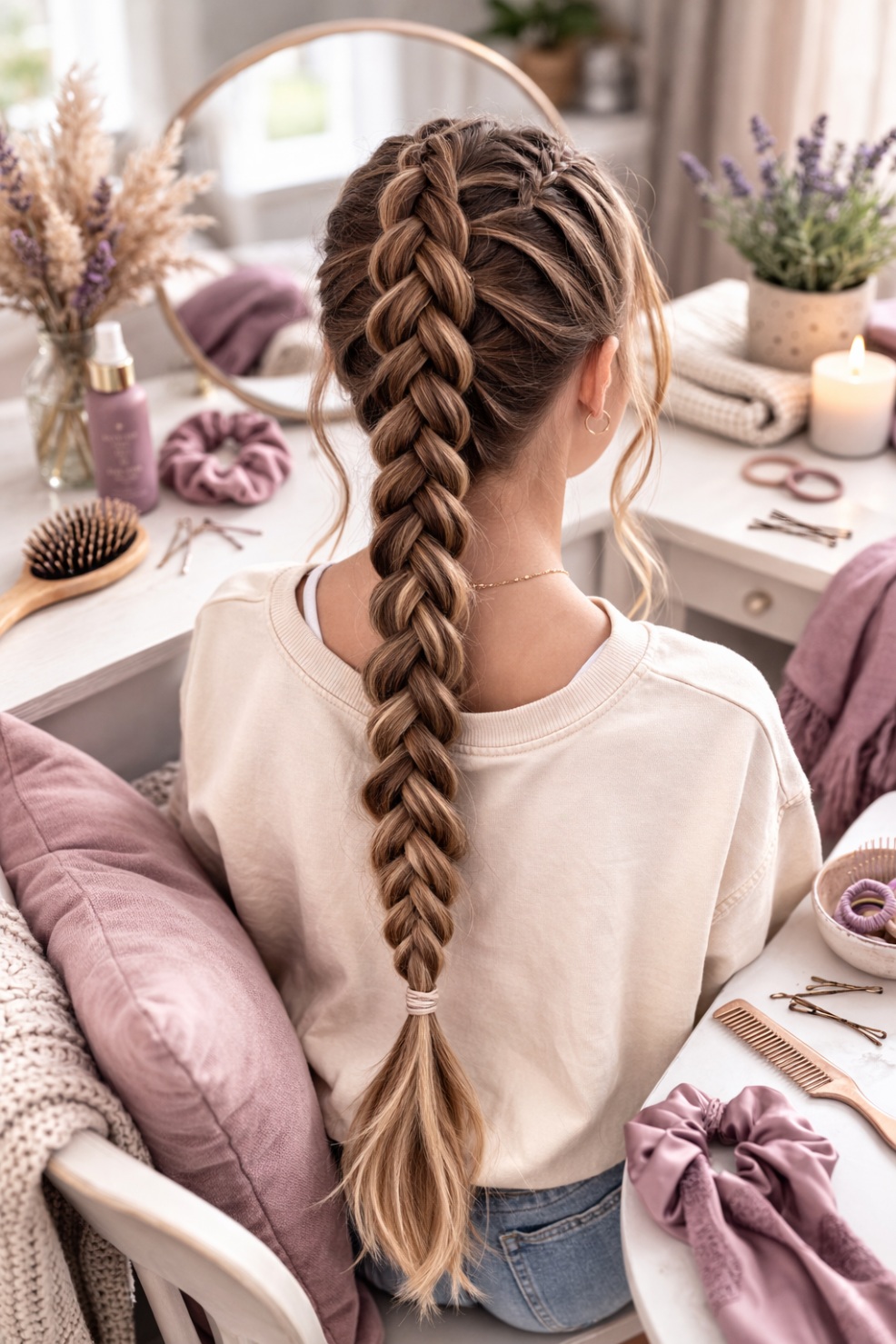
Ways to Wear Dutch Braids
Double Dutch Braids
Perfect for school and sport. Practical and secure.
Single Dutch Braid
Polished and simple for everyday wear.
Loosened, Softer Dutch Braids
Gently pull at the edges of the braid to create a fuller, softer look.
Why Dutch Braids Are Perfect for Tweens
At this age, hairstyles matter. They want something that feels cool but not over-the-top.
Dutch braids:
-
Look very on trend
-
Feel smart and put together
-
Stay in place all day
-
Keep hair out of the face
-
Create beautiful waves the next day
They manage to tick both the “mum practicality” box and the “tween approval” box — which is quite rare.
And honestly? There’s something lovely about learning it together. Sitting quietly while you practise. Getting better each time. Laughing when one side goes slightly wrong.
Hair doesn’t have to be perfect to feel special.
Dutch Braid FAQ
Are Dutch braids good for school?
Yes. Dutch braids are ideal for school as they keep hair secure, neat and out of the face all day. They’re especially useful for active days and PE lessons.
Are Dutch braids suitable for gymnastics?
Absolutely. Dutch braids are commonly used for gymnastics competitions because they stay secure and look smart throughout routines.
Is a Dutch braid easier than a French braid?
Dutch braids can feel trickier at first because the strands cross underneath rather than over. However, once you understand the pattern, they become just as manageable.
How long does a Dutch braid last?
With firm braiding, Dutch braids can last all day and often into the next day. When removed, they leave soft waves in the hair.