
End the “Bounce Back” Era: One in Four Gen Z Mums Say Body Image Impacts Bonding With Baby
A new UK survey from Emma’s Diary reveals that body image pressures are significantly affecting new mums, particularly those under 30. With many reporting anxiety, low confidence and unrealistic expectations around post-baby recovery, experts are calling for a shift away from “bounce back” culture towards more supportive and realistic postpartum care.
How Does Body Image Affect New Mums After Birth?
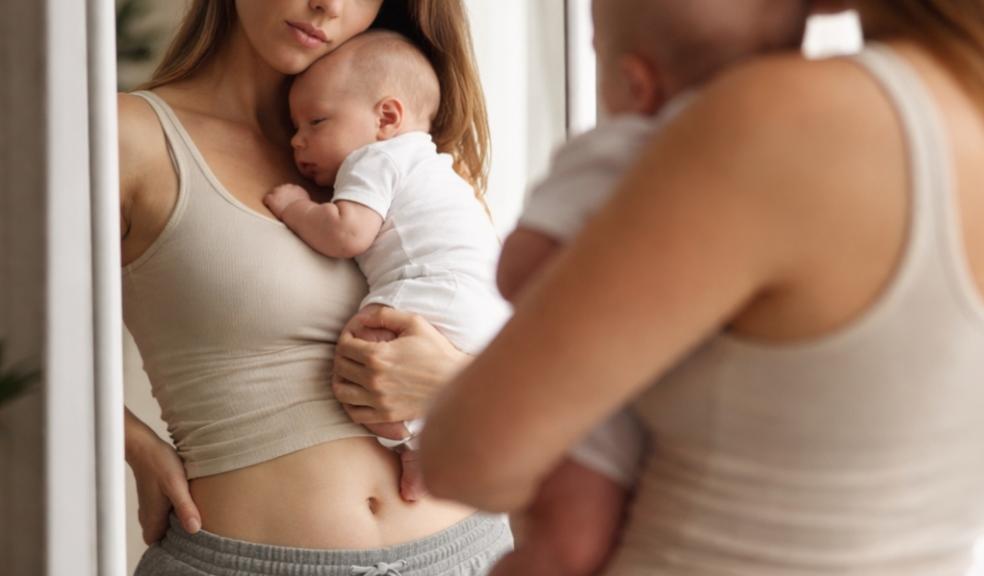
Body image pressures after birth can affect a mum’s confidence, emotional wellbeing and even bonding with her baby. Research shows that unrealistic expectations around “bouncing back” can lead to anxiety, comparison and feelings of inadequacy, particularly among younger mothers influenced by social media.
New survey reveals under-30s feel the greatest pressure to regain their pre-baby body, with experts warning unrealistic expectations are undermining new mums’ confidence.
More than a quarter (26%) of Gen Z mothers say body image worries have affected their confidence in parenting or bonding with their baby, and 34% struggle with their post baby body ‘most days,’ compared to 29% Millennials.
6 out of 10 (63%) said images or conversations on social media made them feel anxious, inadequate, or ashamed about their postpartum body.
These results, found in a new national survey* from leading pregnancy and parenting resource, Emma’s Diary, highlights how younger mums are feeling the strain more severely, underlining the need for society to rethink how women are supported through postnatal recovery.
Why Are Gen Z Mums Feeling More Pressure After Birth?
Midwives say this disconnect between expectation and reality is deeply concerning.
Member of Emma’s Diary Medical Board, and Midwife, Clare O’Brien comments:
“As a midwife I believe that postnatal recovery is underestimated and deeply misunderstood. It is often portrayed as how quickly you can ‘bounce back’ to your pre-baby body. Pregnancy, childbirth and becoming a mother is one of the most transformative experiences of a woman’s life. It is important we focus not only on true recovery in all these areas, but also on allowing space and time for rediscovery of who we are in this new chapter of our lives.”
Gen Z Mums Feeling the Most Pressure
While postpartum body pressure affects mothers across all age groups, younger mums are experiencing it more intensely, and in ways that impact confidence and wellbeing:
-
73% of Gen Z (under 30 years old) feel some or a lot of pressure to “get back to their old self” soon after birth, compared to 61% of millennials (30+).
-
26% of Gen Z report that body image has affected their confidence in parenting or bonding with their baby, versus 20% of millennials.
-
53% of Gen Z tried to accelerate physical recovery through restrictive diets or early exercise, compared to 47% of millennials. Of these, 18% of Gen Z’s also admitted to doing this “all the time”, compared to 12% millennials.
These behaviours reflect a culture that equates fast physical recovery with success in motherhood, rather than recognising the wider emotional, hormonal, and practical challenges new mums face.
How Does Social Media Influence Postpartum Body Image?
Social media plays a major role in shaping post-baby pressures, creating a constant comparison environment. From highly curated Instagram feeds to the rapid body transformations often spotlighted in popular reality shows such as Love Island and Keeping Up with the Kardashians, many mothers report feeling surrounded by unrealistic ideals during a period that should prioritise recovery.
Both younger and older mothers describe social media as fast, pressured, and unrealistic (84% Gen Z and 90% millennials), and only 12% overall found it honest, supportive and empowering.
Why This Matters Now for New Mums
With younger mothers navigating early parenthood in an era dominated by social media comparison and shrinking support networks, 34% of mums under 30 say they struggle with this ‘most days’.
The survey also revealed that over 90% of Gen Z felt at least ‘a little’ pressure to get back to their old self after birth compared to 88% millennials, with over a third (35%) feeling ‘a lot’ of pressure.
6 out of 10 (60%) all agreed that this pressure came from their own personal expectations, social media, celebrities and influencers.
Experts warn the psychological impact of unrealistic recovery expectations cannot be ignored.
Clare continues:
This survey clearly shows us that postnatal body image is generally negative, with 70% of women surveyed saying they have struggled with their post baby body at least ‘occasionally’. When we look at women’s expectations before they have a baby versus the reality they are faced with, over 50% of women under 30 said that their postnatal body was ‘different’ or ‘very different’ to what they were expecting. This clearly shows us that many women have an unrealistic expectation of their postnatal bodies and recovery.
“With such a negative picture of postnatal body image, I think it’s important to try to unpick why this might be the case. Over a third cited themselves and a quarter cited social media. However, I think it’s important to recognise that pressure coming from ‘ourselves’ is heavily influenced by the society we live in.
Whilst this pressure might feel intrinsic, it is actually shaped by the world around us, the people in it and what we are exposed to, including social media and the media more broadly. This survey clearly highlights the need for a societal shift away from the ‘bounce back’ culture to something that focuses on a realistic idea of recovery and its timelines.”
Faye Mingo, Chief Growth Officer at Emma’s Diary, adds:
"These results really bring to light the pressures new mothers face to meet unrealistic postpartum body expectations. At Emma’s Diary, we understand the challenges today’s new parents experience, and we’re committed to providing honest, practical, and supportive guidance.
“Recovery isn’t about meeting impossible standards, it’s about health, wellbeing, and celebrating what your body has achieved. Through our advice, resources, and community, including initiatives like our recently launched honest YouTube parenting series, ‘The Village’, we’re here to support new parents every step of the way."
A Shift Away From “Bounce Back” Culture
As the UK’s leading pregnancy and parenting resource, Emma’s Diary continues to support mums-to-be and new parents through every stage of pregnancy, birth, and early parenthood.
With over 35 years’ experience, Emma’s Diary provides expert-backed guidance, practical tools and advice to help parents make informed decisions and feel both confident and supported throughout their journey.
Through initiatives like its recently launched YouTube chat series ‘The Village’, Emma’s Diary offers honest, real-life advice, reassurance and connection for today’s parents.
FAQs
What is “bounce back” culture after pregnancy?
“Bounce back” culture refers to the pressure on new mums to quickly return to their pre-baby body, often ignoring the realities of postnatal recovery.
How does body image affect bonding with a baby?
Low confidence and negative body image can impact a mum’s emotional wellbeing, which may affect how she feels about parenting and bonding with her baby.
Why are younger mums more affected?
Younger mums are often more exposed to social media comparison and unrealistic expectations, which can increase pressure and feelings of inadequacy.