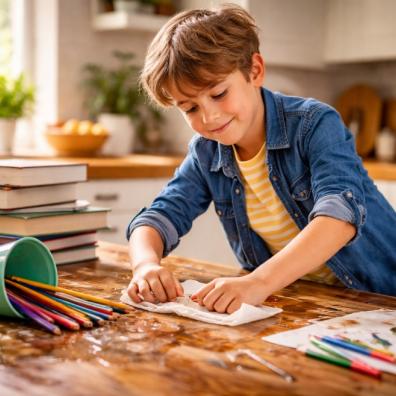
Letting children make mistakes plays a crucial role in their development, helping them build resilience, confidence and independent thinking. Rather than preventing failure, giving children space to learn from their experiences can support long-term emotional and academic growth.
Why Is It Important to Let Children Make Mistakes?
Allowing children to make mistakes helps them develop...
Children experience a wide range of emotions from a very young age, from joy and excitement to frustration and sadness. However, many children struggle to express their feelings in ways that are constructive and safe. Encouraging healthy emotional expression is essential for their mental wellbeing, social skills, and overall development.
Family traditions are more than just routines or celebrations; they are the threads that weave the fabric of family life , creating a sense of belonging that resonates across generations. Whether it’s a weekly Sunday roast, a yearly holiday, or a simple bedtime ritual, these shared experiences foster connection, identity, and security for every family member.
Encouraging independence in children is a crucial part of their development. Independent children tend to be more confident, resilient, and capable of making thoughtful decisions as they grow. While every child develops at their own pace, there are practical strategies parents and caregivers can use to foster self-reliance from an early age.
In today’s digital age, screens are everywhere. From tablets and smartphones to televisions and computers, children are exposed to technology from a very young age. While screens can offer educational content and entertainment, spending too much time in front of them can have unintended consequences. Encouraging screen-free time is more than just a break from technology — it provides a wealth...
Academic failure can feel overwhelming for both children and parents, especially when emotions run high and confidence takes a knock. Offering calm, realistic parenting advice at these moments can make a huge difference. Whether it’s poor exam results, struggling with a particular subject, or a dip in confidence at school, setbacks are a natural part of learning. With the right support, these...
When it comes to fostering effective learning in children, there is a delicate balance between providing guidance and allowing independence. Over-structuring can unintentionally limit creativity, problem-solving, and self-motivation. By adopting a more flexible approach, parents and educators can encourage children to take ownership of their learning while still offering essential support....
A child’s confidence is often shaped long before they step into a classroom or join a sports team. One of the most significant influences on a child’s self-esteem is the way parents communicate with them. Positive, supportive communication can help children develop a strong sense of self-worth, while negative or inconsistent communication may undermine their confidence.
In today’s world, children are growing up surrounded by screens , social media, and instant information. While technology offers incredible learning opportunities, it also presents unique challenges for developing critical thinking skills. Raising thoughtful thinkers in a digital age requires a balance between embracing technology and encouraging reflection, curiosity, and independent thought...
Problem-solving is an essential skill that children need to navigate challenges, make decisions, and build confidence. Encouraging children to think critically and approach problems creatively not only supports their academic growth but also equips them for real-life situations. Here’s how parents and educators can help children develop strong problem-solving abilities.