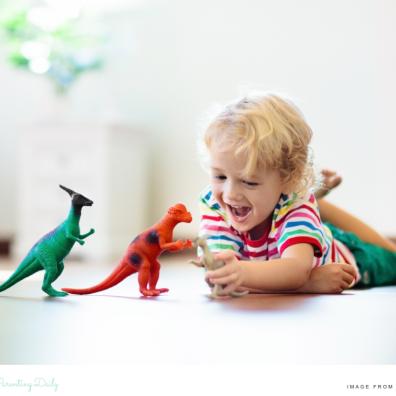
Long before your toddler says a real sentence, she's probably already mooing at the cows in her picture book and barking back at the neighbor's dog. That noisy little habit is doing more for her than it looks like. Animal sounds are often a toddler's very first attempts at real communication.
These vocalizations function as a developmental bridge toward structured speech....
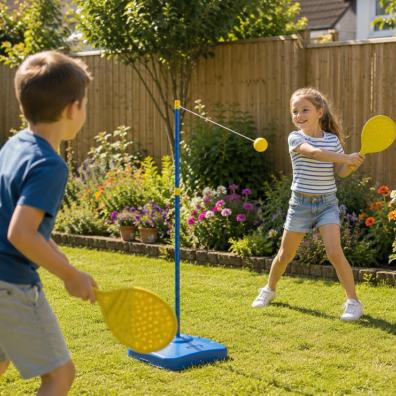
When my children were younger, I always imagined we'd spend hours in the garden together. I pictured muddy knees, games of hide-and-seek, family picnics, and those long summer evenings where no one wanted to come inside.
The reality, though, looked a little different.
I spent most of my time reminding someone to be careful, asking them not to wander too far, or keeping one...
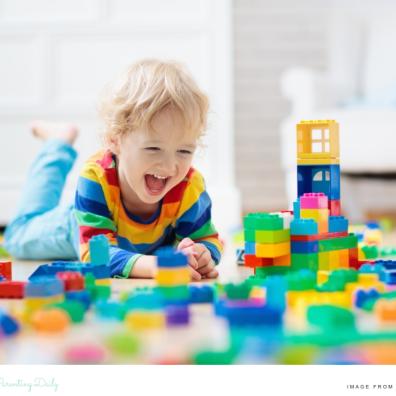
Long before your child can speak in full sentences, they’re already learning from the world around them. Colour is one of their first teachers. From the toys they reach for to the rooms they play in, the hues surrounding your little one shape how they think, feel and grow. Here’s why colour in child development deserves more attention in your child’s everyday environment than you might think...
Asking questions is a key part of how children learn, helping them develop critical thinking, communication skills and deeper understanding. Encouraging curiosity allows children to become more confident, engaged and independent learners.
Why Is Asking Questions Important for Children’s Learning?
Asking questions helps children learn more effectively by encouraging active thinking,...
Allowing children to follow their passions helps build confidence, motivation and emotional wellbeing. When children explore what genuinely interests them, they develop independence, resilience and a lifelong love of learning.
Why Is It Important for Children to Follow Their Passions?
Letting children follow their passions helps them build confidence, develop intrinsic motivation and...
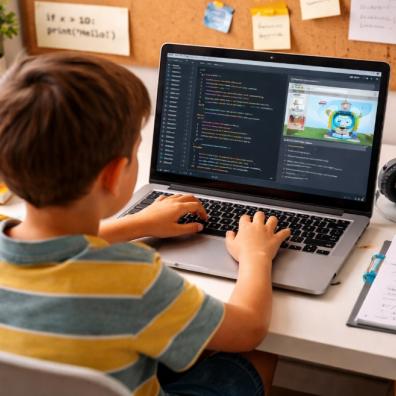
Letting children explore new hobbies helps build confidence, creativity and independence. By giving children the freedom to try different activities, parents can support their natural curiosity and encourage a lifelong love of learning.
Why Is It Important for Children to Try New Hobbies?
Trying new hobbies helps children develop confidence, independence and problem-solving skills....
Letting children make mistakes plays a crucial role in their development, helping them build resilience, confidence and independent thinking. Rather than preventing failure, giving children space to learn from their experiences can support long-term emotional and academic growth.
Why Is It Important to Let Children Make Mistakes?
Allowing children to make mistakes helps them develop...
Children experience a wide range of emotions from a very young age, from joy and excitement to frustration and sadness. However, many children struggle to express their feelings in ways that are constructive and safe. Encouraging healthy emotional expression is essential for their mental wellbeing, social skills, and overall development.
Family traditions are more than just routines or celebrations; they are the threads that weave the fabric of family life , creating a sense of belonging that resonates across generations. Whether it’s a weekly Sunday roast, a yearly holiday, or a simple bedtime ritual, these shared experiences foster connection, identity, and security for every family member.
Encouraging independence in children is a crucial part of their development. Independent children tend to be more confident, resilient, and capable of making thoughtful decisions as they grow. While every child develops at their own pace, there are practical strategies parents and caregivers can use to foster self-reliance from an early age.