

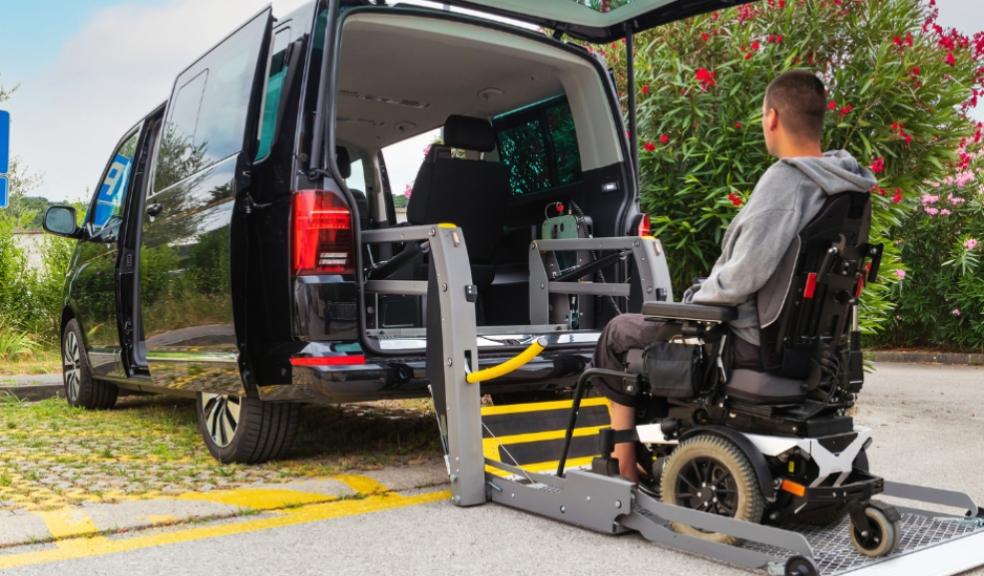
Family Travels Made Easier with Accessible Vehicle Options
Planning a family holiday takes careful thought when travelling with a wheelchair user. From choosing suitable accommodation to finding restaurants that cater to everyone's needs, each detail matters - and transport often presents the biggest challenge. While some families opt for adapting their own vehicles, hiring a wheelchair-accessible vehicle can provide a practical solution for those special trips away.
The range of hire options has grown substantially across the UK, with vehicles now available to suit different wheelchair sizes and family configurations. Whether it's a weekend break to the coast or a fortnight touring the countryside, rental companies offer everything from compact vehicles to larger models that accommodate the whole family plus mobility equipment.
Why Accessible Transport Matters for Family Life
Nearly 14 million people in the UK live with disabilities, according to Office for National Statistics data, with approximately 1.2 million of these being children. For families with mobility-challenged children, transportation remains one of the most significant barriers to maintaining an active family life.
Research from the Disabled Children's Partnership shows that 41% of families with disabled children report missing essential medical appointments due to transport difficulties. Beyond medical necessities, limited transportation options severely restrict participation in everyday activities other families take for granted - from attending birthday parties to family gatherings and school events.
Children excluded from family outings due to mobility constraints face increased risk of social isolation. A 2022 study published in the British Journal of Health Psychology found that children with mobility impairments who regularly participated in family activities showed significantly higher scores in psychological wellbeing measures compared to those whose mobility restrictions limited their involvement.
Parents frequently report struggling with practical transportation challenges when caring for mobility-challenged children. Common issues include safely transferring children between wheelchairs and vehicle seats, accommodating additional equipment such as feeding tubes or ventilators, and managing the physical strain of lifting growing children without appropriate vehicle adaptations.
Temporary vs. Permanent Accessible Vehicle Solutions
From a financial perspective, the average cost of purchasing a new wheelchair-accessible vehicle starts around £20,000, with converted models reaching £45,000 or more. In contrast, weekly hire rates typically range from £350 to £600 depending on vehicle size and features. For families who need accessible transport primarily during school holidays or for occasional trips, this represents significant savings when compared to financing, insurance, maintenance and depreciation costs of ownership.
The flexibility of hire services particularly benefits families whose mobility requirements evolve over time. As children grow or their mobility needs change after surgeries or treatments, different vehicle configurations may become necessary. Hire services allow families to select the most appropriate vehicle for each specific situation rather than committing to a permanent solution that may become unsuitable.
Modern hire fleets accommodate diverse family configurations, from small vehicles with space for four passengers plus one wheelchair user to larger minibuses that can transport extended family members alongside multiple wheelchairs and associated equipment.
When Hiring Makes Sense for Your Family
School holidays present ideal opportunities for wheelchair accessible vehicle hire. Many families report that having appropriate transport during these periods allows them to plan trips that include all family members rather than limiting activities to those accessible by public transport. This becomes especially useful during summer holidays when families might want to explore more remote destinations not well-served by accessible public transportation.
The waiting period for permanent vehicle adaptations often stretches to several months. During this time, hiring provides a practical interim solution so family life can continue uninterrupted. This prevents children from missing school events, family celebrations or planned holidays while waiting for their permanent transportation solution.
Families managing complex medical appointments across different hospital locations find hiring especially beneficial. A family from Manchester whose child receives specialist treatment in London reported saving significant stress by hiring an accessible vehicle for these journeys rather than navigating train transfers with mobility equipment and medical supplies.
When permanent accessible vehicles require maintenance or repairs, hire services prevent families from becoming housebound. This continuity proves particularly important for children who need regular physiotherapy appointments or attend special schools where transport disruptions could impact educational progress.
Finding the Right Accessible Vehicle for Family Use
Wheelchair accessible vehicles come in various categories designed to accommodate different needs. Small WAVs typically accommodate one wheelchair user plus up to four seated passengers, making them suitable for nuclear families with one wheelchair user. These vehicles, often converted from cars like the Volkswagen Caddy, provide good fuel economy and fit standard parking spaces.
Medium WAVs offer additional interior space, accommodating one wheelchair user plus five or six passengers. These vehicles frequently feature lowered floors and ramp access systems, making them practical for families with growing children or those needing to transport additional mobility equipment alongside the wheelchair.
Large WAVs provide maximum space for families needing to transport multiple wheelchair users or extensive equipment. These vehicles can accommodate up to seven seated passengers plus one or two wheelchair users, making them ideal for extended family outings or families with multiple children using mobility aids.
Parents selecting a hire vehicle should prioritise specific features that enhance comfort and safety. Fully lowered floors reduce ramp steepness, making entry and exit less strenuous. Climate control systems help maintain comfortable temperatures for children with conditions that affect temperature regulation. Proper restraint systems specifically designed for the wheelchair type being transported ensure maximum safety during journeys.
Space assessment requires careful measurement beyond simply fitting the wheelchair. Families need to calculate room for the wheelchair user plus any essential equipment such as ventilators, suction machines, or communication devices. Additional space for siblings, parents and everyday items like changing bags, food supplies and entertainment must also be factored in.
Safety considerations differ when transporting children with mobility challenges. Parents should verify that vehicles feature appropriate wheelchair restraint systems and occupant restraints designed for children with special needs. Vehicles with extra headroom accommodate taller wheelchair-seated passengers comfortably, while those with good suspension systems minimise discomfort for passengers with sensory sensitivities or pain conditions.
Experts from Allied Mobility note that wheelchair-accessible vehicle hire allows families to test vehicles before committing to hire. This practical approach helps determine whether ramps are manageable for specific wheelchairs, if doorways provide sufficient clearance, and whether the interior layout works for the family's particular needs - considerations difficult to assess from specifications alone.
Planning Family Trips with Hired Accessible Vehicles
Preparing children with mobility needs for travel requires thoughtful planning, particularly for those who find changes to routine challenging. Creating visual schedules with photographs of the hire vehicle helps familiarise children with the new transport before the journey begins. Practising wheelchair transfers using similar techniques to those needed for the hired vehicle reduces anxiety on travel day.
Comprehensive equipment checklists prove essential for successful trips. Beyond the obvious wheelchair and restraints, families should document all required medications, charging equipment for powered wheelchairs, transfer aids, and communication devices. Parents report that separating items into clearly labelled bags - medical supplies, personal care items, entertainment - streamlines the packing process and prevents essential items being forgotten.
Journey planning requires additional consideration when travelling with wheelchair users. Routes need identifying with suitable stopping points that offer accessible toilets and changing facilities. The Changing Places online map helps locate fully accessible facilities throughout the UK. Building extra time into journeys accommodates unexpected delays and reduces stress for the entire family.
Proper wheelchair securement significantly impacts safety and comfort. Children must be positioned appropriately with their wheelchair secured using the vehicle's restraint system according to manufacturer guidelines. Powered wheelchairs typically require battery isolation during transport, and loose items must be properly stored to prevent movement during travel. Parents should request demonstrations of all equipment.