

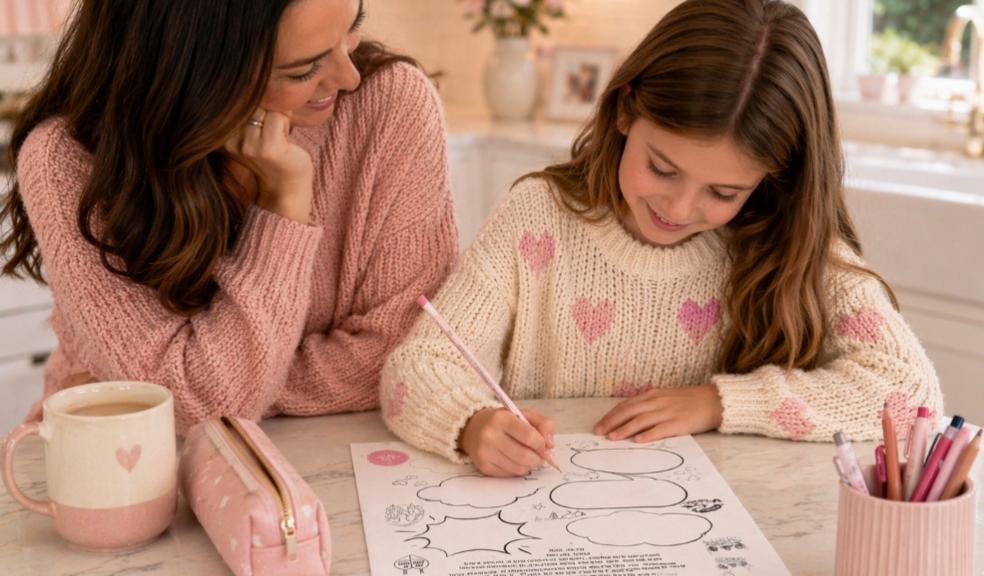
Helping Tween Girls Navigate Friendship Troubles (And Why It Matters)
Friendships in the tween years can be joyful, intense — and let’s be honest — sometimes a little dramatic.
If your 8–12-year-old is struggling with friendships, you’re not alone. These years are when children begin to understand relationships, emotions, and their own identity — and it can feel overwhelming for them and for us as parents.
If you’ve got an 8–12-year-old daughter, you’ve probably seen it all: the best friend bracelets one day, followed by “I’m never talking to her again!” the next. It’s totally normal, but that doesn’t mean it’s easy.
I’ve been there too — comforting my daughter after a falling out, helping her find the words when she’s been left out, and quietly wondering how much to step in. That’s exactly what inspired me to create this toolkit.
Why Friendship Struggles Are So Common in Tweens
Between the ages of 8 and 12, kids start figuring out who they are and what kind of people they want around them. But with all the emotions, hormones, school changes, and growing independence, friendships can become quite bumpy. Even the kindest, most thoughtful children go through rough patches socially — and that’s okay.
For many tweens, these friendship wobbles can really knock their confidence. They may begin to doubt themselves, feel anxious, or stop doing things they enjoy. That’s why I’m such a big believer in gently helping them work through these situations, rather than trying to fix everything for them.

Why I Created the Tween Friendship Troubles Toolkit
Talking to our kids about friendship drama isn’t always easy. Sometimes they clam up. Sometimes they don’t even know how to explain what they’re feeling. That’s where I’ve found gentle, creative activities to be a real game-changer.
I put together the Tween Friendship Troubles Toolkit to give girls aged 8–12 a safe and fun way to explore their thoughts and feelings about friendship. It’s not preachy or overly structured — it’s full of doodle spaces, journaling prompts, colouring opportunities, and little reminders that they are enough, just as they are.
Inside You’ll Find
- Journaling pages to help them reflect on how they feel in different social situations
- Creative prompts that explore what being a good friend really means
- Affirmation cards to build confidence and self-worth
- A kindness checklist and feel-good activities
- Simple conversation starters and friendship “scripts” to try out
It’s designed to be used independently or together — whatever works best for your child.
Why It Helps
Giving tweens the space to reflect, colour, and write can help them:
- Understand their own emotions
- Feel more in control of tricky friendship situations
- Grow in confidence and resilience
- Realise that friendship challenges are something everyone goes through
It’s not about being the “perfect friend” or having a huge circle. It’s about knowing their worth, setting healthy boundaries, and feeling empowered to speak up kindly and clearly.
Ready to Support Your Tween’s Social & Emotional Growth?
You can check out the full toolkit here: Tween Friendship Toolkit and print it out instantly. Use it during quiet one-to-one chats, pop it in their bag for some downtime, or leave it out on the table for them to explore on their own.
Because even when things feel tricky, your child isn’t failing. They’re learning. And you’re right there beside them.
This toolkit was created by a fellow mum, inspired by real friendship ups and downs, and the wish to help our girls grow strong, kind, and confident — in friendship and beyond.
Frequently Asked Questions About Tween Friendships
Why are friendships so intense in the tween years?
Tweens are developing their identity, emotional awareness, and social skills all at once. This can make friendships feel more intense, important, and sometimes overwhelming.
How can I help my child with friendship problems?
Listening, validating their feelings, and gently guiding them through situations helps more than trying to fix everything for them.
What are signs my child is struggling socially?
Signs can include anxiety about school, changes in mood, loss of confidence, or withdrawing from activities they used to enjoy.
How can activities like journaling help with friendship struggles?
Journaling and creative prompts help children process emotions, reflect on situations, and build confidence in a safe, pressure-free way.