
How to Encourage Children to Be Creative at Home
Creativity is one of those qualities that sounds wonderful in theory and can feel surprisingly difficult to foster in practice.
Encouraging creativity at home does not require expensive resources — it comes from giving children time, space, and permission to explore, imagine, and create freely.
Between the demands of school, screen time, after-school activities, and the general busyness of family life, genuinely creative play can become rare.
The good news is that encouraging creativity does not require expensive materials or elaborate planning. It requires something simpler: permission. Permission to make a mess. Permission to try things that might not work. Permission to spend an afternoon doing something with no obvious productive outcome.
Here are ten approaches that genuinely make a difference.
1. Create a "Making Corner"
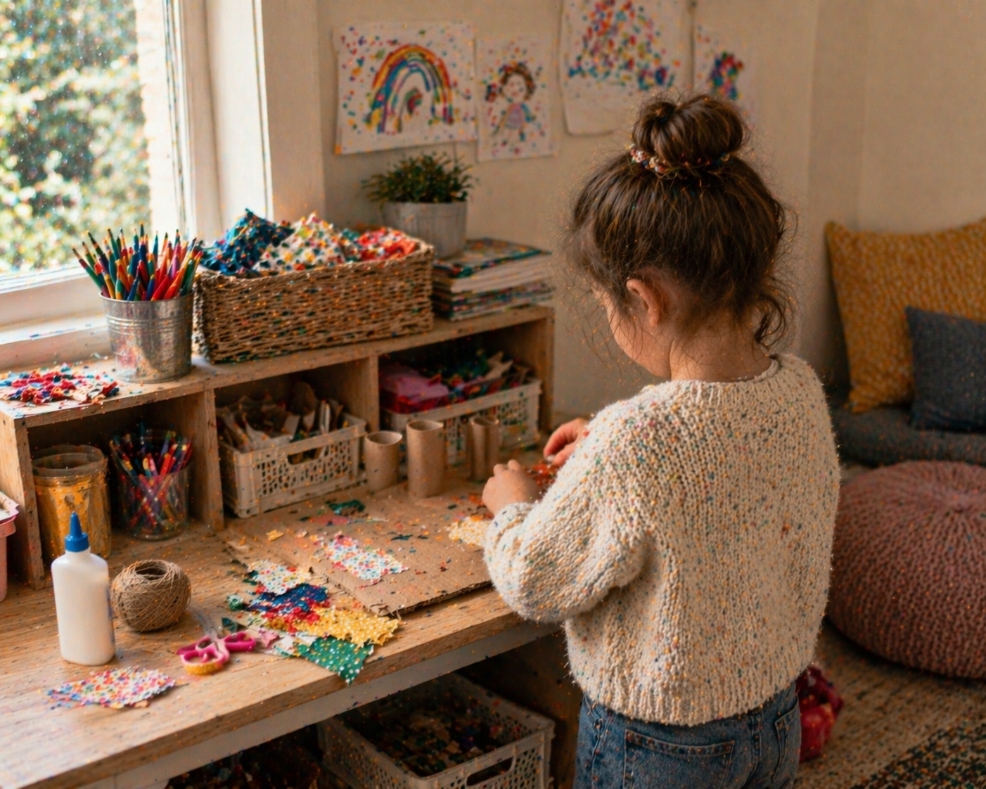
A small space stocked with cardboard, glue, tape, fabric scraps, and string gives children a standing invitation to make things. The materials do not need to be fancy. The invitation does.
2. Ask "What if?" Questions
Creativity thrives on speculation. Ask your child: "What if our house could fly?" or "What if you could redesign your school?" There are no right answers. The point is the thinking.
3. Give Them Unstructured Time
Children need boredom. It is often the precursor to creativity. Resist the urge to fill every hour with planned activities. Some of the most imaginative play happens when children have time they do not know what to do with.
4. Read Widely and Talk About Stories
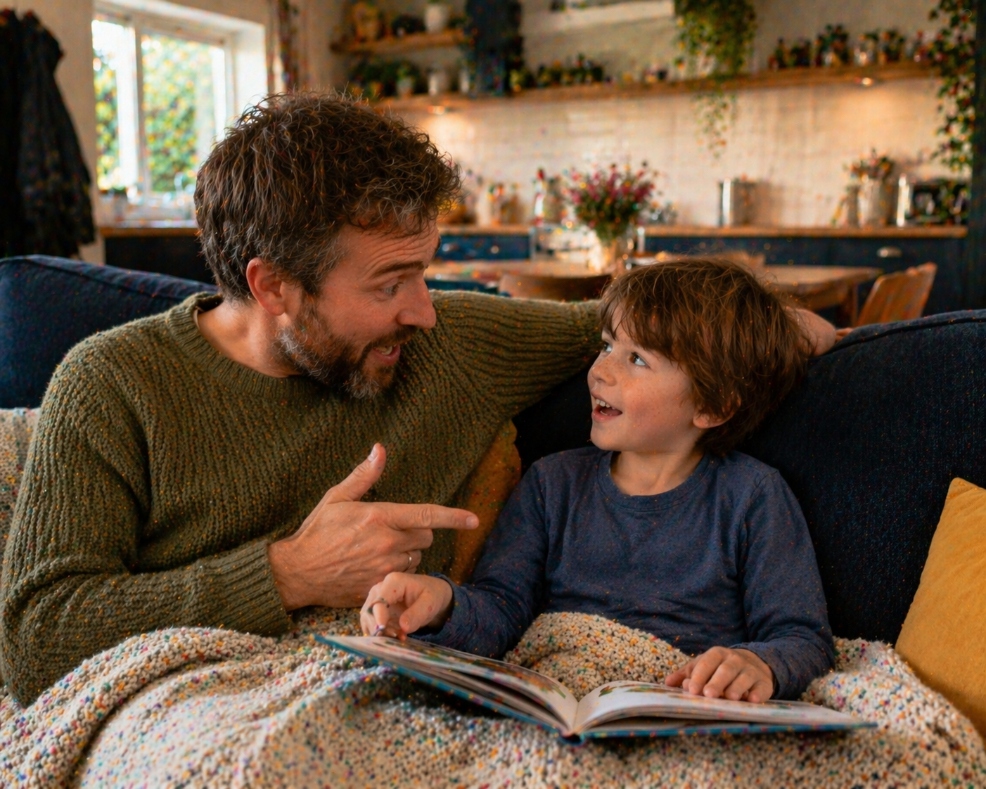
Books open up imaginative worlds, but discussing them opens them further. Ask your child how a story could have ended differently, who their favourite character was, and why.
5. Embrace Mistakes
If a drawing does not turn out as planned, or a model collapses, resist the impulse to fix it. Encourage your child to see what they might do with the result instead. Creative thinking is closely connected to resilience.
6. Make Music Together
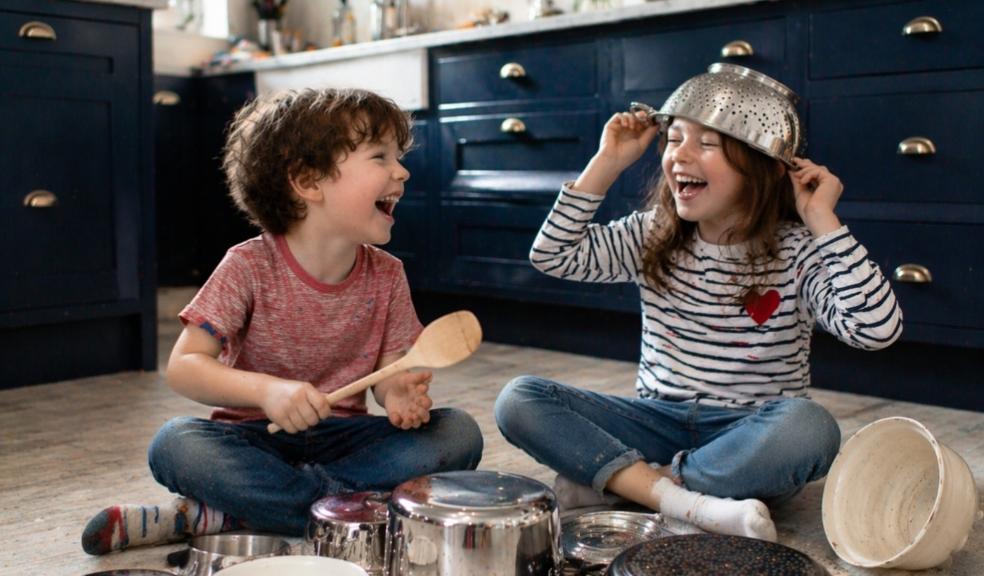
You do not need to be musical. Drumming on pots and pans, inventing songs about your day, or exploring an instrument together without instruction cultivates a relationship with sound and expression that goes well beyond performance.
7. Spend Time in Nature
Natural environments are rich in sensory stimulation and open-ended possibilities. Collecting leaves, building dens, observing insects, or simply sitting quietly outdoors exercises the imagination in ways that screens cannot replicate.
8. Explore Art Without an Outcome in Mind
Rather than following a craft template, offer your child paint, chalk, or clay and let them lead. Ask what they are making rather than telling them what to make. Process matters more than product.
9. Tell Stories Together
Take turns adding to a story, one sentence at a time. It is amusing, unpredictable, and develops narrative thinking in a way that feels like play rather than practice.
10. Value What They Create
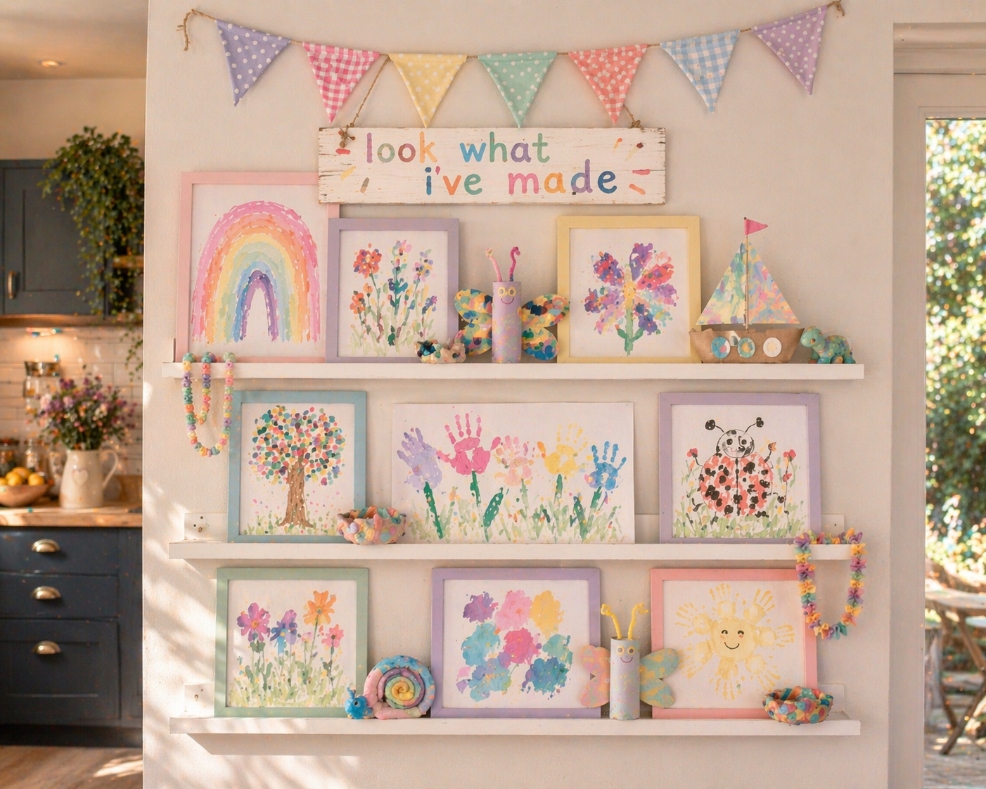
Display their work. Talk about it. Ask questions. The greatest creative encouragement a child can receive is the knowledge that the things they make matter to the people they love.
 Schools that nurture creative thinking from the very start tend to produce children who approach challenges with confidence and curiosity. Finding a nurturing prep school in Kew such as Unicorn School places creativity and joy at the heart of learning for children aged three to eleven, building the kind of well-rounded foundation that lasts a lifetime. Find out more at https://unicornschool.org.uk/
Frequently Asked Questions About Encouraging Creativity in Children
How can I encourage my child to be more creative at home?
Encourage creativity by giving children time, space, and freedom to explore. Simple activities like drawing, storytelling, and imaginative play can make a big difference.
Do children need structured activities to be creative?
No. Unstructured time is often more valuable for creativity, allowing children to explore ideas without pressure or expectations.
What are simple creative activities for children?
Activities like drawing, building with everyday materials, storytelling, music, and outdoor play all support creative development.
Why is creativity important for children?
Creativity helps children develop problem-solving skills, resilience, confidence, and the ability to think independently.
About the Author
This article was written in partnership with Unicorn School, a co-educational independent preparatory school in Kew, Richmond, Surrey. Unicorn School welcomes children aged three to eleven and is known for its warm community, small class sizes, and broad, nurturing approach to education, set in a beautiful Victorian villa opposite Kew Gardens.