

Helping Children Connect with History on Family Days Out
History comes alive for children when they can touch, see, and experience it firsthand. They offer real-life learning that children may not find in classrooms or from books.
For parents across the UK, planning educational yet enjoyable outings can be challenging. The good news is that Britain's rich heritage offers countless options for families to visit together, from ancient abbeys to royal palaces, each with stories that can capture young imaginations.
Children often remember more when they can take part in interactive activities during their visit. Many heritage sites now offer hands-on experiences and trails designed for families.
Making History Come Alive for Different Age Groups
Children connect with history differently based on their age and development stage. For younger children aged 4-7, history is often easiest to grasp through stories and simple hands-on activities, and browsing age-appropriate learning ideas can help parents tailor these experiences.
Children aged 8-12 begin to understand timelines and can enjoy guided tours that explain how people lived. Westminster Abbey guided tours can be adapted for this age group, with guides tailoring information to suit their understanding.
Teenagers may relate to social history and the stories of individuals. They can appreciate deeper discussions about historical events and their impact on current society.
When planning historical outings, parents should consider children's attention spans and interests.
Pre-Visit Preparation That Sparks Curiosity
Preparing children before visiting historical sites can improve their engagement and interest. For families heading to Westminster Abbey, age-appropriate books with illustrations can help set the scene for primary school children, especially when combined with guided pre-visit activities for kids.
Creating simple timelines helps children place historical sites in context. Parents can draw basic timelines showing when famous buildings were constructed or when important events happened. This visual aid helps children see that history happened in a sequence, not all at once.
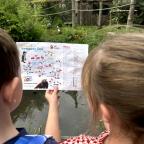
Involving children in planning which parts of a site to visit gives them ownership of the experience. Parents can show children maps or websites of historical places and ask what interests them most.
For younger children, a shorter visit might be enough, while older children might manage a longer outing with proper breaks.
Interactive Learning Approaches at Historical Sites
Parents can prepare open-ended questions that encourage children to think about what they see. Questions such as "How do you think people cooked food here?" prompt children to use their imagination and reasoning skills.
Scavenger hunts transform historical visits into exciting adventures. Parents can create simple lists of items for children to spot, such as shields, crowns, or specific architectural features. Many historical sites offer family-friendly trails that guide children through key points of interest, and families who want a more focused experience can discover Westminster Abbey on a private tour.
Audio guides aimed at families deliver stories and facts suited to children in an engaging tone. Many sites have these available at entry, and using them gives children a sense of independence.
Hands-On History Activities That Work
Drawing and sketching activities encourage children to slow down and pay closer attention. When sketching stained glass, carvings, or decorative stonework, children notice shapes, patterns, and details they might usually overlook.
Using an "I Spy" game focused on historical elements adds structure and excitement, especially for young children.
Creating rubbings of historic textures or inscriptions lets children interact physically with their environment. Placing paper over tiles or memorial brasses and using the side of a crayon produces unique impressions.
Setting a photography challenge, particularly for older children or teenagers, lets them document their own point of view. A goal such as "take three pictures of something you have never seen before" directs attention and opens discussion later.
Connecting Historical Sites to Modern Life
Showing children specific links between historical events and daily routines helps them see why history still matters. For instance, learning how laws and elections developed at sites like the Houses of Parliament gives them a clearer sense of why the UK holds elections today, and parents who want to deepen the experience can explore age-appropriate approaches to understanding the past.
Drawing comparisons between historical figures and present-day life makes the past relatable. Children might compare a medieval king's responsibilities to those of current leaders or consider how a Victorian child's education differs from their own.
Discussing how buildings and spaces were used then versus now highlights both change and continuity. Parents can share stories about their own childhood visits to historical sites or how their grandparents' lives differed from today.
Managing Practical Challenges of Heritage Visits
Planning around opening times and busy periods can make the family experience at historical sites smoother. Visiting early in the day or during off-peak seasons often means fewer crowds and more space for children to look around.
Navigating accessibility with pushchairs requires advance planning. Many historical buildings have steps, narrow doorways, or limited lift access. Parents should check accessibility information before visiting and consider using baby carriers for very young children.
Managing hunger, tiredness, and attention spans can help prevent meltdowns during historical visits. Packing snacks, planning regular breaks, and identifying quiet spaces within the site helps maintain energy levels.
A common strategy involves one adult focusing on historical information while another supervises children nearby.
Creating Meaningful Post-Visit Activities
Creative projects inspired by historical sites can extend the learning experience beyond the visit. Children might create artwork based on stained glass patterns, build models of castles or cathedrals, or write stories set in historical periods.
Conversations that build on learning and personal connections help children process their experiences. Parents can ask open-ended questions about what surprised them, what they found most interesting, or what they would like to learn more about.
After visiting Westminster Abbey, families might read books about famous people buried there or watch documentaries about royal ceremonies.
Planning additional visits to related historical locations provides a broader view on history. A visit to Westminster Abbey might lead to interest in the Tower of London, Houses of Parliament, or other royal or religious sites, and families who want to deepen this interest can learn how children engage with history in modern classrooms.
Supporting Lasting Curiosity About History
Creating hands-on opportunities during and after a visit, tailoring activities to different ages and attention spans, and linking the past to everyday life can help build interest in history.
Making visits interactive and relevant to their lives can help encourage a lifelong interest in history and its role in understanding the world today.
Age-Appropriate History Activities
For ages 4-7, focus on storytelling, simple crafts, and sensory experiences like touching replica objects.
Ages 8-12 can benefit from scavenger hunts, junior guide roles, and simple journaling activities. Westminster Abbey guided tours work well for this age group when they include interactive elements and clear connections to topics they might study at school.
Teenagers often respond to photography challenges, debate topics, and social history discussions. Give them some independence during visits and opportunities to connect historical events to current issues they care about.
Family-Friendly Historical Timeline
Creating a visual timeline before visiting historical sites can help children place events in relation to each other. For Westminster Abbey visits, mark the original building date (960s), major rebuilding (1245), and important ceremonies like coronations. Include family birthdays on the same timeline to help children understand historical perspective, and encourage them to create a simple historical timeline to see how different events connect.
Use different colours for different types of events, such as building construction, famous people, and major historical changes. This visual approach can make abstract time concepts more concrete for young minds.
What to Pack for Historical Site Visits with Children
Essential items include water bottles, healthy snacks, comfortable shoes, and weather-appropriate clothing.
Activity supplies such as a small sketchbook, coloured pencils, and a simple camera help children engage with what they see. Consider bringing a magnifying glass for examining details on carvings or decorative elements.
Comfort items like a small cushion for sitting during stories or a favourite small toy can make the experience more enjoyable.
Family history outings work best when they feel meaningful, engaging, and personal. When children touch stories, objects, and places from the past, they gain a deeper sense of how the world was shaped. With the right preparation, hands-on activities, and age-appropriate guidance, families can turn simple visits into lasting learning moments. These shared experiences nurture curiosity and help children carry a stronger connection to history as they grow.