

Managing Distance: Five Ways to Parent Across Borders
Being separated from a child across international borders due to divorce or relocation is an intensely difficult experience. It requires navigating emotional and legal complexities simultaneously and often leaves parents feeling torn between love and practical limitations.
It's possible to build a meaningful, connected relationship with the right structure and support - even when oceans lie between.
The Emotional Strain of Physical Distance
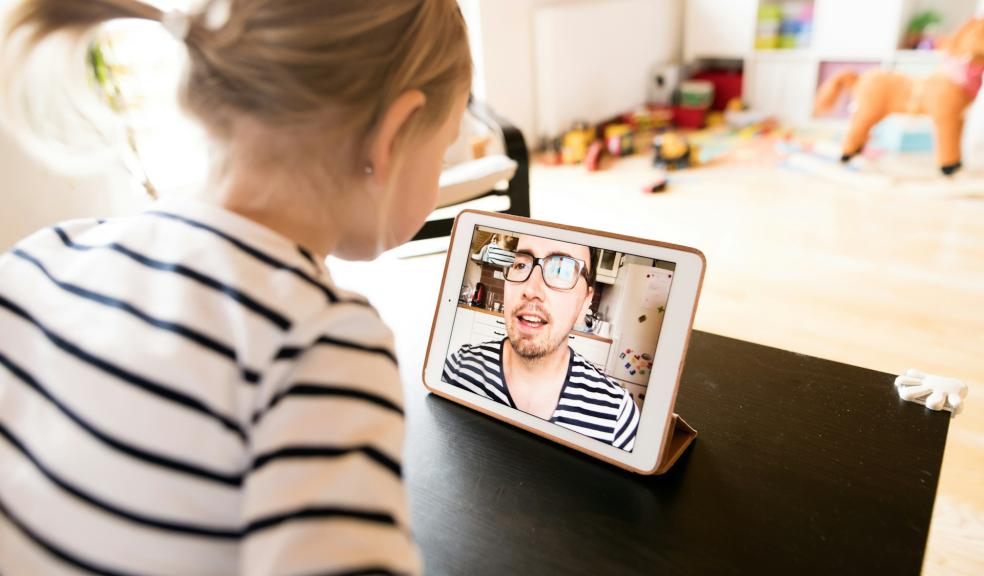
Many parents describe ongoing feelings of guilt and anxiety when they're a long distance from their children, especially when they miss birthdays or the comfort of daily routines. Establishing a strict, predictable communication schedule is key. Daily or near-daily video calls or shared photos help maintain continuity.
Use call time to help your child feel your presence and involvement, even when you're apart, whether that's supporting them with homework or talking about their day. Creating rituals (like a weekly "virtual breakfast") can also strengthen bonds and help you deal with drop-off emotions.
Navigating Complex Jurisdiction and Custody Laws
Cross-border parenting is legally complex. Much of the challenge arises from the fact that child arrangements are governed by the laws of the country where the child resides. Legal frameworks may differ from those in the non-resident parent's country, leading to disputes over travel permissions, access rights, or holiday schedules. Conflicting court orders and difficulty enforcing visitation can further complicate matters. In extreme circumstances, there is a serious risk of international child abduction if a parent relocates a child without consent.
Immediate legal guidance is vital given the high stakes. Cross-border disputes require specialist advice from professionals experienced in conventions such as the Hague Convention, ensuring that any agreements or court orders are legally enforceable in both countries. British parents can seek support from international family law solicitors to protect parental rights and navigate the complexities of multi-jurisdictional arrangements.
Managing Disparity in Financial and Logistical Costs
Maintaining a relationship across borders can be financially demanding. Flights, public transport/taxis, accommodation, and the cost of extended stays add up quickly, and some parents face complications from differing child support systems or inconsistent enforcement across countries.
Planning is crucial. Build an annual budget that allows for at least two to four visits per year. If travelling to the child's country becomes too expensive, consider meeting in a neutral, more affordable third country. Many parents also rely on frequent-flyer strategies and travel hacks to reduce expenses and make visits more achievable.
Overcoming Cultural and Language Barriers
A child's new environment - different schooling systems and sometimes a new language - can be hard for a non-resident parent to understand fully. It may lead to a sense of disconnection or difficulty communicating with teachers and carers.
Close the gap by actively engaging with your child's cultural world. Learn key phrases in their new language or explore local customs together online. Demonstrating curiosity and willingness reinforces to the child that their life abroad matters to you.
Coordinating School Holidays and Travel Logistics
Arranging physical contact can feel like a full-scale operation when multiple countries' legal requirements are involved. School holiday dates can vary significantly, and managing passports, visas, and flight bookings can cause tension between parents.
Create an annual contact plan in late summer for the following year to minimise conflict. Confirm holiday dates early and book flights well in advance to avoid last-minute disputes and secure better rates.