

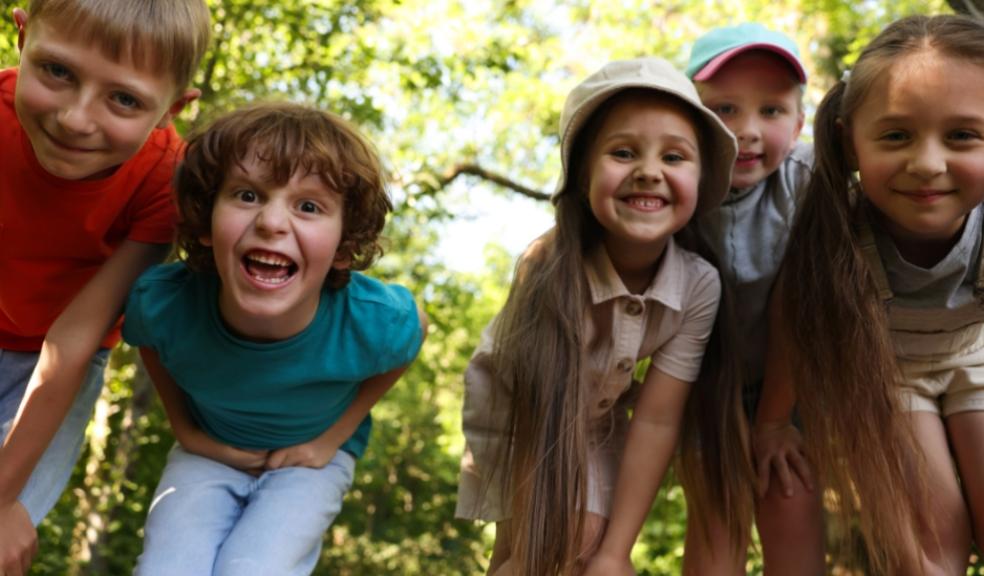
Nature Walks and Outdoor Play: Boosting Kids’ Happiness
In today’s technology-driven world, children spend more time indoors than ever before. Screens, homework, and structured activities can often leave little room for free play and outdoor adventures. Yet, research consistently shows that spending time in nature and engaging in outdoor play can have a profound impact on a child’s happiness and overall wellbeing.
Evidence increasingly suggests that regular access to green space and outdoor play supports both physical and emotional health.
The Power of Fresh Air and Sunshine
Simply being outside exposes children to fresh air and natural sunlight, both of which have immediate benefits for mood and energy levels. Sunlight helps the body produce vitamin D, which supports bone health and the immune system. Fresh air can help reduce feelings of stress or anxiety, giving children a natural boost in both physical and mental wellbeing.
A brisk walk in the park or a stroll through a local woodland can leave children feeling calmer, happier, and more focused. In the UK, even short periods outdoors — particularly during daylight hours — can contribute to overall wellbeing, especially during the darker winter months when natural light is limited.
Spending time outside can help regulate sleep patterns, particularly when children are exposed to natural daylight earlier in the day.
Developing Physical Health Through Play
Outdoor play encourages children to move in ways that indoor activities often cannot replicate. Running, climbing, jumping, and balancing on uneven surfaces all help to build strength, coordination, and stamina.
Unlike structured sports or exercise classes, outdoor play allows children to explore at their own pace, discovering what their bodies are capable of while having fun. Physical activity releases endorphins, the body’s natural “feel-good” chemicals, which contribute to happiness and emotional resilience.
In line with NHS recommendations that children engage in at least 60 minutes of physical activity daily, outdoor play provides an accessible and enjoyable way to meet this guidance.
Boosting Creativity and Curiosity
Nature provides an ever-changing environment that stimulates curiosity and creativity. Children can invent games, observe wildlife, collect leaves, or build dens using natural materials.
Unlike many indoor toys, nature does not dictate how it should be used. This allows children to think imaginatively and develop problem-solving skills independently. Unstructured outdoor play supports cognitive development and can foster a lasting sense of wonder and connection to the natural world.
Open-ended play in nature encourages independent thinking and flexible problem-solving.
Social Benefits of Outdoor Adventures
Exploring the outdoors with friends or family encourages social interaction and teamwork. Children learn to communicate, negotiate, and cooperate while climbing a tree, skipping stones, or organising a simple treasure hunt.
Sharing these experiences can strengthen relationships and build empathy. The joy of discovery is often amplified when experienced together, helping children form positive social memories linked to outdoor activity.
Face-to-face interaction during play also supports the development of communication skills and emotional awareness.
Simple Ways to Encourage Outdoor Time
Encouraging children to spend time outside does not need to be complicated. Short daily walks around the neighbourhood, visits to local parks, or weekend nature outings can all make a meaningful difference.
Schools and families can work together to provide opportunities for outdoor learning, gardening projects, or forest school sessions — approaches that combine education with time in nature. Even small changes, such as walking part of the school run or visiting a nearby green space after school, can help build regular outdoor habits.
Consistency often matters more than duration.
Conclusion
Spending time outdoors is not just about exercise or fresh air — it is about giving children the freedom to explore, imagine, and connect with the natural world. Nature walks and outdoor play are accessible ways to support a child’s happiness, physical health, and emotional wellbeing.
Encouraging children to step outside is an investment in their long-term development, helping to nurture resilience, creativity, and a positive relationship with the outdoors.
FAQs
1. How does outdoor play improve children’s happiness?
Outdoor play supports physical activity, creativity, social interaction and emotional wellbeing, all of which contribute to improved mood and resilience.
2. How much outdoor time do children need?
There is no fixed amount, but daily outdoor time — even short periods — can positively support physical and emotional health.
3. What are simple ways to encourage outdoor play?
Regular walks, park visits, garden play, and unstructured time in local green spaces are practical and effective ways to build outdoor habits.