

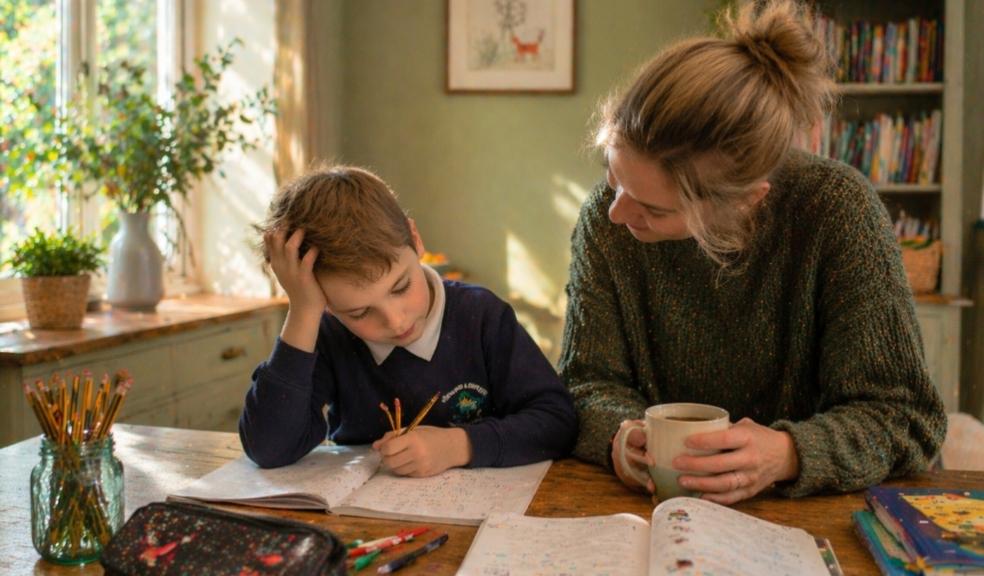
How Children Develop Confidence Through Trying
The first time a child comes home from school and announces they are "bad at maths", they are often five or six years old.
Children build confidence not by getting everything right, but by learning to keep going when things feel difficult.
They have struggled with a worksheet, have not finished it in time, and have drawn a conclusion that, if left unchallenged, can take years to unravel. They were not bad at maths. They had simply encountered something difficult and decided, in the way small children often do, that difficulty meant failure.
This pattern is more common than many parents realise. The leap from "I found this hard" to "I am not good at this" happens quickly, and it can set the course of a child's relationship with learning for years. Which is why one of the most important things any parent or educator can do is actively teach children to value the experience of trying, regardless of whether they succeed.
Why Struggle Is Good for Children
Research in developmental psychology consistently shows that children who are praised for effort, rather than ability, develop stronger resilience and a healthier approach to challenge. Carol Dweck's work on growth mindset has been hugely influential in education over the past two decades, and for good reason. Children who believe that intelligence and skill can be developed through practice are far more likely to persist through difficulty than those who believe ability is fixed.
This does not mean making learning artificially easy, or telling children they are wonderful at everything. It means celebrating the moments when they keep going. When they try something new and get it wrong. When they pick themselves back up.
What Parents Can Do at Home
Language matters enormously. Instead of responding to a difficult homework task with "Don't worry, you're so clever, you'll get it", try "This is a tricky one. Let's think about how we might work it out." The first response, however kindly intended, reinforces the idea that success is the goal. The second teaches problem-solving.
Give children opportunities to experience manageable failure. Let them play games they might lose. Let them attempt projects that might not work out exactly as planned. Intervene less often than instinct suggests. The discomfort a child feels when something is genuinely difficult is not something to be protected against. It is, within the right environment, exactly where confidence is built.
The Environment Makes the Difference
The educational settings that tend to build the most resilient, confident children are those that hold both high expectations and genuine warmth. Environments where children know they are valued as people, not just as performers. The Roche School's approach to nurturing growth mindset and character development reflects precisely this philosophy: a belief that kindness, co-operation, and the courage to try are the foundations of everything else.
Founded in 1983, the school has built a reputation over more than forty years on a clear and honest ethos: a thorough education in a homely environment. In practice, this means children who feel safe enough to attempt things they might not succeed at, and supported enough to keep trying when they do not.
Find out more about the school's approach at https://therocheschool.com/
Frequently Asked Questions About Building Confidence in Children
How do children develop confidence?
Children develop confidence by trying new things, making mistakes, and learning that effort leads to progress. Supportive environments and positive reinforcement play a key role.
Why is it important for children to experience failure?
Experiencing manageable failure helps children build resilience, problem-solving skills, and the confidence to try again rather than give up.
What is a growth mindset in children?
A growth mindset is the belief that abilities can improve with effort and practice. Children with this mindset are more likely to embrace challenges and persist through difficulty.
How can parents encourage confidence at home?
Parents can encourage confidence by praising effort, modelling problem-solving, allowing children to try independently, and creating a safe space where mistakes are part of learning.
About the Author
This article was written in partnership with The Roche School, a family-owned co-educational nursery and preparatory school in Wandsworth, South West London. Founded in 1983, The Roche School offers an education rooted in warmth, growth mindset, and a genuine love of learning for children aged two to eleven.