

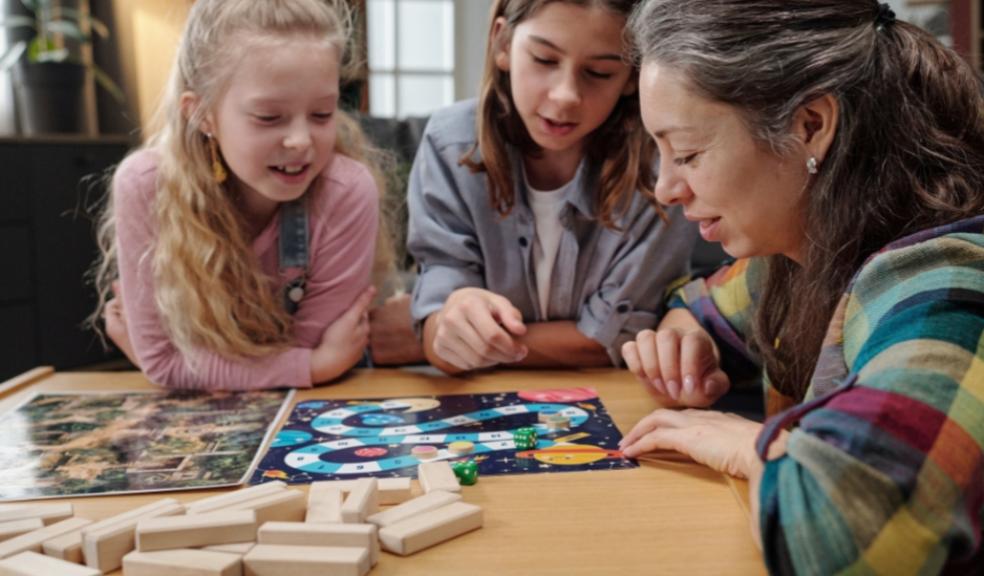
Why Board Games Are the Secret to Stronger Family Bonds in 2026
Screen time is higher than ever, and many families struggle to find quality time together amid busy schedules and constant digital distractions. Despite this, board games are becoming increasingly popular among families looking for meaningful ways to reconnect at home. More parents in 2026 are choosing tabletop games as a simple way to encourage real interaction away from screens.
The appeal goes beyond entertainment. Playing board games together helps families communicate, laugh, solve problems, and create shared experiences that apps and streaming services cannot replace. Research and child development experts continue to highlight the positive impact family game nights can have on relationships, teamwork, and emotional connection.
The Science Behind Play and Connection
Play is not limited to children. People of all ages benefit from meaningful shared experiences, especially within family environments. When families play together, they create emotional memories that often strengthen long-term relationships and communication.
Research into cooperative play and social bonding suggests that play can trigger the release of oxytocin, a hormone associated with trust and connection. This response is especially powerful during face-to-face activities, which is one reason tabletop games remain so valuable in family settings.
Many experts analysing family gaming trends in 2026 also suggest that cooperative board games can encourage teamwork and bonding more effectively than highly competitive formats. When families work towards a shared goal rather than competing against one another, the experience often feels more collaborative, supportive, and inclusive.
Why Families Are Returning to Analogue Entertainment
The conversation around screen time has changed significantly in recent years. Parents are now concerned about more than just how much time their children spend online. Many are actively searching for meaningful alternatives that encourage genuine interaction and stronger family relationships.
Families around the world are recognising the importance of face-to-face communication, something child development specialists have recommended for years. Board games provide a simple but effective way to create that connection by bringing everyone together in a shared, distraction-free environment.
Unlike individual screen use, tabletop games naturally encourage conversation, patience, teamwork, and problem-solving. Family game nights are also becoming part of a wider cultural shift as more households replace passive screen habits with shared social experiences.
Many families find that even one dedicated game night each week helps strengthen relationships, improve communication, and create lasting memories that fit naturally into everyday routines.
The Skills Children Build Without Even Realising
One of the biggest benefits of regular family game nights is the range of skills children develop through play. These benefits often extend far beyond entertainment and can positively influence children throughout their lives.
Communication and Listening
Games encourage players to explain their thinking, negotiate with others, and listen carefully during discussions. Children naturally practise active listening and clearer communication while playing. These are important social skills that can sometimes be difficult to develop through formal education alone.
Critical Thinking and Problem Solving
Strategy-based games challenge players to think ahead, weigh decisions, and adapt to changing situations. Even simpler games designed for younger children often involve decision-making and cause-and-effect reasoning. Research into play-based learning shows that play is one of the most effective ways to support cognitive development in early childhood.
Resilience and Emotional Regulation
Losing gracefully can be difficult, especially for younger children. Family game nights provide a safe and supportive environment where children can learn how to manage disappointment and frustration. Over time, this can help improve emotional regulation and resilience in everyday situations.
Patience and Turn-Taking
Board games naturally teach patience because every player must wait for their turn. While this may seem simple, it helps children develop self-discipline and social awareness that can carry into classrooms, friendships, and other group settings.
Choosing the Right Games for Your Family
Not every board game suits every family, which is why choosing games that match the ages and personalities of the players is important. A game that feels too difficult may frustrate younger children, while overly simple games may fail to keep older children, teenagers, or adults engaged.
For families with children aged four to seven, games with colourful visuals, easy-to-follow rules, and shorter play times often work best. Sessions lasting around twenty to thirty minutes are usually ideal for keeping younger players interested without losing their attention.
Families with older children and teenagers often enjoy cooperative or strategy-based games that encourage teamwork, discussion, and problem-solving. These types of games can help teenagers feel involved and valued, making family activities more appealing and enjoyable.
For households with a wide age range, games that can adapt to different skill levels are often the best choice because they allow everyone to participate comfortably without feeling bored, overwhelmed, or left out.
Making Game Night a Sustainable Habit
Families who benefit most from game nights are often the ones who make them part of a regular routine. Even setting aside one evening each week can noticeably improve communication, connection, and overall family relationships.
The key is to keep the atmosphere relaxed and enjoyable rather than overly competitive. Game night should feel like genuine quality time together, not another obligation, especially for teenagers who may already feel busy or distracted. Allowing children to choose the game occasionally can also increase their enthusiasm and sense of involvement.
One simple but important rule is to put phones and other devices away during the game. The real value comes from giving each other full attention without interruptions. In 2026, when digital distractions constantly compete for family time, sitting down together to play a board game can feel surprisingly meaningful. It creates shared memories, stronger relationships, and moments families often remember for years.
More Than Just a Game
In a world filled with distractions, board games give families something many people are missing: real connection. A simple game night can create laughter, conversations, and memories that last far beyond the table. Sometimes, the best way to bring a family closer is also the simplest: sit down, play together, and be fully present.