
Five Health Myths Some Parents Still Believe
If you've spent any time around other parents, you'll have collected a whole library of health advice you never asked for. Some of it is gold. A lot of it is repeated so confidently that it feels rude to doubt it. The problem is that confidence and accuracy aren't the same thing, and a few of these old chestnuts have been quietly disproven for years.
It's worth caring about, because some of these myths cause needless worry and others stop people getting help they actually need. Below are five that still get passed around, along with what the evidence really says.
You Need Eight Glasses of Water a Day
Almost everyone has heard this rule, and almost nobody knows where it came from. The figure most likely goes back to a 1945 US Food and Nutrition Board recommendation of around 2.5 litres a day. The bit everyone dropped was the line explaining that most of that already comes from the food on your plate.
Here in the UK, the NHS Eatwell Guide talks about six to eight cups or glasses of fluid a day, and that counts lower-fat milk, tea, coffee and sugar-free drinks, not only plain water. Fruit, veg and soup chip in as well.
There isn't one number that fits everyone. What you need shifts with your size, the weather, how much you've moved and what you've eaten. A simpler check is the colour of your urine, and you can top up if it's darker than pale yellow. Mostly, you can let your thirst do the work.
Cracking Your Knuckles Causes Arthritis
This is the classic told-off-as-a-child myth, and it's been firmly debunked. The best-known evidence comes from an American doctor, Donald Unger, who cracked the knuckles of his left hand at least twice a day for 50 years while leaving his right hand untouched as a comparison. That works out at around 36,500 cracks on one side.
Half a century later, neither hand had arthritis and there was no difference between them. He picked up an Ig Nobel Prize for his trouble in 2009, and larger studies have reached the same verdict, including one looking at more than 200 people that found no link between cracking and arthritis.
The pop you hear is just gas shifting inside the joint fluid, not wear and tear. Very heavy cracking has been tied to slightly weaker grip in a few studies, so it isn't entirely consequence-free, but arthritis isn't the risk it's made out to be.
Hair Loss Is Always Genetic
This is the one I most want to set straight, because believing it can stop people getting help. Genetics is indeed the most common cause of hair loss, and pattern baldness in men and women does run in families. But common doesn't mean only.
Stress, illness, thyroid issues, hormonal shifts, some medications, low iron and pregnancy can all bring on hair loss. Several of those are temporary and reverse once the cause is sorted. A new mum finding hair in the plughole a few months after giving birth is usually going through a normal hormonal change, not the start of permanent thinning.
The danger with this myth is that chalking everything up to your genes can leave a treatable cause sitting there unnoticed. A proper assessment looks at the whole range of possible triggers rather than assuming it's all inherited, which is why a clinic like Treatment Rooms London will check things like iron levels and thyroid function before settling on a cause. If your hair loss came on suddenly or doesn't follow the usual pattern, it's worth having it looked at properly.
Causes of hair loss that have nothing to do with genetics may include:
- Significant stress or a recent illness
- Low iron levels or poor nutrition
- Thyroid problems and hormonal changes
- Certain prescription medications
- Pregnancy and the months afterwards
You Can't Exercise During Pregnancy
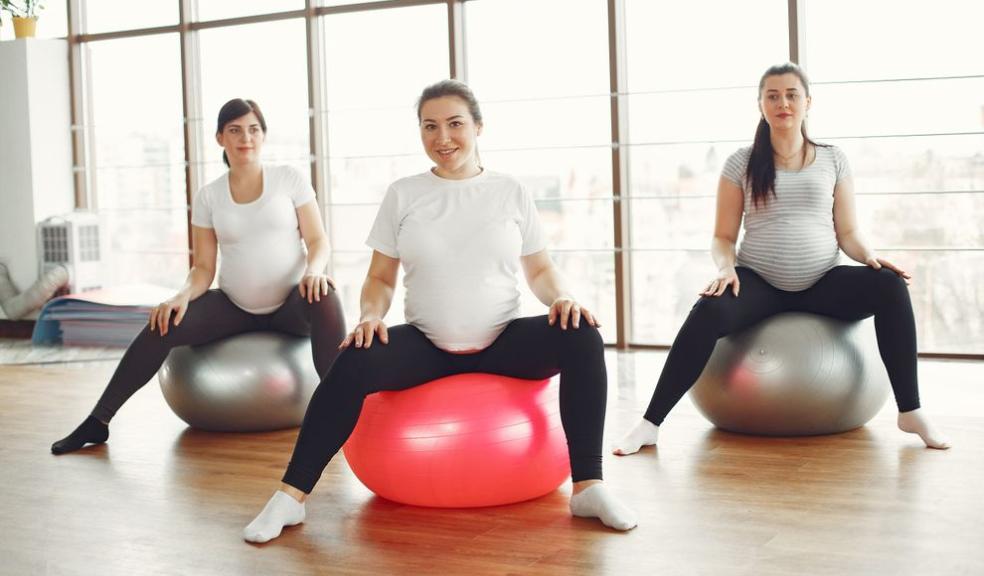
Plenty of people still imagine pregnancy as nine months of putting your feet up. The reality runs the other way. The NHS says staying active is good for both you and your baby, and that there's no need to stop your usual activity unless a midwife or doctor tells you otherwise.
The broad advice is to keep moving at a level that feels comfortable. Walking, swimming and pregnancy classes are all common choices. A handy test is whether you can still chat while you go. If you're too out of breath to talk, you're working too hard.
There are reasonable limits. Contact sports, anything where you might fall, and lying flat on your back for long stretches later on are all best avoided. The takeaway is that movement within the guidelines is encouraged, not off-limits. Your midwife can point you to what suits your situation.
Children Will Grow Out of Sleep Problems
This is a comforting line to hold onto at 3am, and sometimes it's true. Lots of little ones do drift into better habits as they grow.
But it isn't a given. Some sleep troubles carry on well into childhood, and a handful have a cause worth checking, like enlarged tonsils, reflux or anxiety. Simply waiting isn't always the fix.
If your child's sleep is clearly affecting their mood, their behaviour or the rest of the family, there's no harm in mentioning it to your GP or health visitor instead of banking on time alone. Often a small practical tweak helps, and now and then there's something specific that's easy to treat.
What It All Comes Down to
These myths last because they're snappy and sound about right, not because they're accurate. You don't need a strict eight glasses, your knuckles are safe, pregnancy and sensible exercise go together fine, and not every sleep problem sorts itself out.
The hair loss one is the myth I'd push back on hardest, because treating it as purely genetic can leave a fixable cause untouched while it's still early. With any of these, the move is the same: ask someone qualified rather than going with the version doing the rounds at the school gates.