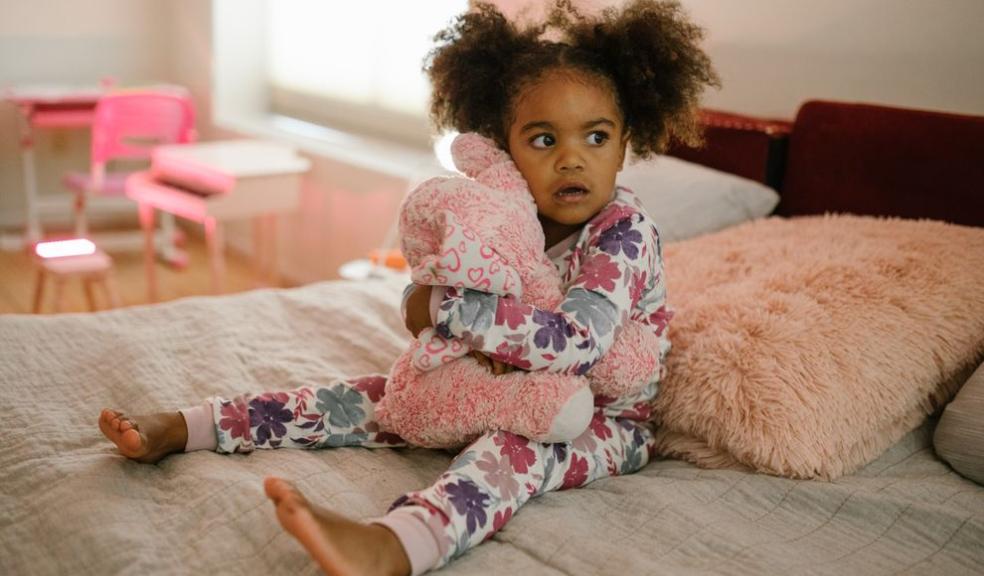
How to Choose Safe, Non-Toxic Pyjamas for Your Baby and Toddler
My youngest came out in a rash the first week we moved him into "big boy" pyjamas. Nothing dramatic — a patch of angry red skin across his tummy that faded by lunchtime — but it sent me down a rabbit hole I hadn't expected. It turns out the cute character set I'd grabbed in a hurry told me almost nothing about what was actually next to his skin all night. If you've ever turned a pyjama label over and found it says little more than "100% polyester" and a wash symbol, this one's for you.
Sleepwear is one of the few garments our children wear for ten or eleven hours at a stretch, night after night. That's a long time for a fabric to be pressed against thin, still-developing skin. So it's worth slowing down for two minutes before you add to basket. Here's what I've learned to look for.
1. Understand the flammability label (it's the law for a reason)
In the UK, children's nightwear is covered by the Nightwear (Safety) Regulations. You'll see one of two labels sewn in. Either "LOW FLAMMABILITY TO BS 5722", or a bright "KEEP AWAY FROM FIRE" warning. Neither is a red flag on its own — they simply tell you which route the maker has taken.
There are broadly two ways a garment passes: the fabric is treated to slow burning, or the garment is cut close to the body so there's no loose, billowing material to catch. Personally I lean towards the snug-fit route for the youngest ages, because it avoids added flame-retardant chemistry altogether. A well-made, close-fitting cotton or bamboo set does the job without anything sprayed on. What I actively avoid is loose, floaty polyester nighties with no clear label — that's the combination the regulations exist to warn you about.
2. Look past the fibre name to how it was finished
This is the bit that surprised me most. A label can say "100% cotton" and still carry dye residues, formaldehyde-based wrinkle finishes, or softeners that irritate sensitive skin. The fibre isn't usually the problem — the processing is.
The single most useful thing you can look for is an OEKO-TEX Standard 100 certificate. It's an independent test that screens the finished fabric for a long list of harmful substances, including the ones linked to skin reactions in little ones. If a brand can show you that certificate (with a real certificate number you can look up), you've removed most of the guesswork in one go. If they can't, ask why not.
Natural, breathable fibres tend to be the safest bet for sleep: combed cotton, cotton jersey, and bamboo viscose all handle body heat and moisture far better than cheap polyester, which traps sweat and can leave skin clammy by morning.
3. Mind the fit, the seams and the ties
Safety isn't only about fire and chemicals. For babies and toddlers, the boring details matter:
- No cords or long ties around the neck or hood — these are a genuine strangulation risk in sleep.
- Flat or external seams so nothing digs into the skin during all that rolling around.
- Poppers and buttons that are firmly attached — give them a tug in the shop; anything that comes loose is a choking hazard.
- The right size, not "room to grow." Oversized sleepwear bunches up and, for the flammability reasons above, defeats the purpose of a snug design.
4. Know where good sleepwear actually comes from
Here's something I only understood after chatting to a friend who runs a small children's clothing label: most of the trustworthy brands don't sew the pyjamas themselves. They work with a specialist factory that can prove what goes into the fabric and how every batch is checked. When I started reading brands' "about" pages with that in mind, the good ones were surprisingly open about it — they'll tell you their sets are produced by an OEKO-TEX certified sleepwear manufacturer, that the fabric comes from a single confirmed dye lot, and that finished garments are inspected before they ship.
That transparency is the tell. A brand that knows exactly who makes its pyjamas, and can show you the certificates behind them, is a brand that has thought about your child's skin. A brand that goes quiet when you ask is one to skip.
5. Wash new pyjamas before the first wear
This is the easiest habit to build and the one I now never skip. Brand-new sleepwear can carry loose dye, warehouse dust, and traces of the finishes used to keep garments looking crisp on the shelf. A single wash before the first bedtime rinses most of that away, so the very first night isn't the one where your child's skin meets everything at full strength.
Use a gentle, fragrance-free detergent — the "non-bio" and baby-specific ones genuinely are worth it for sensitive skin — and skip the fabric softener, which coats the fibres and can reduce a fabric's natural breathability. A cooler wash protects the fit too, so a snug set stays snug rather than shrinking out of shape. It's two minutes of effort that quietly removes a whole category of "why is she scratching?" mornings, and it works just as well on hand-me-downs that have been sitting in storage.
6. A quick two-minute checklist
Next time you're choosing a set, run through this:
- Is there a clear BS 5722 flammability label?
- Can the brand show an OEKO-TEX Standard 100 certificate with a real number?
- Is it a natural, breathable fibre (cotton or bamboo) rather than cheap polyester?
- Does it fit snugly, with no cords, loose ties or wobbly buttons?
- Does the brand say who actually makes it?
None of this takes long once you know what you're looking at, and it quietly rules out the sets most likely to cause a midnight rash or worse. My little one, for the record, has been happily rash-free since we switched to a certified cotton set — and I sleep a bit better knowing what he's sleeping in.
Written by a parent sharing hands-on experience — not professional or medical advice. Always check current UK nightwear safety guidance and a garment's own labelling before you buy. Promotional content.