

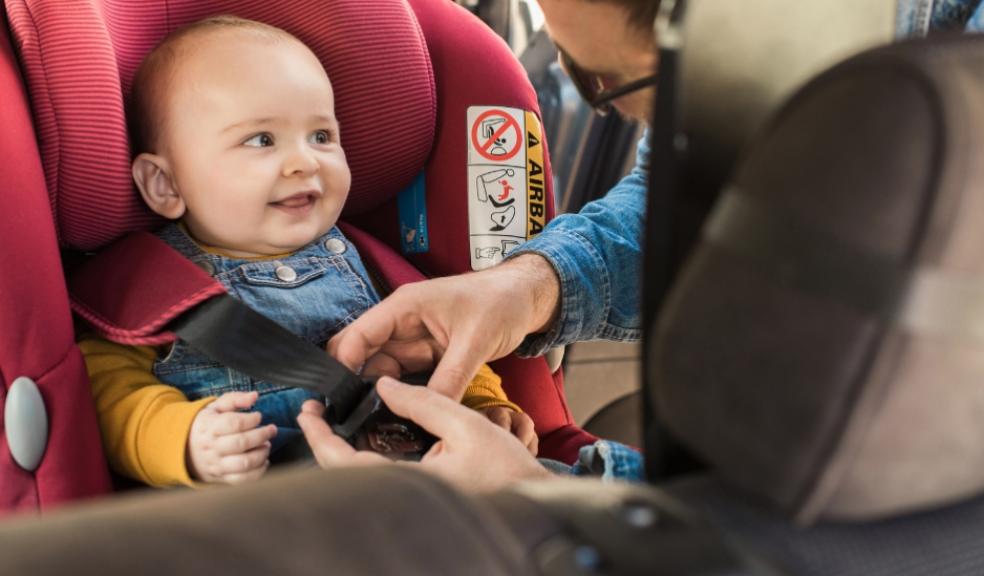
How to Choose the Perfect Car Seat for Your Baby’s Age and Size
Choosing a car seat might seem simple to the untrained eye, but with so many options available in stores and online, it's natural for new parents to feel a bit overwhelmed.
Picking the right seat involves more than just reading a label. A seat that’s too big or small may not offer proper protection in a crash. The right fit enhances safety and ensures your baby stays comfortable, even on longer journeys.
Making a confident choice means understanding the types of car seats, knowing how to match one to your child’s size, and recognising the safety features that matter most. The seat should also fit well in your car and be easy to use daily.
Understanding Car Seat Types
Parents will encounter three main types of car seats: rear-facing, forward-facing, and booster seats. Rear-facing seats (i.e. baby capsules) provide the best protection for infants by supporting the head, neck, and spine more effectively during sudden stops or collisions. The next stage is a forward-facing seat with a harness, designed for toddlers and children up to preschool age. Finally, booster seats are intended for older children ready to use the car seatbelt safely.
Because children grow at different rates, it’s helpful to consult the size charts provided for each seat instead of relying solely on age.
If you're uncertain about which seat type is best, visit Maxi-Cosi to explore a range of designs suited to different stages of a child’s development. Seeing the available features side-by-side can make the decision much more manageable.
Checking the Safety Standards
Every parent wants the reassurance that their child is safe on the road. That’s why checking a car seat’s Australian safety approval is essential and should never be overlooked. In Australia, all child car seats must meet the AS/NZS 1754 standard, one of the world's most rigorous child restraint standards.
Seats that comply with AS/NZS 1754 undergo extensive testing for crash performance, including head and neck protection, and include clear labelling to show the type of restraint and the child’s weight or height range.
Many modern Australian car seats also use the ISOFIX system, which attaches the restraint directly to built-in anchorage points. ISOFIX makes correct installation easier and reduces the chance of misuse, one of the leading causes of injury in crashes
When choosing a seat:
- Always check for the AS/NZS 1754 label.
- Avoid using expired, second-hand, or damaged seats, especially those missing parts or showing visible wear.
- Buy new from trusted retailers where you can be confident of the product’s history and compliance.
Rear-facing travel is recommended for as long as possible within the seat’s size limits, as it offers the best protection for a baby’s head, neck, and spine in a crash.
Matching the Seat to Your Baby’s Size
Not every child fits neatly into an age category, so accurate measurements are essential. Use a home scale and tape measure to check your child’s weight and height before selecting a car seat. These measurements provide a far more reliable guide than clothing sizes or birthdays.
Most car seats display their size limits on a label or in the manual. Following these guidelines closely is vital, as using a seat outside these limits may compromise your child’s safety. A proper fit means the harness lies flat against the chest, and the straps sit at the correct shoulder height.
Regular checks are important to ensure continued fit as your child grows. Even a small increase in height can affect harness positioning or available space. Don’t wait until the seat feels tight—switching to the next appropriate seat at the right time keeps your child safe and comfortable.
Considering Car Compatibility
Not every car seat is compatible with every vehicle. Before making a purchase, consider the size of your back seat, the design of your car’s interior, and how many other passengers may need space. A seat that fits well in one car might not suit another.
Consult car seat fitting guides matching specific seat models to car makes. These resources can help you avoid gaps between the seat and the vehicle seat, awkward tilting, or interference with front seats. Many manufacturers list compatible car models on their websites, simplifying your search.
ISOFIX systems are now widely used in newer vehicles, providing a secure and straightforward installation. However, if your car doesn’t support ISOFIX, a seatbelt-installed model remains a safe option—provided it’s correctly installed and firmly secured.
Looking at Ease of Use and Features
Functionality is just as important as safety. A difficult-to-adjust or install car seat may lead to mistakes, such as loose harness straps or improper positioning. That’s why ease of use should always factor into your decision.
Look for seats with clear markings, adjustable harness heights, and well-padded inserts to ensure comfort. If your child seems slumped or uncomfortable, check whether the recline angle or the padding can be adjusted. Some models also feature one-hand tightening systems, making daily adjustments quicker and more convenient.
Parents often overlook cleaning until it becomes necessary. Choose a seat with removable, washable covers and straps that can be wiped easily. Easy maintenance helps keep the seat hygienic and prolongs its lifespan.
Additional features like storage pockets, built-in cup holders, or colour indicators for correct installation may seem minor, but can significantly enhance daily use. The easier it is to secure your child safely, the more likely you'll install the seat correctly every time.
Final Thoughts
Choosing the right car seat doesn’t have to feel overwhelming. Focus on your child’s size, the applicable safety standards, and how well the seat fits in your vehicle. Don’t hesitate to ask questions or take your time to make the decision. Each careful step helps ensure a safer, more comfortable journey for your child.