

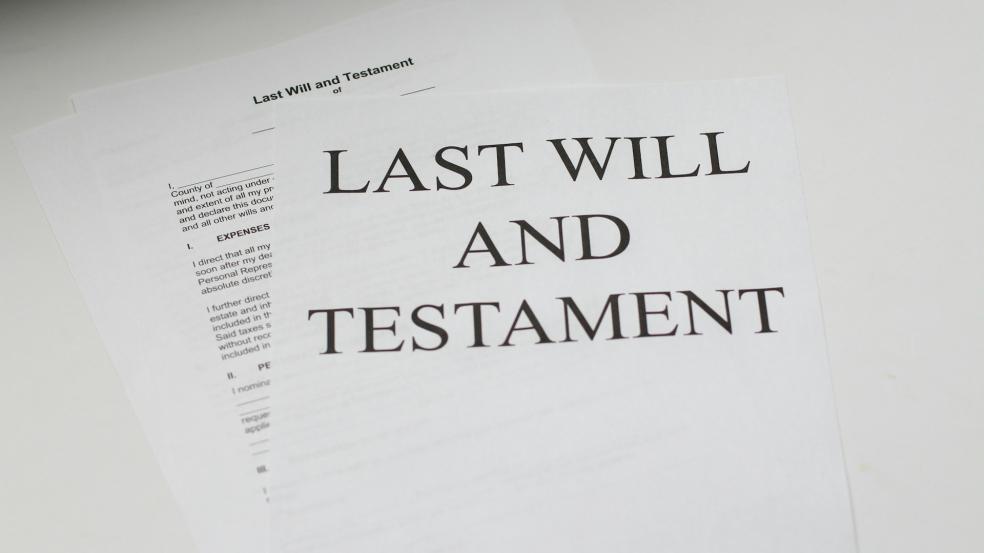
At What Point Should You Think About Writing A Will?
It’s something many of us put off. Writing a will feels like one of those “later” tasks, something we’ll get around to once life feels calmer, or once the kids are older.
But the truth is, life rarely slows down, and making a will doesn’t need to be complicated or frightening. In fact, as parents, it’s one of the most caring and practical things you can do for your family.
Why Parents Shouldn’t Put Off Writing One
Becoming a parent is often the turning point for when people start thinking about writing a will. It isn’t just about deciding who gets your house or savings; it’s about making sure your children are looked after in the way you want if the unthinkable were to happen. A will allows you to:
- Appoint guardians for your children under 18.
- Make sure your partner or family has financial stability.
- Make clear who should inherit your estate, rather than leaving it to intestacy laws.
- Reduce the chance of disputes or uncertainty during an already difficult time.
It may not be a comfortable conversation, but it is one that offers peace of mind.
How Long Does It Take?
The time it takes to write a will depends on your circumstances. A straightforward will, like naming your partner as the main beneficiary and appointing a guardian for your children, can be done in a matter of hours using a template or online service.
If you have more complicated circumstances, like overseas property, a blended family, or you want to set up trusts for your children, the process can take longer.
Working with a solicitor usually means it takes between one and three weeks from start to finish, but the reassurance of professional advice is often worth the wait.
Can You Write A Will Yourself?
Yes, many people choose to. Online templates and digital services are becoming increasingly popular, especially for young families with simpler estates.
But a word of warning: if mistakes are made in wording or witnessing, your will could be declared invalid.
If you can, at least consider having a solicitor check over your will to make sure it meets legal requirements. Think of it like childproofing your home - you might manage most of it yourself, but sometimes it’s worth bringing in an expert.
What You’ll Need Before You Start
To make the process smoother, it helps to gather information ahead of time. This might include:
- Proof of your name, date of birth, and address.
- Details of your marital status and any previous marriages.
- Names and dates of birth of your children.
- Property deeds and vehicle titles.
- Bank accounts, pensions, investments, and life insurance policies.
- Any debts (like a mortgage, loans, or credit cards).
- A list of personal items you’d like to pass on, from jewellery to family heirlooms.
- The names of your chosen beneficiaries and executors.
Having these ready can turn what feels like a big job into a much more straightforward task.
Updating Your Will As Life Changes
Wills aren’t set in stone. Life moves on, and your will should move with it. Marriage, divorce, the arrival of new children, or even buying a new home are all moments to update your will.
For small changes, you can add a codicil (a legal amendment). For bigger updates, it’s often easier to just write a new will entirely.
A good rule of thumb? Review your will every five years, or sooner if something major changes in your life.
What Happens If You Don’t Write One?
If you die without a will (known as dying intestate), the law decides who inherits your estate.
This can mean your estate is split in ways you never intended. For unmarried couples, this is particularly important, your partner won’t automatically inherit anything unless you write it in a will.
It can also mean your children may not get what you would have wanted for them. Writing a will avoids this uncertainty and makes sure your wishes are honoured.
Making Plans Beyond Money
Your will isn’t just about finances. It’s also a space to include personal wants, like:
- Who you’d like to care for your children.
- Specific items you’d like loved ones to inherit.
- Funeral wishes, whether that’s the music you’d like played or whether you’d prefer a burial or cremation.
- Care instructions for pets.
It’s your chance to leave clear instructions that make life easier for those left behind.
When’s the Right Time?
There’s no single “perfect time” to write a will. For many parents, the milestones are obvious: buying a first home, getting married, having children, or experiencing the loss of someone close.
The truth is, it’s never too early. Writing a will now doesn’t mean you expect anything bad to happen, it simply means you’re taking steps to protect your family.
Writing a Will
Writing a will isn’t about being morbid, it’s about being prepared. Whether it takes 15 minutes with an online template or a few weeks with a solicitor, the time you invest will bring lasting peace of mind.
By putting your wishes down in writing, you’re not just organising paperwork, you’re taking care of your children and ensuring they’re protected, whatever the future holds.
And really, that’s one of the most loving gifts a parent can give.