
10 Sensory Games to Play With Your Toddler
What Are the Best Sensory Games for Toddlers at Home?
If you’ve ever watched your toddler happily splash, squish, poke or sniff their way through a mess, you already know that sensory play is serious business. Simple, hands-on games help build your child’s brain, coordination, language skills and emotional development, all while keeping them happily engaged — and quietly supporting children’s wellbeing through play.
In the UK, the Early Years Foundation Stage (EYFS) framework highlights the importance of hands-on, exploratory learning in the under-5s. Sensory activities directly support these early development goals by encouraging communication, physical coordination and emotional regulation.
Here are some easy, low-prep sensory activities you can do at home using everyday items.
What Is Sensory Play?
Sensory play is any activity that stimulates a child’s senses — touch, sight, sound, smell or taste — and allows them to explore through direct experience.
It helps toddlers build neural connections in the brain that support language, coordination, emotional regulation and early problem-solving.
Most importantly, sensory play feels like play — not learning — which makes it incredibly powerful during the toddler years (roughly ages 1–3).
Rainbow Rice Dig
This colourful sensory game is perfect for encouraging exploration, fine motor skills and focus. Simply dye uncooked rice in a few bright shades using food colouring, spread it out to dry and pour it into a shallow container or tray. Add small cups, spoons, funnels or toy diggers and let your toddler bury little treasures.
As your child plays, they’ll practice hand-eye coordination, early maths concepts like volume, and sensory awareness through texture and colour. It‘s a calming activity that works beautifully during quiet playtime or when your toddler needs help settling their energy.
Water Transfer Station
Few things capture a toddler’s attention like water. A water transfer station allows your child to move water between different containers, supporting both coordination and concentration. Set up a shallow tub, bowl or outdoor water table with cups, ladles, sponges, funnels and small jugs.
This simple setup helps strengthen fine motor skills, build patience and introduce early problem-solving as your toddler works out how to move water without spilling. It’s also a fantastic way to support sensory regulation, especially on warm days or during moments when your child feels overstimulated.
Texture Treasure Basket
A texture treasure basket invites your toddler to explore a variety of materials using touch. Fill a basket or box with safe household items, such as soft fabric, wooden blocks, silicone utensils, sponges, natural loofahs, smooth stones or textured balls. Sit nearby and let your child freely investigate.
As they feel, squeeze, rub and compare different surfaces, they strengthen tactile awareness, descriptive language and sensory processing skills. You can gently guide the experience by naming textures, helping your toddler expand their vocabulary while deepening sensory understanding.
Ice Rescue Game
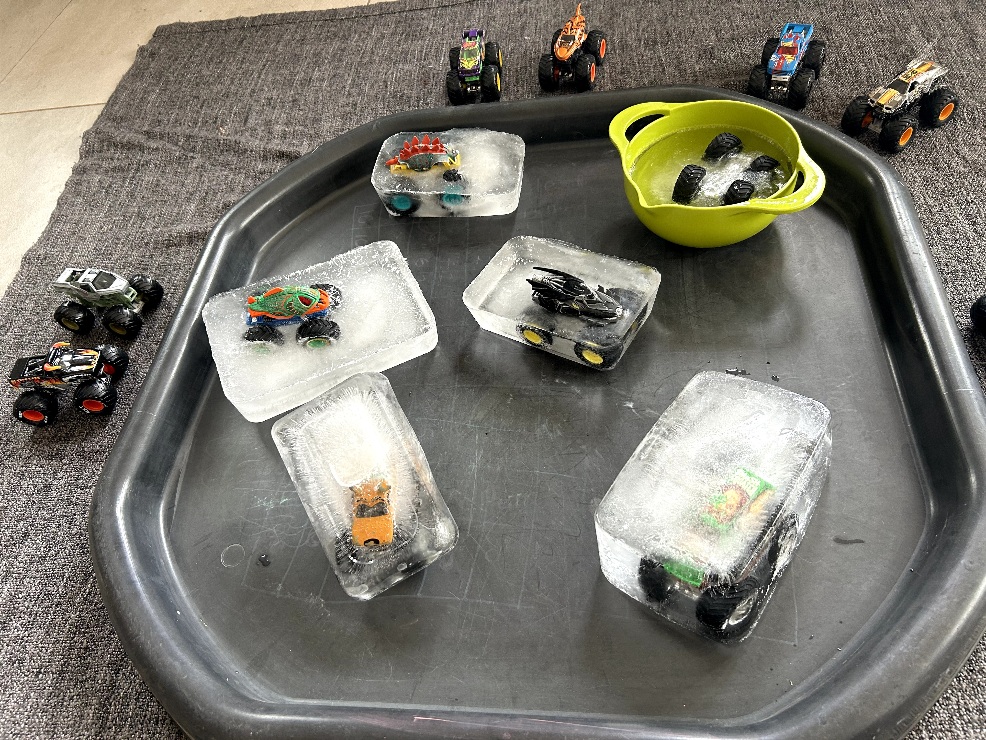
The ice rescue game adds an element of excitement and discovery to sensory play. Freeze small, waterproof toys inside ice cubes or a shallow container overnight. Once frozen, place the ice in a tray and give your toddler warm water, spoons or droppers to help “rescue” the trapped toys.
As the ice melts, your child learns about cause and effect, temperature differences and patience. This activity also strengthens fine motor control and problem-solving skills while keeping little hands busy. It’s especially fun on warm days when your toddler can enjoy the cooling sensory experience.
Bubble Wrap Stomp
Bubble wrap stomp is a high-energy sensory game that combines movement, sound and touch. Lay a large sheet of bubble wrap on the floor and secure the edges with tape. Let your toddler walk, jump, and stomp across it barefoot or in socks.
The satisfying popping sounds stimulate auditory senses, while the textured surface activates tactile awareness and aids foot development. This playful activity helps build balance, coordination and body awareness, making it perfect for burning off excess energy.
Scent Discovery Bottles
Smell is one of the most powerful senses linked to memory and emotion, making scent discovery bottles a beautiful sensory experience. Fill small jars or bottles with items such as orange peel, lavender, cinnamon sticks, fresh herbs or coffee beans. Secure the lids with small hole punches in them for safe sniffing.
Encourage your toddler to smell each bottle and describe what they notice. This activity strengthens sensory processing, language development and emotional awareness. You can also turn it into a gentle guessing game, helping your child connect different scents with familiar objects and experiences.
Mud Kitchen Play
Mud kitchen play is outdoor sensory exploration at its finest. Set up a small space with old pots, spoons, bowls, water, soil, leaves and stones to encourage your toddler to create their own messy masterpieces. From mud pies to leaf soups, there’s no limit to their imagination.
This form of open-ended play supports creativity, problem-solving and emotional expression. It also strengthens gross motor skills and encourages a healthy connection with nature. While it can get messy, the freedom and joy it brings make it well worth the cleanup afterwards.
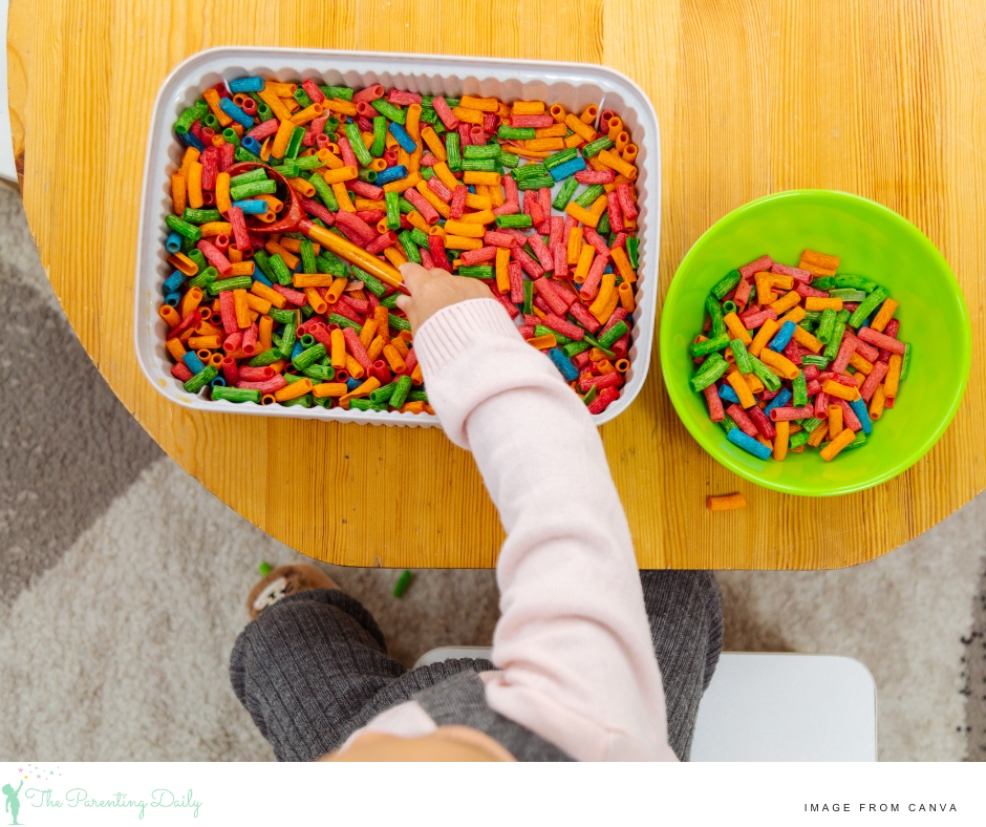
Dry Pasta Sensory Bin
A dry pasta sensory bin offers endless opportunities for scooping, sorting, pouring and creative play. Fill a large container with different pasta shapes and add cups, spoons, small bowls and funnels. Your toddler will love the sound, texture and movement of the pasta as they explore.
This activity helps develop fine motor skills, hand-eye coordination and early mathematical thinking as your child compares shapes, sizes and quantities. It also encourages independent play and concentration, making it an excellent quiet-time activity when you need a calmer moment.
Musical Shakers
Creating musical shakers is a fun way to explore sound and rhythm. Fill empty plastic bottles or sealed containers with rice, lentils, pasta or small bells, making sure the lids are tightly secured. Let your toddler shake, tap and roll them to discover different sounds.
This sensory game supports auditory development, rhythm awareness and coordination. Singing simple songs or playing along with music can also strengthen listening skills and emotional connection. Best of all, your toddler feels proud playing with instruments they helped create themselves.
Mirror Face Games
Mirror face games help toddlers explore emotions, facial expressions and self-awareness. Sit with your child in front of a mirror and make exaggerated happy, sad, surprised or silly faces together. Encourage them to copy your expressions and create their own.
This playful activity supports emotional development, empathy and early communication skills. It also helps your toddler recognise their own facial movements and expressions, building confidence and emotional intelligence. Laughter usually follows, making this a joyful way to connect while learning through play.
Why Sensory Play Matters for Toddlers
Sensory play helps your toddler explore the world using all five senses. These early experiences play a powerful role in brain development, emotional regulation, coordination and early language skills. Research suggests that around 90% of brain development happens before age five, making the toddler years a crucial time for hands-on learning.
Sensory play also supports:
-
Emotional regulation
-
Early maths and problem-solving
-
Language expansion
-
Body awareness and coordination
-
Confidence through independent exploration
By offering simple sensory games at home, you encourage curiosity, confidence and problem-solving in a way that feels natural and fun — often making family life easier by turning everyday moments into meaningful play. Montessori-based activities, in particular, emphasise purposeful play that supports independence, focus and real-world learning.
Safety Tips for Sensory Play
Always supervise your toddler during sensory activities, especially when small objects, water or messy materials are involved. Choose age-appropriate, nontoxic items, and avoid choking hazards. If you’re using scents, opt for mild, natural smells.
Keep wipes, towels and a change of clothes nearby to make cleanup stress-free. Most importantly, follow your toddler's lead. If they seem overwhelmed, take a break and return to play when they’re ready.
Good Sense
Sensory games may look like simple play, but they’re laying the groundwork for curiosity, confidence and lifelong learning. By offering your toddler opportunities to explore, squish, splash, sniff and move, you’re helping them build essential skills in a way that feels joyful and natural, while gently shaping parenting routines rooted in play and connection.
FAQ Section
What age is sensory play suitable for?
Sensory play is ideal from around 12 months onwards and is especially beneficial between ages 1–3, when brain development is rapid.
How does sensory play support toddler development?
It strengthens fine and gross motor skills, language development, emotional regulation and early problem-solving abilities.
How often should toddlers do sensory play?
Short, daily opportunities for hands-on exploration are beneficial. Even 10–15 minutes of sensory activity can support learning and regulation.