


Why Your Child Isn’t Sleeping Through the Night
And the Surprisingly Simple Fixes Parents Often Miss
If bedtime in your house feels more like a battleground than a wind-down, you’re not alone. Broken sleep is one of the biggest stress points for families with young children, impacting everything from parental wellbeing and mental health to focus, mood and daily routines.
Many parents quietly worry their child is a “bad sleeper” — or that they’ve somehow created habits they can’t undo.
But according to baby and child sleep specialist Sophie Wilkinson, most night waking isn’t caused by “bad sleepers” or bad habits at all.
So what’s really going on — and what can you actually do about it?
What Causes Children to Wake at Night?
Many of the most common sleep disruptors are surprisingly easy to overlook. While familiar problems like fears of the dark or slightly inconsistent routines may seem minor, these small issues often have the biggest impact on your child’s bedtime and overall sleep quality.
Sophie explains:
“As a baby and child sleep specialist, I’ve worked with hundreds of families struggling with disrupted nights. In almost every case, it’s not stubbornness or ‘bad habits’, it’s small environmental or emotional factors being missed at bedtime.”
The good news? By identifying and gently adjusting these triggers, families often see improvements far sooner than expected — without needing to overhaul their entire routine.
What Is “Normal” Night Waking?
Night waking is developmentally normal, especially for babies, toddlers and preschoolers. Sleep cycles in young children are shorter than in adults, meaning they surface into lighter sleep more often.
If something feels different between sleep cycles — light, temperature, noise, emotional comfort — children are more likely to fully wake and call for reassurance.
In many cases, improving sleep is about creating consistency and comfort across those sleep cycles.
The Most Common (and Often Missed) Sleep Disruptors
1️⃣ Night Fears and Fear of the Dark
A fear of the dark is one of the most common sleep issues, particularly as children’s imaginations blossom (usually around age 3).
As children’s imaginations develop, darkness can suddenly feel threatening — even if it never bothered them before.
This often shows up as:
-
Calling out repeatedly
-
Delaying bedtime
-
Suddenly needing lights left on
-
Increased anxiety at bedtime
2️⃣ Sensory Overload and the Sleep Environment
Too much stimulation before bed — from busy households, screens, bright lighting or noise — can make it difficult for children to switch off.
Even if a child appears tired, their nervous system may still be overstimulated.
A calm sleep environment supports melatonin production, the hormone that helps regulate sleep. The NHS recommends a cool, dark, quiet room for optimal rest.
3️⃣ Night-Time Accidents and Sleep Disruption
Bedwetting or night-time spills are another common cause of disrupted sleep, especially for children aged 3–7 who are still developing bladder control overnight.
Even when handled calmly, accidents can interrupt sleep cycles and make it harder for children to resettle.
4️⃣ Inconsistent Routines and Missing Sleep Cues
Children thrive on predictability. Inconsistent bedtime routines can make it harder for them to recognise when it’s time to sleep.
Sleep cues are repeated signals that help the brain transition from activity to rest.
When cues happen in the same order each evening, the body begins to anticipate sleep naturally.
5️⃣ Daytime Naps and Their Impact on Night Sleep
While daytime naps remain important, long or late naps can interfere with bedtime — particularly for toddlers and preschoolers.
Many families see sleep wobble during late winter (especially February in the UK), when:
-
Shorter daylight hours disrupt body clocks
-
Seasonal bugs interrupt routines
-
More time indoors increases restlessness
Establishing predictable nap timing and protecting a calm bedtime routine can help support night-time sleep rather than disrupt it.
How Can We Gently Support Better Sleep?
Sleep challenges rarely have a single cause — and thankfully, solutions don’t need to be drastic.
Small, targeted adjustments can make a noticeable difference.
Supporting Night Fears
Nattou Silicone Nightlight – Bear (RRP: £24.95)
Nattou Teddy DouDou Cuddly Bear (RRP: £15.00)
If your child is displaying a fear of the dark, items that provide gentle reassurance can help reduce anxiety around being alone in dark environments.
A soft, warm-toned night light paired with a familiar comforter or soft toy adds emotional security and consistency through the night. This simple combination is often enough to significantly reduce night waking caused by anxiety or fear.

Reducing Sensory Overload
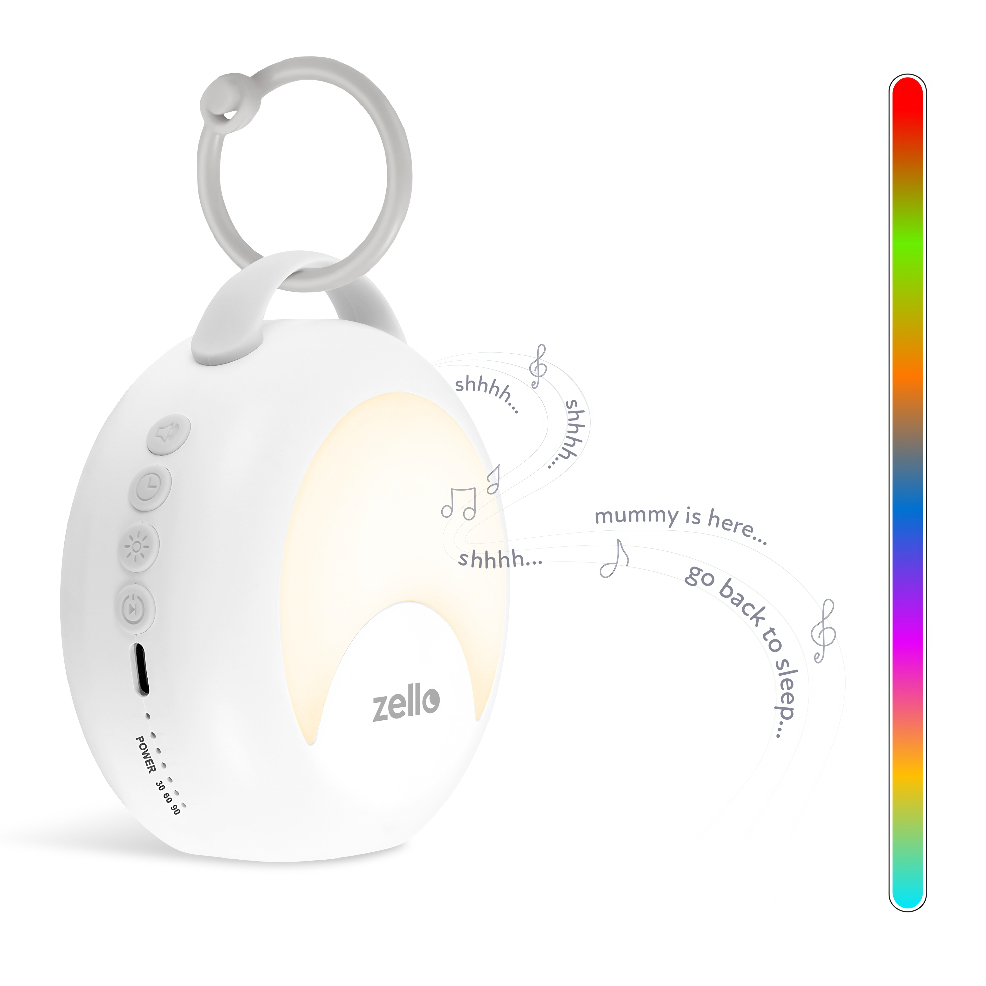
Zello Original White Noise Machine & Night Light (RRP: £29.99)
White noise machines are a simple yet effective solution to reduce overstimulation. By calming the nervous system and masking sudden noises from siblings, traffic or household activity, they help create a soothing sleep environment.
Combine with:
-
A calm, neutral, uncluttered bedroom
-
Room temperature around 18°C
-
Blackout blinds to support melatonin
-
A gadget and toy-free bedroom
These environmental changes gently support more settled sleep.

Managing Night-Time Accidents
Waterproof Bed Protectors (RRP: £14.50–£74.50)
Night-time accidents are one of the most common causes of disrupted sleep for children.
A good quality waterproof mattress protector:
-
Protects bedding
-
Minimises clean-up
-
Helps children feel safe and secure
-
Allows faster resettling
Reducing stress around accidents can significantly improve overall sleep continuity.
Reinforcing Sleep Cues
Consistent routines play a powerful role in supporting better sleep.
Gentle cues might include:
-
Dimmed lighting or a warm nightlight - like the Nattou Teddy Mini Cuddly Dog Nightlight – Vanilla
-
A favourite comforter or soft toy – like the Nattou Teddy Cuddly Bear
-
Constant, static white noise - like the Zello YourVoice White Noise Machine & Night Light
-
A short bedtime story or calming ritual
When used in the same order each evening, settling becomes easier and night waking often reduces.
Bringing It All Together
Once you identify which factors are affecting your child, small targeted changes — introducing reassurance, reducing stimulation, reinforcing cues and protecting sleep continuity — can support longer, more restorative nights.
Sleep improvement is rarely about dramatic change.
It’s usually about adjusting the details.
And those details can make all the difference.
FAQs
Why does my child suddenly wake up at night?
Night waking is often linked to developmental changes, fear of the dark, overstimulation, inconsistent routines or disrupted sleep environments.
At what age do children develop a fear of the dark?
Fear of the dark commonly develops around age 3, when imagination expands and children become more aware of their surroundings.
Can white noise really help children sleep?
Yes. White noise can mask sudden sounds and create a consistent sleep environment, helping children resettle between sleep cycles more easily.