

10 Simple Ways to Spend Quality Time Together at Home
Looking for simple ways to spend quality time together at home?
In busy family life, connection can easily get squeezed between school runs, work commitments and endless to-do lists. The good news? Meaningful family time doesn’t require expensive days out or complicated plans. Some of the most valuable moments happen right at home.
Quality time is about being present, sharing experiences and creating small rituals that strengthen bonds. Here are ten simple, realistic ways to connect with your loved ones — without leaving the house.
1. Cook Together
Preparing a meal together can be surprisingly fun and rewarding. Choose a recipe that everyone enjoys, assign roles, and involve children in age-appropriate tasks. Cooking together encourages teamwork, conversation, and the joy of sharing a meal you’ve all contributed to.
Even younger children can help wash vegetables or stir ingredients, while older children might measure, chop (with supervision) or follow the recipe.
2. Have a Movie Night
Turn your living room into a cosy cinema. Pick a film everyone wants to see, make some popcorn, dim the lights, and enjoy a movie marathon. You can even take turns selecting films, which gives each family member a sense of involvement.
Adding simple touches like blankets or homemade “cinema tickets” can make the experience feel special without extra effort.
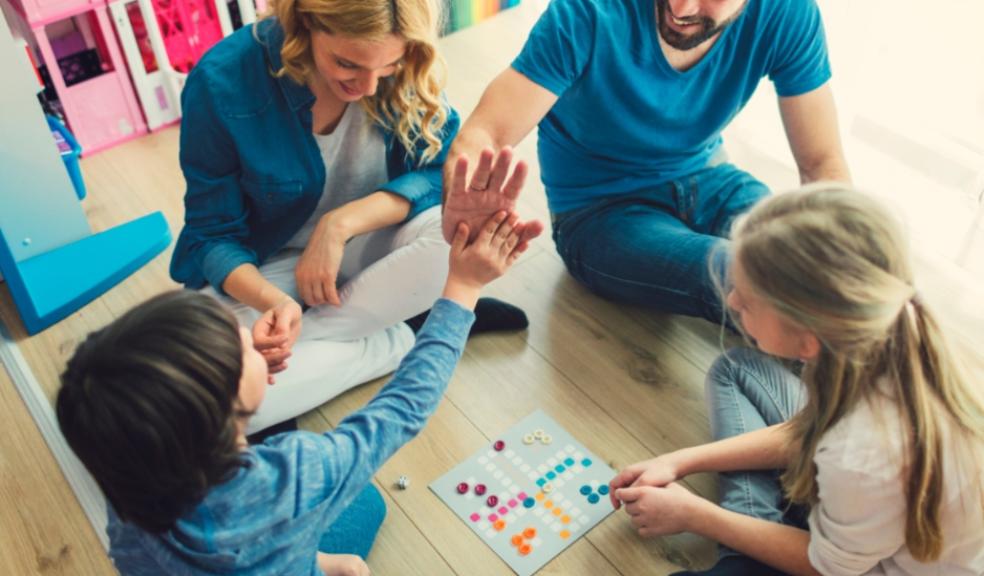
3. Play Board Games or Puzzles
Board games and puzzles are excellent for fostering communication and friendly competition. From classic games like Scrabble and Monopoly to cooperative puzzles, these activities engage everyone’s minds and create hours of fun without screens.
Games also naturally build turn-taking, patience and problem-solving skills — particularly important for primary-aged children.
4. Read Aloud Together
This private school suggests that reading aloud can be a calming and bonding experience. Choose a story suitable for all ages, or take turns reading chapters. Discuss the plot, characters, and ideas afterwards—it encourages conversation and sparks creativity.
Reading aloud supports vocabulary, listening skills and imagination, while also creating a predictable, comforting family routine.
5. Create a Home Project
Work together on a creative project, whether it’s crafting, gardening, or redecorating a room. Completing a project as a team gives everyone a sense of accomplishment and leaves a tangible reminder of your time spent together.
Projects do not need to be large or expensive. Even something simple like planting herbs or building a small craft can build teamwork and pride.
6. Exercise as a Family
Physical activity doesn’t have to be limited to the outdoors. Try a family yoga session, dance party, or indoor obstacle course. Exercise releases endorphins, lifts spirits, and promotes healthy habits for everyone.
According to NHS guidance, children benefit from at least 60 minutes of physical activity per day — making family movement time both fun and beneficial.
7. Have a Themed Evening
Pick a theme for an evening—such as “Italian Night” or “Around the World”—and plan food, music, and activities around it. Themed nights add excitement, encourage creativity, and break the routine of everyday life.
You might explore different cultures, try new recipes or learn simple phrases in another language.
8. Share Stories or Memories
Set aside time to talk about your day, share personal stories, or reminisce about family memories. Storytelling strengthens emotional connections and helps everyone feel heard and appreciated.
Even simple questions like “What was your favourite part of today?” can open up meaningful conversations.
9. Listen to Music or Play Instruments
Music is a powerful way to connect. Listen to favourite songs, sing along, or play instruments together if you have them. Even simple rhythm games or karaoke sessions can create laughter and lasting memories.
Music also supports emotional regulation and self-expression for children of all ages.
10. Set Up a Home Spa or Relaxation Time
Unwind together by creating a relaxing atmosphere at home. Light candles, play soothing music, and enjoy face masks, hand massages, or meditation. This shared relaxation promotes calmness, wellbeing, and togetherness.
Teaching children simple relaxation techniques can support emotional wellbeing and help them manage stress.
Why Quality Time at Home Matters
Quality time refers to focused, meaningful interaction where family members are fully present with one another. It strengthens attachment, supports emotional security and builds communication skills.
For children, consistent shared moments — even small ones — create a sense of belonging and stability. For adults, these rituals help reduce stress and strengthen family identity.
Making It Work for Real Life
Quality time does not have to be perfect or Pinterest-worthy. It simply needs intention. Short, regular moments of connection often matter more than occasional big events.
By prioritising presence over perfection, everyday life becomes full of opportunities to build stronger family bonds.
FAQ Section
What are simple ways to spend quality time together at home?
Cooking, board games, reading aloud, themed evenings and shared projects are simple ways to connect without spending money.
Why is quality time important for families?
Quality time strengthens emotional bonds, supports children’s wellbeing and creates a sense of belonging and security.
How can busy families prioritise quality time?
Start with small, regular rituals like shared meals, evening chats or weekly themed nights rather than large, time-consuming activities.