

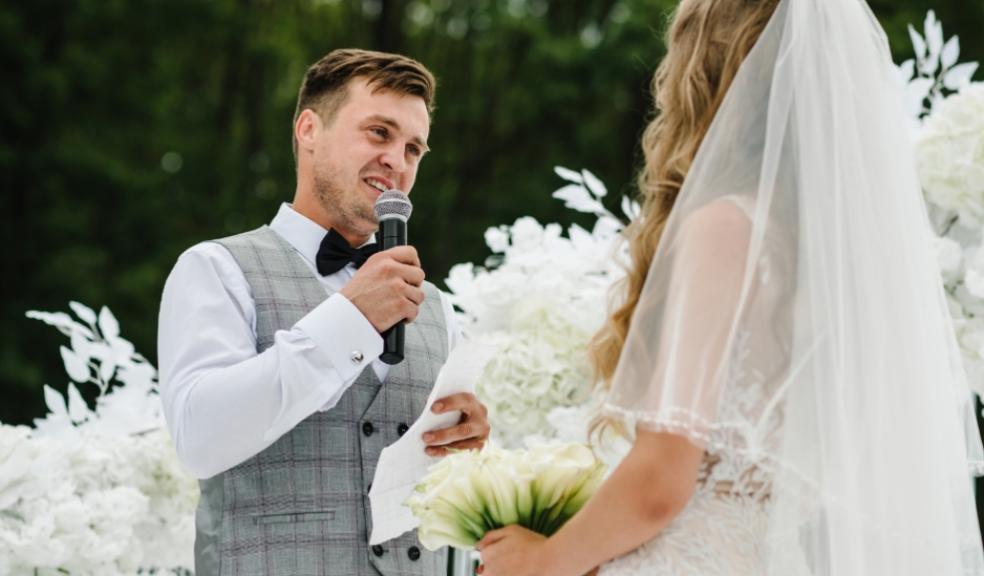
How to Write Meaningful Wedding Vows That Family Guests Will Remember
Wedding vows are one of the few moments at a wedding when the room goes completely quiet.
Guests are not just waiting for the next event on the timeline - they are listening for something real. That is why meaningful vows tend to stay with family long after the day is over.
If you are trying to write vows that feel personal without becoming awkward, overly long, or too private for a crowd, you are not alone. The goal is not to sound like a poet or a comedian. The goal is to sound like yourself, while saying something honest enough that the people who love you can feel it too.
Why Meaningful Wedding Vows Matter to Family Guests
Wedding guests, especially family members, are usually hearing your vows as part of a bigger story. They have watched your relationship grow, or at least they have seen enough to care about what happens next. When vows are thoughtful and sincere, they give guests a sense of connection to the marriage, not just the ceremony.
That does not mean your vows have to be written for the audience. In fact, the strongest vows usually feel personal first and memorable second. The memory comes from truth, not performance.
When family guests remember wedding vows, it is often because the words revealed something simple and specific. A promise, a shared memory, or a line that showed real gratitude can land far harder than a polished speech with no heart.
Start With What You Actually Mean
Before you worry about wording, think about the core message. What do you want your partner, and the people witnessing your marriage, to understand about your relationship? A good vow usually grows from one of these ideas: the reason you fell in love, what you have learned together, or what you promise moving forward.
Try writing down a few phrases in plain language. You might say you feel calmer with them, stronger because of them, or more yourself when they are near. Those are the kinds of truths that can turn into memorable wedding vows without sounding forced.
Use Specific Memories, Not Generic Compliments
One of the easiest ways to make vows meaningful is to avoid vague language. “You are amazing” is nice, but it is also something almost anyone could say. A specific memory or detail gives the vow real shape.
Think about the small moments that matter: the way they handled a hard week, the joke that made you laugh at the right time, or the quiet support that changed how you saw your future.
These details help your family guests understand your bond, even if they did not witness every part of it.
If you want a good test, ask yourself whether another couple could say the same line. If yes, make it more specific.
Keep the Tone Honest and Natural
The best wedding vows do not sound like they were written for an audience of strangers. They sound like a real person talking to someone they love. That means you do not need to force big words, dramatic language, or perfect sentences.
Speak in the way you usually speak, just more intentionally. If you are naturally funny, a touch of humor can help. If you are more sentimental, it is fine to lean into emotion.
What matters most is emotional clarity. Your guests will remember sincerity more than style, especially if your words feel steady and grounded instead of overly rehearsed.
Include a Promise That Feels Real
Every vow should contain at least one clear promise. This does not have to be grand or abstract. In fact, the most powerful promises are often the ones that sound practical and deeply human.
You might promise to listen better, to keep choosing kindness, or to stand beside your partner during difficult seasons. These vows feel believable because they connect love with action.
Examples of meaningful promise language
You do not need to copy these exactly, but they show the kind of clarity that works well:
- I promise to keep learning how to love you better.
- I promise to be your calm when life feels noisy.
- I promise to make room for laughter, even on hard days.
- I promise to show up, again and again, with patience and care.
Promises like these are memorable because they sound lived-in, not performed.
Think About the Family Audience Without Writing for Them
Your vows are not a family speech, but they will be heard by parents, siblings, grandparents, and friends. That is why it helps to be thoughtful about what you share. A little warmth toward the room is fine, but the vows should still stay centered on your partner and your commitment.
A simple acknowledgment can go a long way. You might thank your family for their support, or recognize the values that shaped each of you. If you want a keepsake that holds those wedding memories for years to come, a wedding photo album can be a beautiful way to preserve the people and moments around the ceremony.
Just be careful not to turn your vows into a thank-you list. Guests will appreciate a brief nod more than a long detour. Keep the emotional focus on your marriage so the vows stay intimate and meaningful.
Give Your Vows a Clear Shape
Memorable vows are often easier to write when they have a simple structure. You do not need to follow a strict formula, but you do need a shape so the words feel complete. A useful flow is:
- Share what you love or value about your partner.
- Mention a specific memory, quality, or moment.
- Make your promises for the future.
- End with a line that feels like a natural closing.
This structure helps you avoid rambling. It also gives guests a sense that your vows are building toward something, not just drifting from one nice thought to another.
Practice Out Loud Before the Wedding
A vow that looks beautiful on paper may feel awkward when spoken. Reading it aloud helps you hear whether the rhythm works, whether any sentence is too long, and whether the emotional moments land naturally.
This step also helps you catch accidental overexplaining. If you find yourself gasping halfway through a sentence, simplify it. Shorter lines often sound stronger when spoken in front of a group.
It is also a good idea to practice at the same general pace you plan to use during the ceremony.
That way, you will feel more confident and less likely to rush through the most important parts.
What to Avoid When Writing Wedding Vows
Some mistakes can make vows feel less meaningful, even when the intention is good. One common problem is trying too hard to impress. Another is being so private or inside-jokey that family guests cannot follow what is being said.
Try to avoid these pitfalls:
- Making the vows too long
- Using quotes just because they sound romantic
- Turning the moment into a comedy routine
- Including promises you cannot realistically keep
- Repeating the same idea in different ways
The best vows are focused, sincere, and easy to hear. If something feels like filler, it probably is.
Frequently Asked Questions About Wedding Vows
How long should wedding vows be?
There is no perfect length, but most meaningful vows work well when they are brief enough to hold attention and long enough to say something real. For many couples, one to two minutes per person is enough. That gives you room for emotion without losing the room.
Should wedding vows be funny or serious?
Either can work, as long as it matches your relationship. A little humor can make vows feel warm and human, but the heart of the vows should still be sincere. If you include a joke, balance it with something genuine.
How do I make my vows memorable for family guests?
Specificity is the key. Use real memories, honest promises, and clear language. Guests remember vows that sound true, not vows that sound perfect.
What if I get emotional while reading my vows?
That is completely normal. Pause, breathe, and keep going. A little emotion often makes the moment more powerful, not less.
Conclusion: Write From the Life You Actually Share
Meaningful wedding vows do not come from trying to sound impressive. They come from noticing what is true about your relationship and saying it plainly. When you focus on specific memories, honest promises, and a natural tone, your vows will feel personal to your partner and memorable to the people who love you.
If you are starting from scratch, begin with one true sentence and build from there. Read it out loud, trim anything that sounds forced, and let your voice sound like your own. That is what family guests will remember - not perfection, but sincerity they could feel in the room.
Promotional content