

Understanding Survey Reports: What Homebuyers in London Need to Know
Buying a property in the capital is a significant milestone, yet the excitement of finding a dream home can often overshadow the need for a thorough inspection. While a house might look perfect during a ten minute viewing, underlying issues can hide behind fresh paint or beneath floorboards. A professional assessment provides the clarity you need to ensure your investment is sound.
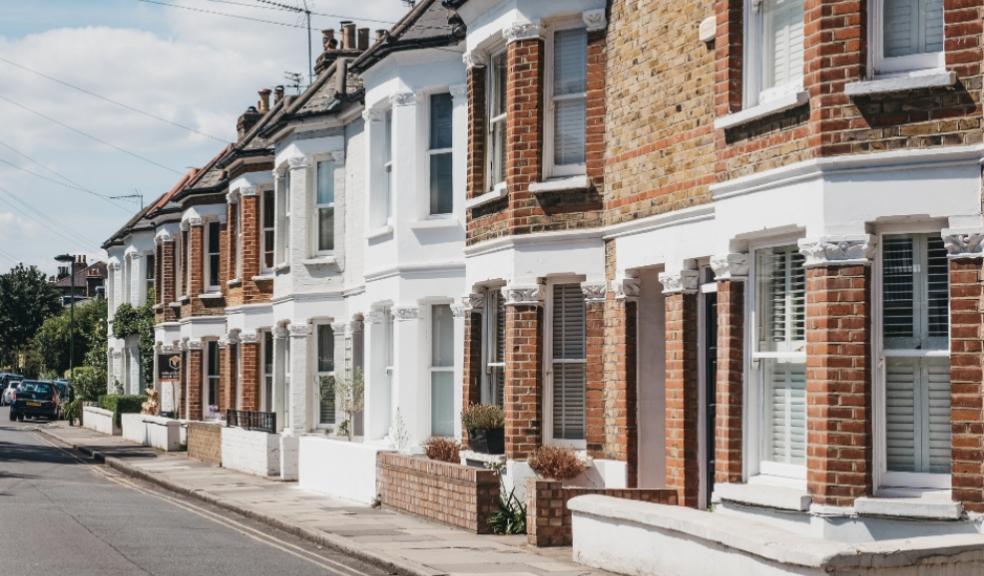
London’s property market is incredibly diverse, ranging from sleek new builds to historic Victorian terraces. Each type of building carries its own set of potential risks. Without a detailed report, you could face unexpected repair bills soon after moving in. Understanding the different levels of surveys will help you choose the right one for your specific purchase.
Knowledge is your strongest tool when navigating the local housing market. By identifying defects early, you can negotiate the price or ask the seller to carry out necessary repairs before you exchange contracts. Please read on to find out how these reports work and which one best suits your situation.
The Role of a Professional Property Inspection
A survey is much more than a simple valuation. While your mortgage lender will require a valuation to ensure the property is worth the loan amount, this doesn't protect you as the buyer. It's a basic check for the bank’s benefit, not a detailed look at the condition of the building. You need a dedicated report to uncover problems like damp, subsidence, or timber decay.
When you book a home survey in London, you’re hiring an expert to look out for your interests. They’ll use their experience to spot signs of movement or poorly executed DIY work that an untrained eye might miss. This process gives you peace of mind and can save you thousands of pounds in future renovation costs.
The surveyor’s findings allow you to make an informed choice. If they find serious issues, you can walk away from the sale or use the report to lower your offer. This transparency ensures that you won't be surprised by major structural failures after you've already committed to the purchase.
Choosing the Right Survey Level
There are different levels of reports available, and the right one depends on the age and condition of the house. A Level 2 HomeBuyer Report is the most frequent choice for standard properties in reasonable condition. It covers the main parts of the home that are visible and accessible, highlighting urgent issues that need your attention.
If you’re buying a property that’s very old, has been extensively altered, or is in poor condition, a Level 3 Building Survey is better. This is a more comprehensive analysis that looks deeper into the structure. It’s particularly useful for London’s many period homes, where years of changes and age can lead to complex structural questions.
- Level 1: A basic overview for brand new or modern homes.
- Level 2: A detailed look at conventional houses and flats.
- Level 3: A thorough, in depth investigation for older or complex buildings.
Common Issues Found in London Homes
London properties often suffer from specific problems depending on their location and construction. Victorian and Edwardian houses are prone to damp and timber rot due to their age and the materials used. Modern apartments, while generally in better condition, can sometimes have issues with balconies or drainage systems that only a professional will notice.
Subsidence is another concern in certain parts of the city, especially where the soil is mostly clay. Surveyors will look for diagonal cracks around doors and windows that suggest the building is shifting. They’ll also check for invasive plants like Japanese knotweed, which can cause significant damage to foundations and walls if it isn't treated.
Roofing problems are also quite frequent. Many older homes have original tiles that are reaching the end of their lifespan. A surveyor will inspect the loft space for signs of leaks or sagging timbers. Finding these faults before you buy means you won't have to deal with a leaking roof during your first winter in the new home.
Conclusion
A property report is a vital part of the homebuying journey. It turns a risky purchase into a secure investment by bringing defects into the open. Whether you’re buying a studio flat or a large family house, having a professional on your side is always the smartest move.