

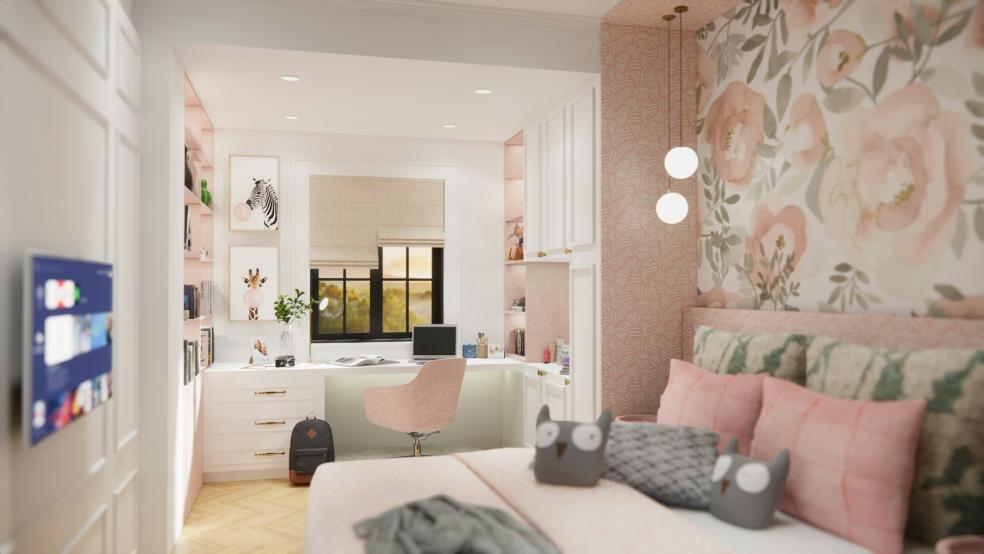
How to Create a Calmer Bedroom for Children: 9 Simple Changes to Try
A child’s bedroom has to work hard. It can be a place for sleeping, playing, reading, getting dressed, and storing an impressive collection of toys. With so much happening in one room, it can easily start to feel busy.
Creating a calmer bedroom doesn’t mean stripping away everything your child loves. A few practical changes can make the space feel cosier and easier to settle into at bedtime, without turning it into a room they barely recognise. Here are nine simple kids’ bedroom ideas to try.
Start With the Room’s Biggest Distractions
1. Clear Some of the Visual Clutter
Children collect things quickly, from toys and books to craft supplies and cuddly animals. When all of these belongings stay on display, even a tidy bedroom can look crowded.
Start with the areas your child sees from their bed. Put loose toys into baskets, move rarely used items elsewhere, and give everyday belongings a clear home. You don’t have to hide everything. Keeping a few favourite books, toys or photographs on display gives the room personality without filling every available surface.
If your child is old enough, involve them in the process. Ask which toys they want close at hand and which ones can live in a cupboard or storage box. They may find it easier to keep their room tidy when they know where things belong.
2. Soften the Colour Scheme rather than Redecorating
Bright colours can make a children’s room cheerful, but you don’t need several competing shades across the walls, bedding, furniture and accessories.
Look at the colours already in the bedroom and choose two or three that work well together. You might keep colourful bedding but use plainer accessories around it, for example. This approach also saves you from completely redecorating a perfectly functional room.
Make Bedtime Feel Different From Daytime
3. Control Outside Light and Make the Room Cosier
Light from street lamps, neighbouring homes and long summer evenings can make a bedroom feel less restful at bedtime. Curtains offer a simple way to control some of the outside light while adding softness around the window.
Choose curtains that suit the window and the amount of light you want to block. Blackout or lined options can be particularly useful in rooms affected by outside light. When choosing curtains and coordinating accessories, look for reputable retailers like Terrys Fabrics who offer high-quality options in different colours and bedroom styles.
Think about curtain safety too. Keep cords and chains from blinds or other window coverings out of children’s reach and follow the manufacturer’s fitting instructions.
4. Use Softer Lighting Before Bed
A bright main ceiling light makes sense when your child is building a tower, finding a missing sock or doing homework. It can feel harsh when bedtime arrives.
Introduce a softer bedside or wall light for the quieter part of the evening. You can switch off the main light while your child gets into pyjamas, listens to a story or chats about their day. The change in lighting also gives the room a noticeably different atmosphere without requiring a new bedtime routine.
Keep lamps, cables and bulbs safely positioned for your child’s age, particularly in bedrooms used by younger children.
Give Everything a Clear Purpose
5. Create a Dedicated Place for Quiet Activities
If space allows, give reading and other calm activities their own small corner. You don’t need a large bedroom or expensive furniture. A comfortable chair, floor cushion, or small selection of books beside the bed can work well.
Try not to overcrowd the area. Five favourite books within easy reach may prove more inviting than an overflowing shelf. You can rotate the selection occasionally to keep it interesting.
6. Move Lively Toys Away from the Bed
A bed surrounded by exciting toys can make the sleep area feel like an extension of the play area. Where possible, keep large toy boxes, electronic games and busy playthings on the opposite side of the room.
In smaller bedrooms, storage can create a sense of separation. Put toys into closed boxes or drawers before bedtime rather than leaving everything visible. The room can still support play during the day while looking noticeably quieter at night.
Pay Attention to Comfort
7. Keep the Bed Simple and Comfortable
Children’s beds can quickly accumulate cushions, toys and blankets. While these can look cosy during the day, more isn’t always better.
Keep the sleep setup appropriate for your child’s age and follow current safe-sleep guidance for babies and younger children. For older children, regularly clear out the collection of toys that tends to migrate into bed. A simpler setup also makes changing bedding and keeping the area clean much easier.
8. Check the Room Temperature and Airflow
A bedroom that feels stuffy, very warm, or chilly can be uncomfortable. Check how the room feels around bedtime rather than assuming its daytime temperature stays the same overnight.
Heating, sunlight and the season can all change the room. Adjust bedding and nightwear accordingly, and use ventilation safely where appropriate. Avoid positioning beds directly beside radiators or other heat sources.
Build Calm Into the Evening
9. Make Tidying Part of the Bedtime Transition
A huge tidy-up at the end of every day is unlikely to feel relaxing for anyone. A short reset is much more manageable.
Ask your child to return a few toys to their boxes, put dirty clothes in the laundry basket, and choose the book they want before getting into bed. Keep the job small and predictable. If the bedroom has straightforward storage, this can take only a few minutes.
The aim isn’t to create a spotless room every night. It’s simply to reduce the mess left around the sleep area and make the change from playtime to bedtime feel clearer.
A Calmer Bedroom Can Start With One Small Change
You don’t need a full makeover to create a calmer children’s bedroom. Start with the problem that causes the most disruption. This might mean reducing clutter, blocking unwanted outside light, changing harsh evening lighting, or finding a better home for toys.
Once that change becomes part of everyday life, tackle another. Small adjustments are easier for families to maintain, and they let children keep the colours, possessions and personality that make the bedroom feel like their own. A calm room should still look and feel as though a child lives there, just with a little less competing for their attention at the end of the day.