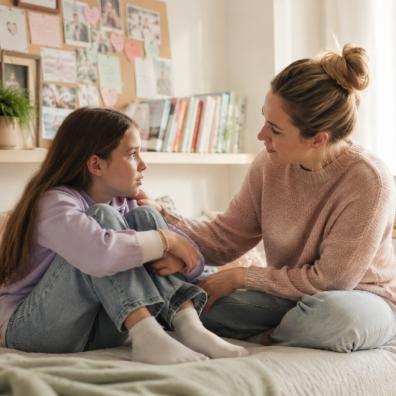
I don't know if it's just my daughter, but Year 4 seems to have unleashed a whole new level of friendship drama .
My son is in Year 6 and his friendships have always been fairly straightforward. They play football, they annoy each other, they argue... and then they move on.
My daughter, meanwhile, seems to be navigating a social world so complicated that even I struggle to...
Supporting children’s curiosity doesn’t require expensive tools or complex plans. Simple everyday actions like encouraging questions, allowing free play and exploring together can help children develop a lifelong love of learning.
How Can You Support a Child’s Curiosity?
You can support children’s curiosity by encouraging questions, allowing time for exploration, reducing over-...
Creative activities like drawing, storytelling and music help children learn more deeply by encouraging problem-solving, emotional expression and engagement. They support cognitive, social and emotional development, making learning more meaningful and memorable.
Why Are Creative Activities Important for Learning?
Creative activities help children learn by encouraging problem-solving...
Informal learning environments like museums, home activities and clubs play a key role in supporting children’s academic development. By encouraging curiosity, independence and real-world learning, they help children build deeper understanding and long-term academic confidence.
What Are Informal Learning Environments?
Informal learning environments are places outside the traditional...
There comes a stage in primary school when friendships start to feel very different.
In our house, we’ve slowly moved from carefree playground friendships and big groups of friends to smaller, tighter circles where the drama seems to happen more often. Little squabbles have turned into hurtful comments and confusing fallouts, and some evenings end with teary conversations at bedtime...
Academic failure can feel overwhelming for both children and parents, especially when emotions run high and confidence takes a knock. Offering calm, realistic parenting advice at these moments can make a huge difference. Whether it’s poor exam results, struggling with a particular subject, or a dip in confidence at school, setbacks are a natural part of learning. With the right support, these...
A child’s confidence is often shaped long before they step into a classroom or join a sports team. One of the most significant influences on a child’s self-esteem is the way parents communicate with them. Positive, supportive communication can help children develop a strong sense of self-worth, while negative or inconsistent communication may undermine their confidence.