
How Informal Learning Environments Support Academic Growth
Informal learning environments like museums, home activities and clubs play a key role in supporting children’s academic development. By encouraging curiosity, independence and real-world learning, they help children build deeper understanding and long-term academic confidence.
What Are Informal Learning Environments?
Informal learning environments are places outside the traditional classroom where children learn through experience, exploration and curiosity. These include museums, clubs, home activities and online platforms, all of which support academic growth in a more flexible and engaging way.
Education does not begin and end within the four walls of a classroom. Informal learning environments—such as museums, community groups, online platforms, and even everyday home activities—play a crucial role in shaping a learner’s academic journey. These spaces offer flexibility, curiosity-driven exploration, and real-world context, all of which contribute to deeper understanding and retention of knowledge.
Unlike formal education, informal learning is often self-directed. This autonomy encourages learners to take ownership of their development, making learning feel less like an obligation and more like a natural, engaging process. As a result, students often develop stronger motivation and a more positive attitude towards academic subjects.
How Do Informal Learning Environments Encourage Curiosity?
Encouraging Curiosity and Critical Thinking
One of the key benefits of informal learning environments is their ability to spark curiosity. Without the pressure of assessments or rigid curricula, learners are free to ask questions, experiment, and explore topics that genuinely interest them. This kind of engagement promotes critical thinking, as individuals learn to analyse information, make connections, and solve problems independently.
For example, a visit to a science centre can transform abstract concepts into tangible experiences. Similarly, participating in a coding club or reading group allows learners to apply theoretical knowledge in practical ways. These experiences not only reinforce classroom learning but also help develop transferable skills such as creativity, communication, and collaboration.
How Do Informal Learning Spaces Support Different Learning Styles?
Personalised and Inclusive Learning
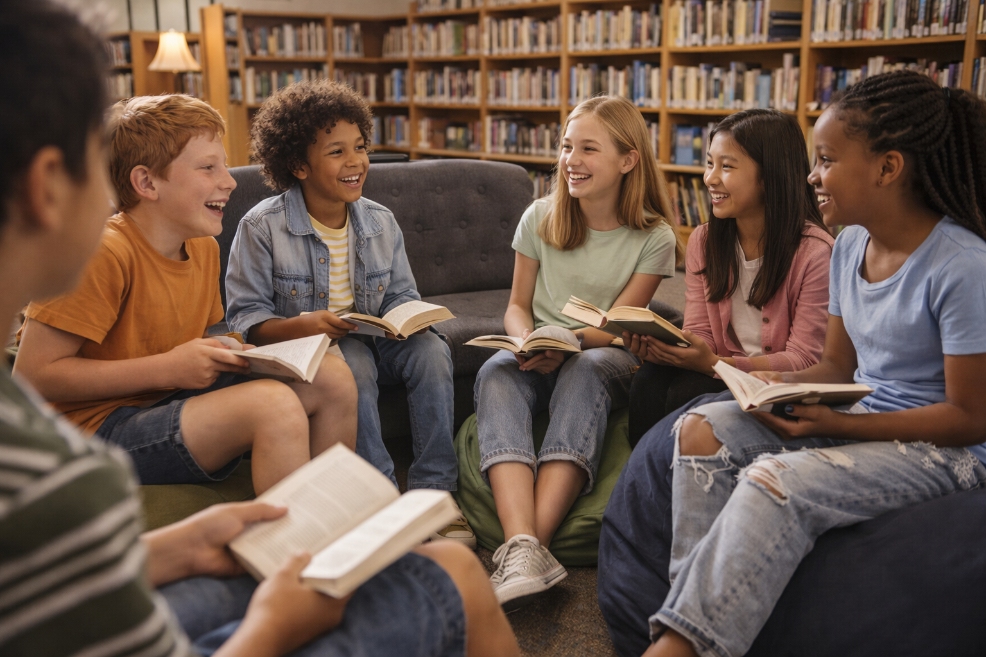
Informal learning environments are inherently adaptable. They cater to a wide range of learning styles, interests, and abilities, making them more inclusive than traditional educational settings. Whether through interactive exhibits, hands-on workshops, or digital resources, learners can engage with content in ways that suit them best.
This personalised approach is particularly beneficial for students who may struggle in conventional academic settings. By removing barriers and offering alternative pathways to understanding, informal learning helps build confidence and encourages lifelong learning habits.
How Do Informal Learning Experiences Connect to Real Life?
Bridging Theory and Practice
Another significant advantage is the opportunity to connect theoretical knowledge with real-world application. Informal settings often provide context that textbooks cannot. For instance, volunteering, internships, or even structured extracurricular activities can help students see how academic concepts are used in everyday life.
Many educational institutions, including some prep schools and private schools, recognise the value of these experiences and incorporate informal learning opportunities alongside their formal curriculum. This blended approach helps students achieve a more well-rounded education.
Can Informal Learning Improve Academic Performance?
Supporting Academic Achievement
While informal learning may appear less structured, its impact on academic performance is substantial. Studies have shown that students who engage in informal learning activities often demonstrate improved comprehension, better problem-solving skills, and increased academic confidence.
By fostering a love of learning and encouraging exploration, these environments complement traditional education. They help students build a deeper, more meaningful connection with their studies, ultimately supporting long-term academic success.

Why Informal Learning Is Essential for Modern Education
A Holistic Approach to Education
In an increasingly complex world, education must extend beyond memorisation and exams. Informal learning environments provide the space for growth, creativity, and discovery. When combined with formal education, they create a holistic learning experience that prepares students not just for academic achievement, but for life itself.
FAQs
What are examples of informal learning environments?
Examples include museums, libraries, clubs, home learning activities, online platforms and community groups.
Why is informal learning important for children?
It encourages curiosity, independence and deeper understanding, helping children engage more meaningfully with learning.
Does informal learning improve academic results?
Yes, it can support better comprehension, problem-solving skills and confidence, all of which contribute to academic success.
All images in this article have been generated using AI
More from: Education

Buster Honey Bee
Image