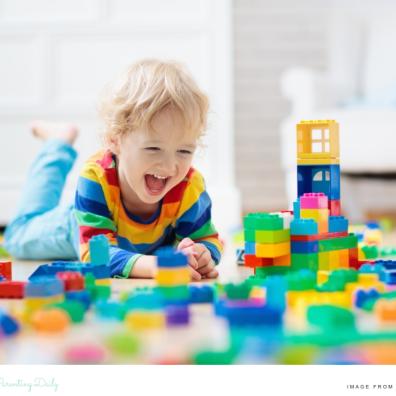
Long before your child can speak in full sentences, they’re already learning from the world around them. Colour is one of their first teachers. From the toys they reach for to the rooms they play in, the hues surrounding your little one shape how they think, feel and grow. Here’s why colour in child development deserves more attention in your child’s everyday environment than you might think...
Relocating with your family can be the fresh start that leads to a better life, but before that next chapter can really begin, there’s a whole heap of annoying but necessary admin to deal with. Paperwork piles up as soon as you start the process of moving abroad, and it’s just as important to get your kids’ documents in order as your own, if not more so. Here’s a look at which ones you’ll be...
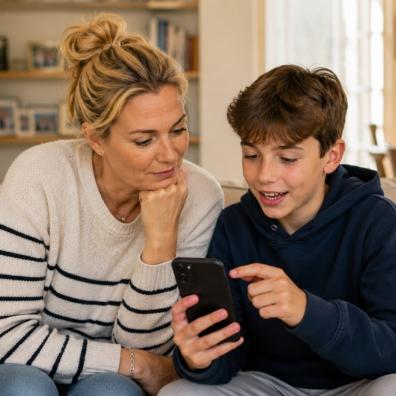
Last week my 11-year-old son casually dropped into conversation that he'd set up a WhatsApp Channel.
It wasn't a big announcement or some dramatic reveal. In fact, he seemed slightly confused by my reaction. Apparently some of his classmates had created their own channels, so he'd decided to have a go too.
My response was something along the lines of, "A WhatsApp what now...
I don't know if it's just my daughter, but Year 4 seems to have unleashed a whole new level of friendship drama .
My son is in Year 6 and his friendships have always been fairly straightforward. They play football, they annoy each other, they argue... and then they move on.
My daughter, meanwhile, seems to be navigating a social world so complicated that even I struggle to...
Unstructured outdoor play plays a crucial role in child development, helping children build confidence, creativity and problem-solving skills. As more families rethink education choices, many parents are recognising the importance of balancing academic learning with opportunities for free, child-led play.
Why Is Unstructured Outdoor Play Important for Children?
There comes a stage in primary school when friendships start to feel very different.
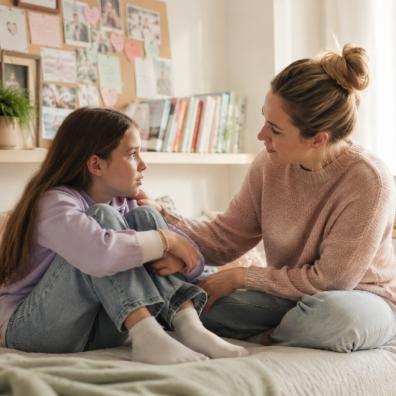
In our house, we’ve slowly moved from carefree playground friendships and big groups of friends to smaller, tighter circles where the drama seems to happen more often. Little squabbles have turned into hurtful comments and confusing fallouts, and some evenings end with teary conversations at bedtime...
When it comes to fostering effective learning in children, there is a delicate balance between providing guidance and allowing independence. Over-structuring can unintentionally limit creativity, problem-solving, and self-motivation. By adopting a more flexible approach, parents and educators can encourage children to take ownership of their learning while still offering essential support....
A child’s confidence is often shaped long before they step into a classroom or join a sports team. One of the most significant influences on a child’s self-esteem is the way parents communicate with them. Positive, supportive communication can help children develop a strong sense of self-worth, while negative or inconsistent communication may undermine their confidence.
In today’s world, children are growing up surrounded by screens , social media, and instant information. While technology offers incredible learning opportunities, it also presents unique challenges for developing critical thinking skills. Raising thoughtful thinkers in a digital age requires a balance between embracing technology and encouraging reflection, curiosity, and independent thought...