

8 Summer Activities That Combine Fun and Development for Your Kids
Summer’s here, and the children are bored by day three. The good news is the best summer activities for kids sneak in real developmental benefits while your child is having a brilliant time. Whether you’ve got a garden, a local park or just a bucket of water, these ideas are easy to set up and good for growing minds and bodies.
1. Sensory Bins
You don’t need much to make a sensory bin. A container, some filler and a bit of imagination will do the trick. Fill a large tub with uncooked rice, dried pasta or sand, then hide small toys or objects inside for your child to find. It’s simple, but this kind of play builds tactile awareness, hand strength and focused attention all at once.
Kids who find it hard to concentrate often do surprisingly well with sensory bins because their hands are busy and their brains follow. Keep it outside if you can because it can get messy in the best possible way.
2. Water Play
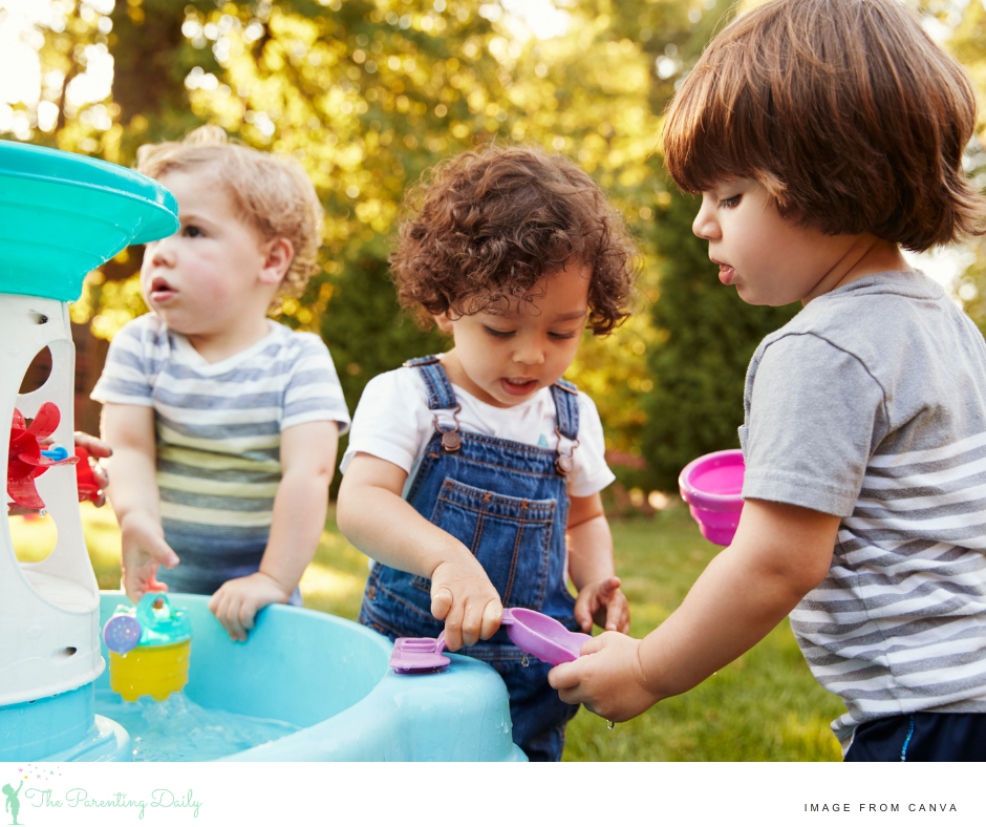
A paddling pool, a washing-up bowl or even a row of buckets is a perfect way to start water play. Let your child wash toys, pour between containers or just splash around freely. The pouring and scooping build fine motor control, and the back-and-forth of playing alongside others nudges social skills along.
There’s also a sensory regulation benefit here. Water has a calming effect on many children, especially on hot, overstimulating days. It’s one of those developmental activities for kids that feels like pure fun but does a considerable amount of good beneath the surface.
3. Outdoor Obstacle Course
Raid the garage and kitchen cupboards to find things like pool noodles, hula hoops, chalk, cushions and buckets. Lay out a course in the garden or on the driveway, and let your child run, crawl through and jump over it. Better still, let them design part of it themselves. Building the course can help develop problem- solving and spatial thinking. Running works on coordination, balance and body awareness. You can time it, change it up between rounds or make it sillier as you go. It rarely stays the same game for long, but that’s the point.
4. Nature Scavenger Hunt
Take a walk around the block, through a park or just around the garden, and give your child a list of things to find. A smooth stone, a purple flower, something that makes a sound and something soft are all relatively easy to locate to give them the confidence to continue. You can go by color, texture or category depending on their age. Scavenger hunts build observational skills, vocabulary and the ability to follow simple instructions. Older kids can draw what they find or sort their collection when they get home. It’s a low-cost, low-effort activity that gets them looking at the world around them.
5. Swimming
Swimming is one of the most complete developmental activities for kids available over the summer. It builds full-body strength, coordination and heart fitness. It also provides what’s sometimes called heavy work input, which is the kind of deep physical effort that helps children regulate their energy and mood. Many little ones who struggle to settle during the day can be noticeably calmer after a swim. Beyond the physical side, being in a new environment, following pool rules and interacting with other kids all add social and cognitive layers.
6. Sidewalk Chalk
Chalk is one of those things that keeps children busy for longer than you’d expect. Drawing, writing, tracing around each other’s bodies and making hopscotch grids all support fine motor development and hand-eye coordination in a way that feels like nothing like practice. In fact, play-based activities that involve gripping — like holding onto a ride at a park or a piece of chalk on the pavement — are essential for strengthening the hand and finger muscles necessary for
everyday tasks like writing or tying shoelaces.
For younger kids, just gripping and pressing the chalk starts building hand strength. For older ones, creating elaborate scenes or games adds planning and creative thinking into the mix. You don’t need to direct it too much. Give them chalk, point them at the pavement and see what happens.
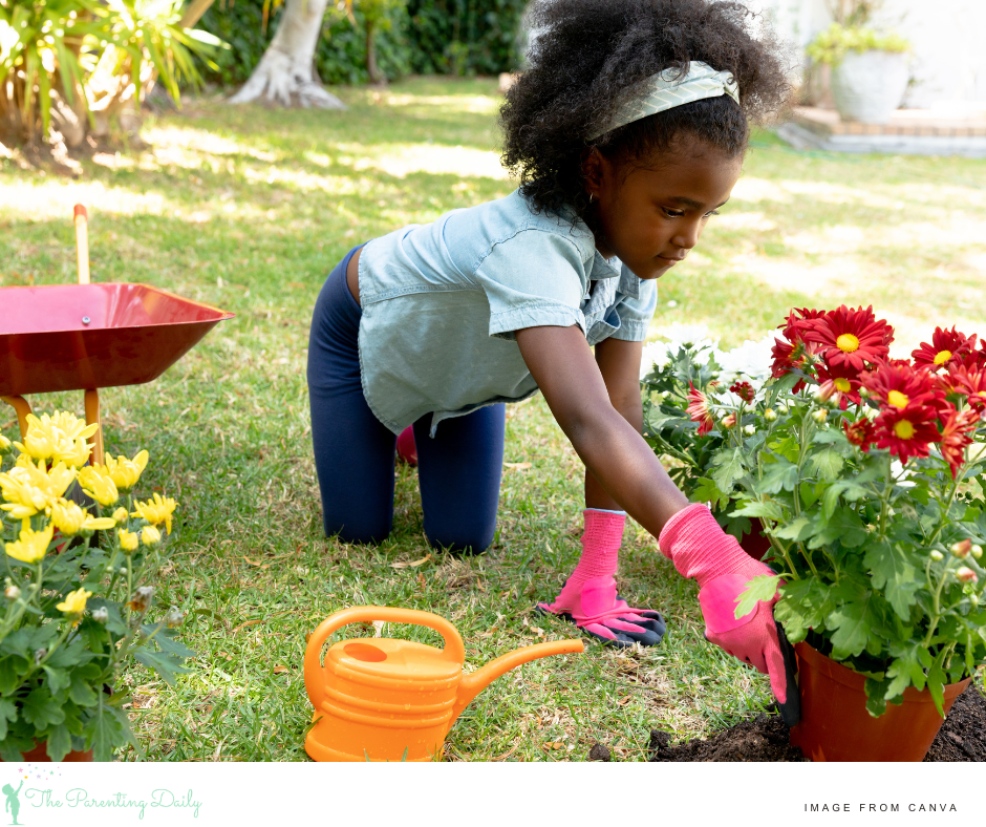
7. Gardening
Growing something slowly is actually great for your child’s development. Gardening teaches them to care for something over time, notice the small changes and connect effort with outcome. On a more practical level, digging, planting and watering all build hand and arm strength, and handling soil is a rich sensory experience for kids who are still getting comfortable with different textures.
Start small with a few herb pots or a single tomato plant on the windowsill, which works just as well as a full garden bed. The satisfaction of seeing something grow is very real, even for children who are usually hard to impress.
8. Cooking Simple Recipes
Baking a batch of biscuits or putting together a simple salad involves more developmental work than it looks like. Measuring builds early numeracy. Following a sequence of steps builds working memory. Stirring, rolling and cutting build fine motor strength. The whole thing takes place in a real-world context that kids find motivating, especially when
they get to eat the result. Keep the tasks age-appropriate, and let your child lead where you can. Even if the biscuits come out a bit odd, that’s a lesson in itself.
Summer’s in the Sensory Bag
None of these activities requires a big budget or a packed schedule. The common thread across them is that children learn best when they’re moving, exploring and doing, and summer is one of the best opportunities you get to let that happen naturally. Pick a couple that suit your child and your week, and don’t worry too much about the rest. The
mess, the noise and the slightly chaotic afternoons are where a lot of good stuff happens.