

How to Nurture Independence in Children
Encouraging independence in children is a crucial part of their development. Independent children tend to be more confident, resilient, and capable of making thoughtful decisions as they grow. While every child develops at their own pace, there are practical strategies parents and caregivers can use to foster self-reliance from an early age.
Independence develops gradually through small, consistent opportunities to practise responsibility and decision-making in a supportive environment.
Start with Small Responsibilities
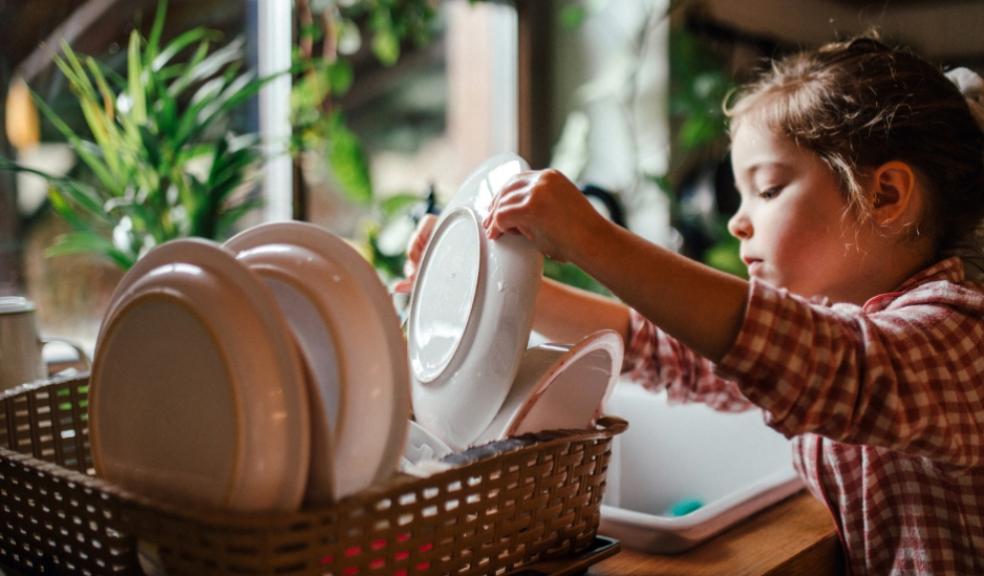
One of the most effective ways to nurture independence is by assigning age-appropriate tasks. Even young children can begin with simple responsibilities, such as tidying up their toys or helping set the table. These small acts give children a sense of accomplishment and reinforce the idea that they can contribute meaningfully to daily life.
As they grow, responsibilities can gradually become more complex, encouraging them to manage their own routines and take ownership of their actions. For example, primary-aged children might pack their school bag or prepare their PE kit with guidance, while older children can manage homework schedules more independently.
Building independence works best when responsibility increases slowly and consistently.
Encourage Decision-Making
Allowing children to make choices helps build confidence and critical thinking skills. Start with simple decisions, such as picking their own clothes for the day or choosing between two snack options. Over time, involve them in more significant decisions, including planning a family outing or organising aspects of their school projects.
When children are trusted to make decisions, they learn to weigh options and consider consequences. This strengthens their problem-solving abilities and helps them feel valued within the family.
Offering structured choices — rather than unlimited options — can help children feel empowered without becoming overwhelmed.
Foster a Growth Mindset
Children who feel capable are more likely to embrace independence. Praise effort rather than just results, and encourage them to see mistakes as learning opportunities rather than failures. A growth mindset teaches children that challenges are a natural part of life and that perseverance leads to improvement.
By modelling patience and resilience yourself, you demonstrate that it is okay to try, struggle, and try again. This approach supports emotional resilience alongside practical independence.
Confidence grows when children understand that mistakes are part of learning.
Provide Guidance, Not Control
Nurturing independence does not mean leaving children entirely to their own devices. Offer guidance and support when needed, but avoid micromanaging every step. Ask open-ended questions that encourage them to think through solutions instead of immediately providing answers.
For example, asking “What do you think you could try next?” helps children practise independent thinking while still feeling supported. This approach allows children to build confidence in their abilities while knowing they have a safety net if things do not go as planned.
Balanced support is often more effective than constant direction.
Encourage Self-Care Skills
Independent children are more confident when they can take care of themselves. Teaching skills such as dressing, preparing simple meals, managing personal hygiene, and organising their belongings instils a sense of autonomy.
These practical abilities reduce dependence on adults and prepare children for increasing responsibility as they move through primary school and beyond. Mastering self-care skills also strengthens self-esteem.
Practical life skills are a foundation for long-term independence.
Celebrate Achievements
Finally, celebrate your child’s successes, no matter how small. Recognition reinforces positive behaviour and motivates them to continue striving for independence. Encouragement builds self-esteem and helps children understand the value of taking responsibility for their actions.
Celebrating effort — rather than perfection — supports lasting confidence.
Fostering independence in children is a gradual process that requires patience, consistency, and support. By providing opportunities for responsibility, encouraging decision-making, and promoting self-reliance, you help your child develop into a confident, capable, and resilient individual ready to navigate the challenges of life.
FAQs
1. At what age should children start learning independence?
Independence can begin in early childhood through simple tasks and choices, gradually increasing as children grow and gain confidence.
2. How can I encourage independence without overwhelming my child?
Start with small, age-appropriate responsibilities and offer guidance without micromanaging. Increase responsibility gradually.
3. Why is independence important for children?
Independence supports confidence, resilience, decision-making skills and emotional wellbeing, helping children navigate challenges more effectively.