


Why Creative Activities Support Learning
Creative activities like drawing, storytelling and music help children learn more deeply by encouraging problem-solving, emotional expression and engagement. They support cognitive, social and emotional development, making learning more meaningful and memorable.
Why Are Creative Activities Important for Learning?
Creative activities help children learn by encouraging problem-solving, improving understanding and supporting emotional development. They make learning more engaging and help children retain information more effectively.
Creative activities do far more than simply entertain—they help learners engage with ideas on a deeper level. When children draw, build, write stories or experiment with music, they are not just expressing themselves; they are actively processing information. Creativity encourages learners to make connections between concepts, which strengthens understanding and retention. Rather than memorising facts, they begin to explore why things work the way they do, leading to more meaningful learning outcomes.
How Do Creative Activities Improve Problem-Solving Skills?
Encouraging Problem-Solving Skills
One of the most valuable benefits of creative activities is their ability to develop problem-solving skills. Whether it’s figuring out how to construct a model, compose a piece of writing, or complete an art project, learners are constantly making decisions and adapting their approach.
This trial-and-error process builds resilience and teaches them that mistakes are part of learning. Over time, this mindset translates into greater confidence when tackling academic challenges.
How Do Creative Activities Support Emotional Development?
Supporting Emotional Development
Creativity also plays a key role in emotional wellbeing. Activities such as painting, drama, or creative writing provide a safe outlet for expressing feelings and experiences. This is particularly important for younger learners who may struggle to articulate emotions verbally.
By engaging in creative tasks, they can process emotions in a healthy way, which supports both mental health and overall development. A balanced learning environment often recognises that emotional growth is just as important as academic success.

Why Do Creative Activities Increase Engagement in Learning?
Enhancing Engagement and Motivation
Traditional learning methods can sometimes feel repetitive or restrictive. Creative activities introduce variety and excitement, making learning more enjoyable. When students are interested and engaged, they are far more likely to participate actively and retain information.
For example, turning a history lesson into a role-play exercise or using art to explore scientific concepts can transform how learners experience education. This sense of enjoyment fosters intrinsic motivation, encouraging learners to take ownership of their progress.
How Do Creative Activities Build Communication Skills?
Building Communication and Collaboration
Many creative activities involve working with others, whether through group projects, performances, or shared ideas. These experiences help learners develop essential communication and collaboration skills.
They learn to listen, share perspectives, and contribute to a collective goal. Such skills are invaluable not only in education but also in later life, where teamwork and effective communication are key.
Why Creativity Matters in Education Today
A Holistic Approach to Education
In many educational settings, there is a growing emphasis on integrating creative activities into the curriculum to support well-rounded development. This approach recognises that creativity enhances traditional academic learning rather than competing with it.
By combining structured teaching with opportunities for creative exploration, learners benefit from a more balanced and enriching educational experience.
How Do Creative Activities Prepare Children for the Future?
Preparing for the Future
In a rapidly changing world, creativity is increasingly recognised as a crucial skill. Employers value individuals who can think innovatively, adapt to new situations, and approach problems from different angles.
By embedding creative activities into learning from an early age, educators help prepare learners for future challenges. Creativity fosters curiosity, flexibility, and a willingness to explore—qualities that are essential in both academic and professional environments.
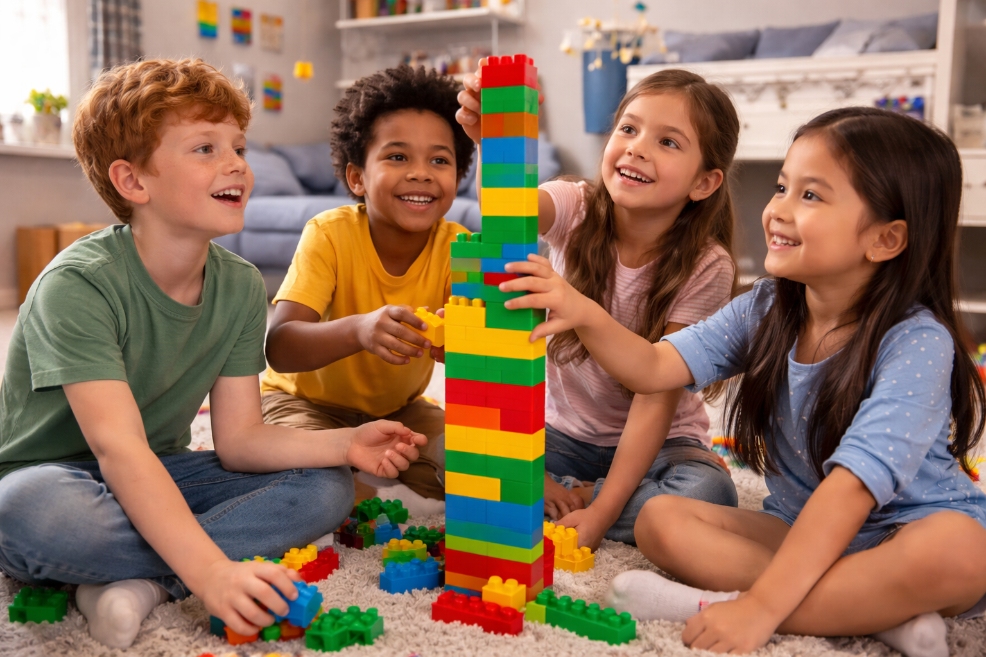
Why Creative Activities Are Essential for Learning
Creative activities are not an optional extra; they are a fundamental part of effective learning. By supporting cognitive, emotional, and social development, they help learners thrive in a way that traditional methods alone cannot achieve.
FAQs
What are examples of creative learning activities?
Examples include drawing, storytelling, music, drama, building models and role play.
Why do creative activities help children learn?
They help children process information, make connections and stay engaged, improving understanding and memory.
Do creative activities improve academic performance?
Yes, they support problem-solving, confidence and engagement, all of which contribute to better learning outcomes.
All images in this article have been generated using AI