

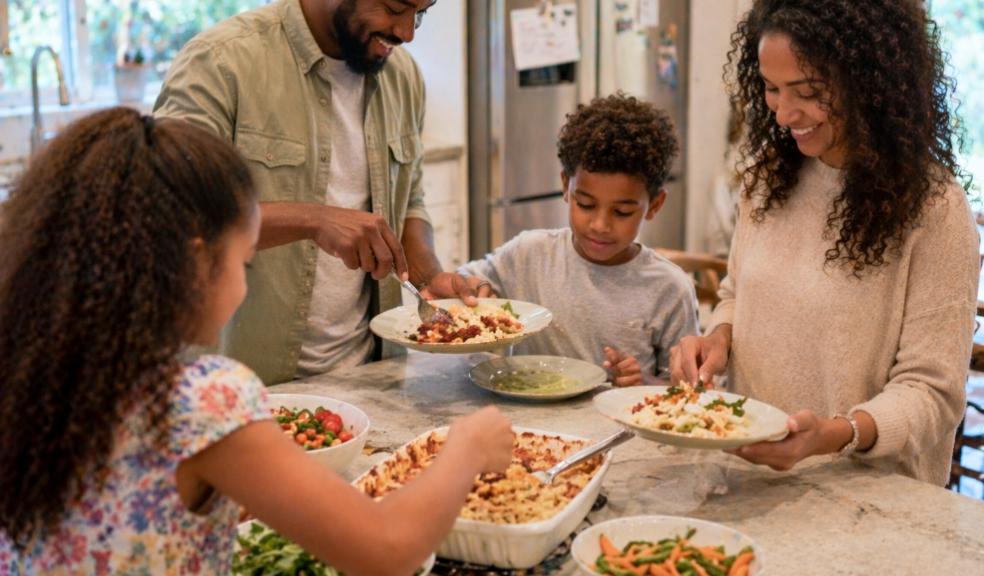
The Importance of Having Meals Together as a Family
As a parent, you know the challenges that come with mealtime. Whether you have picky eaters or busy schedules that don’t always align, it can be easy to eat on the go or opt for quick, easy solutions. However, eating at least one meal together every day can be a great way to bond as a family. Here’s why mealtime is so important and how to make it work for your family.
Why Family Meals Matter
When you hear “family meals,” you might picture a full table with everyone seated and smiling. Real life rarely looks like that, though. The importance of having meals together as a family is simpler than it may seem. It comes down to shared time and shared food.
A family meal can be dinner, breakfast before school and work, or toast and fruit after football practice. What matters is that you come together with intention, even if the menu is basic and the day has felt chaotic.
If you have 10 minutes, use 10 minutes. If all you have is five minutes, that’s okay too. This still supports the importance of having meals together as a family because the win is being together. Think of it like a quick reset. You sit together and eat, chatting about your days and actively listening to one another. This can shift the tone of your entire day.
Keep the bar low. Cereal on the table counts, so do leftovers. A “fend for yourself” night can still become a shared experience if you all eat together in the same room. It’s like a mini ritual.
The Everyday Benefits
The importance of having meals together as a family often shows up in small daily changes that feel surprisingly big. You might notice that interactions start to feel smoother, you feel more connected to your family and each family member feels seen.
Family meals help with connection and support steadier eating habits. They can even make evenings feel less scattered. None of this needs perfection. Instead, you need to be repetitive enough that family meals become a healthy habit. Here are some changes you might see.
Better Conversation and Connection
Kids often chat while they’re doing something else or talk over one another. A meal lets them multitask because their hands are busy, their eyes can wander and the pressure stays low. It’s also helpful for talking over each other, since there are adults there to guide the conversation.
You also get a natural check-in that doesn’t feel like an interview. You can ask about one good thing from today, or something weird that happened or who sat next to them at lunch. Small prompts work best.
Over time, you may notice patterns. You can pick up on worries and wins early, which is a huge part of the importance of meals together as a family. You get easier access to your child’s world.
Steadier Eating Habits
If you’ve ever served dinner and immediately heard a dramatic “I’m not hungry,” you’re not alone. Regular meals together don’t magically remove picky phases, but they do change the atmosphere around food. The table becomes a routine place rather than a battlefield.
When kids see you eating a range of foods, they get exposure without a lecture. When meals happen at roughly the same time most days, hunger cues start to line up better. Guidelines for parents suggest providing at least three well-balanced meals per day, alongside healthy snacks, which helps prevent random snacking at 4 p.m. and far fewer meltdowns at 6 p.m. because everyone’s running on fumes.
A helpful approach is to keep choices predictable. Have one or two familiar items available, along with one “sometimes” food and one option that changes each time.
A Calmer House
Family meals can act like a line in the sand between day mode and home mode. You all pause, refuel and regroup together. That pause often makes the rest of the evening feel less jagged.
It helps with the emotional tone, too. When everyone’s in different rooms, eating in the house separately can feel like four different storylines playing at once. When you eat together, you sync up more. Then, homework and bath time tend to feel more manageable.
Some nights will still be loud and chaotic. You’ll likely still have someone asking for ketchup right as you’re about to take your first forkful, but the difference is that you shared a reset first.
What Gets in the Way and How to Work Around It
While the idea of eating together as a family is lovely, your schedule might still be brutal. Work could run late, after-school activities stack up, and one kid eats at toddler speed while the other eats like they’ve got a bus to catch. So, if you’ve struggled to make family meals happen, there are a few solutions you can try.
If everyone eats at different times because of their schedules, try something to anchor you, even if it’s just a shared starter. This will occur at the same time, regardless of the main meal. The late eater can then heat their plate when they’re ready and still join the table’s energy.
If you have a picky eater, start with one safe food you know they will eat and then one shared family food. Even if they only touch it, you can count it as a win toward exposure. Try to keep your language neutral around food, too. You can say, “This is what we’ve got tonight,” and move on without negotiating or making a big deal. Even if they only take a tiny nibble, that’s great.
Sometimes the barrier is money. If this is the case, think in simple building blocks. All you need is a carb, a protein, and a fruit or veg. This could be baked potatoes with beans, pasta with meatballs, eggs with toast or frozen veg stirred into whatever you’re already cooking.
Making Mealtimes Matter
Family meals don’t need to be nightly or picture-perfect to do their job. When you sit down together, even for something simple, you’re giving your home a repeatable pause, a tiny checkpoint and a bit of shared ground. Aim for what’s doable for your family so it doesn’t overwhelm you and allow the magic to unfold.
Frequently Asked Questions About Family Meals
Why are family meals important for children?
Family meals help children feel connected, supported, and heard. They provide a regular opportunity for conversation, emotional check-ins, and modelling healthy eating habits.
How often should families eat together?
There’s no perfect number. Even a few shared meals a week can make a difference. The key is consistency and making it a regular, low-pressure part of family life.
Do family meals need to be dinner?
Not at all. Breakfast, lunch, or even a quick snack together all count. What matters most is the shared time, not the type of meal.
How can I manage family meals with a busy schedule?
Start small. Even 5–10 minutes together counts. You could share a simple meal, sit together for part of the meal, or create a routine like a shared starter.
What if my child is a picky eater?
Family meals can actually help with picky eating over time. Keep the environment relaxed, offer at least one familiar food, and avoid pressure. Exposure is more important than perfection.
Can family meals really improve behaviour and mood?
Yes — regular shared meals can create a sense of routine and calm, helping children feel more secure and connected, which often leads to smoother evenings overall.