

Helping Children Develop Problem-Solving Skills
Problem-solving is an essential skill that children need to navigate challenges, make decisions, and build confidence. Encouraging children to think critically and approach problems creatively not only supports their academic growth but also equips them for real-life situations. Here’s how parents and educators can help children develop strong problem-solving abilities.
Encouraging Curiosity
Curiosity is the foundation of problem-solving. When children are encouraged to ask questions and explore “why” and “how,” they begin to see challenges as opportunities rather than obstacles. Simple activities such as exploring nature, experimenting with science kits, or even asking thought-provoking questions at home can spark curiosity. By fostering an inquisitive mindset, children learn to seek solutions and think independently.
Teaching Step-by-Step Thinking
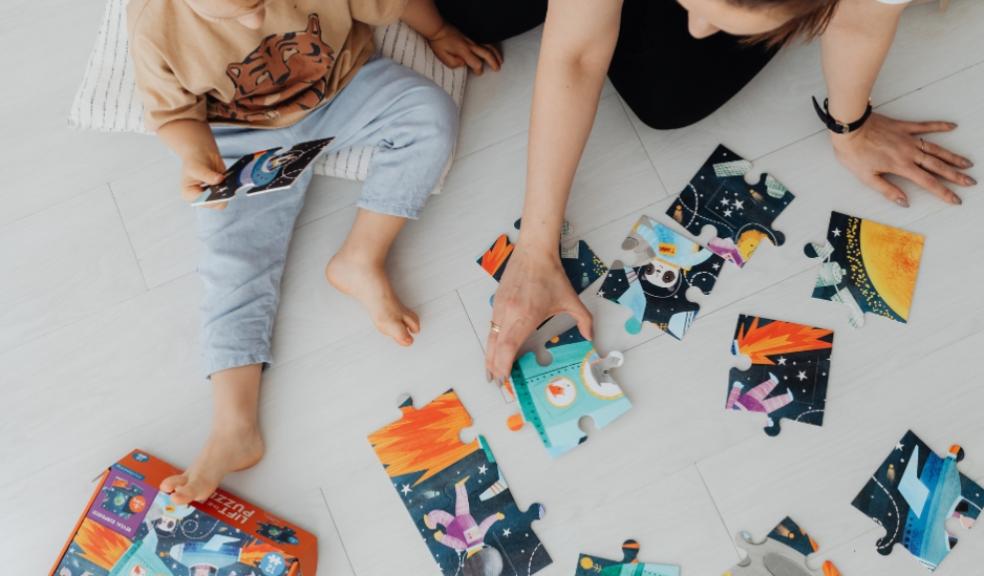
Problem-solving is easier when children learn to break down complex challenges into manageable steps. For example, if a child is building a puzzle, encourage them to start by sorting pieces by colour or shape before assembling the full picture. Similarly, in everyday situations, guiding children to identify the problem, brainstorm possible solutions, and evaluate the outcomes helps them develop a structured approach to problem-solving.
Encouraging Creative Solutions
Children often benefit from learning that there can be multiple ways to solve a problem. Creative activities such as arts and crafts, imaginative play, and building projects provide opportunities for them to experiment with different approaches. Encouraging children to think outside the box teaches flexibility and adaptability—key aspects of effective problem-solving. Praise their effort and originality, even if the solution isn’t perfect, to reinforce the value of creative thinking.
Promoting Teamwork
Problem-solving doesn’t have to be a solitary skill. Working collaboratively with peers, siblings, or adults helps children see different perspectives and develop communication skills. Group activities, such as building a structure together or completing a class project, teach children to negotiate, listen, and combine ideas. These experiences highlight that many problems can be solved more effectively when approached collectively.
Allowing for Mistakes
An important part of problem-solving is learning from failure. Children should understand that mistakes are not setbacks but opportunities to learn. When a solution doesn’t work, guide them to reflect on why it didn’t succeed and what they might try differently next time. This approach fosters resilience and perseverance, building confidence in their ability to tackle challenges independently.
Making Problem-Solving a Habit
Finally, problem-solving should be integrated into daily life. Encourage children to plan their schedules, make simple decisions, or solve minor household problems. By embedding problem-solving into everyday experiences, children naturally develop confidence, critical thinking, and independence.
Helping children develop problem-solving skills is a journey that combines curiosity, creativity, reflection, and support. By providing opportunities for exploration, encouraging independent thinking, and celebrating effort, parents and educators can nurture children who are resilient, resourceful, and ready to face challenges with confidence.