Setting Up Homework Stations That Actually Work
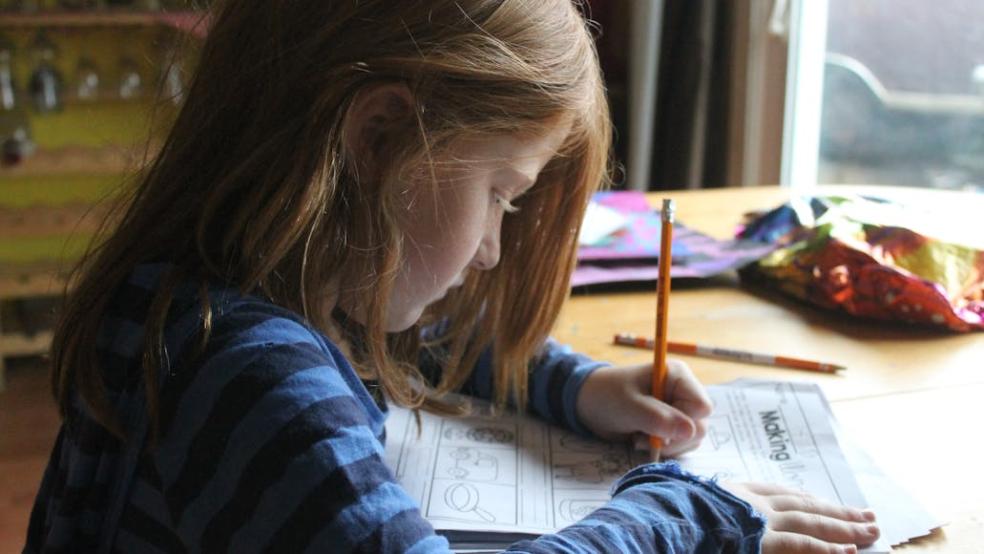
Creating a dedicated homework space for children can make after-school routines feel less like a struggle and more like a productive learning session. A thoughtfully arranged area helps reduce stress and encourages children to focus on their work. This makes homework time smoother for everyone at home. Many families notice that dining tables quickly become cluttered with school materials during term time.
Finding the right balance between accessibility and minimal distractions remains a challenge for families across the UK. The proper setup requires careful planning of everything from appropriate supplies to the physical environment itself. When dining areas or living rooms double as study spaces, clutter can build up quickly. Parents often find that without a dedicated area, homework materials get mixed up with everyday household items.
With planning and the right educational resources, even the smallest homes can accommodate homework stations that support learning and independence.
Why dedicated homework spaces matter for academic success
Children benefit from routine and consistency, and a dedicated homework area can help them get into the right mindset for learning. Having a regular spot to work signals to their brain that it's time to focus. This makes it easier to transition from play to study.
Many UK parents face common challenges when creating homework spaces. Limited room in smaller homes tops the list, followed by managing distractions in busy households. Springboard Supplies provides school supplies and storage options that address space and organisation needs in educational settings.
A calm, organised study space can help children feel less anxious about homework and more confident in their abilities. When children know where their supplies are kept, this predictability reduces frustration around homework time. Background interruptions like siblings talking or the TV can make it harder for children to concentrate.
Essential components of an effective homework station
Furniture forms the foundation of any successful homework station. For children aged 5-7, furniture should be sized so feet rest flat on the floor with knees at a right angle. This helps prevent awkward posture and supports comfortable learning. Parents can check if a child sits with feet flat and arms relaxed when using the workspace.
Lighting reduces eye strain and helps maintain focus. A desk near a window lets children use natural light for reading and writing. During winter months when daylight fades early, a desk lamp with a warm white LED bulb helps with evening tasks.
Storage solutions keep school supplies accessible yet organised. Simple systems work best, such as clear containers labelled by category like writing tools, art supplies, and maths equipment. This system teaches children to take responsibility for their materials while preventing the frustration of missing items.
Technology considerations vary depending on age and homework requirements. While digital tools can support learning, they also present potential distractions. For younger children, keeping devices out of sight unless specifically needed helps maintain focus.
Managing noise is important for households with more than one child working in shared spaces. Some families report better results with simple earplugs or white noise machines when siblings have overlapping homework sessions. Regular check-ins about noise preferences help children express what allows them to concentrate.
Must-have school supplies for different age groups
Foundation Stage and Key Stage 1 children aged 4-7 require supplies that help achieve early learning goals. Primary schools across the UK often provide large HB pencils with triangular grips for younger pupils. These help teach the correct tripod grip and make writing less tiring for smaller hands.
Thick colouring crayons or wax blocks support mark-making and build hand muscle strength. Children develop these skills through daily phonics and early writing activities. To encourage independence, picture labels on storage tubs help children recognise where to return each item without assistance.
Key Stage 2 students aged 7-11 need tools that support growing independence. Essential items include pencils, erasers, rulers, coloured pencils, and a good quality pencil sharpener. A small dictionary and thesaurus become helpful as writing assignments grow more challenging.
Creating homework routines that complement the space
A consistent homework schedule helps build strong study habits through routine and predictability. Children who complete homework at the same time daily often experience better focus and less resistance to starting tasks. This approach reduces procrastination because children learn when to expect homework and what comes next.
Useful transition techniques help children shift from school to homework mode. A healthy snack, brief physical activity, or 15 minutes of free play can help reset attention spans before tackling assignments. Some families find that changing clothes or washing hands serves as a helpful mental signal.
Managing homework for multiple children in shared spaces can challenge even the most prepared families. Many primary school children struggle with distractions when siblings complete homework in the same room. Some families use colour-coded desk mats to provide clear boundaries between work areas.
Having children take part in maintaining their homework station encourages ownership and responsibility. Weekly organisation sessions where supplies are checked and replenished teach important life skills. Even young children can participate by sorting pencils or putting papers in designated folders.
Troubleshooting common homework station problems
Limited space in UK homes often presents the biggest challenge when creating homework stations. A popular idea in modern flats involves using wall-mounted folding desks, which can be stowed away after use. Some families create homework nooks under the stairs, adding shelves and a small chair for an unobtrusive study zone.
Underbed storage drawers let parents keep school supplies organised and out of sight when not in use. Repurposing existing furniture is also common. For instance, a side table in a child's bedroom can double as a compact writing desk in homes where space is limited. These adaptations come from families in UK cities who recommend tailoring homework setups to fit British homes.
Children with different learning styles or needs may require custom approaches. Visual learners benefit from colour-coded supplies and clear workspace boundaries. Kinesthetic learners might need fidget tools or standing desks that allow movement while working.
Seasonal adjustments are needed as daylight hours change throughout the school year. During winter months, additional lighting prevents eye strain during early evening homework sessions. Summer brings different challenges, with warmer temperatures potentially affecting concentration.
Well-arranged homework stations set up with the right school supplies can make a noticeable difference to children's learning experience at home. The right environment, combined with consistent routines, helps children achieve academic success while teaching organisational skills that will benefit them throughout their education.
More from: Education

Buster Honey Bee
Image