
Why scabies symptoms often appear at the end of January
Derbac M sales increase by over 1,500% every January as UK families face post-Christmas rise in skin complaints
-
Five years of sales data reveal repeated spikes after school holidays as households return to school and work
-
This pattern repeats after Easter, summer holidays and October half-term, showing a predictable seasonal spike
-
Derbac M offers consumers a reliable treatment option, suitable for people who suffer from asthma and sensitive
An analysis of five years of Derbac M sales data reveals a sharp and consistent 1,500% surge in January, as families seek support for sudden-onset itching and irritation in the weeks following the Christmas break — a pattern that regularly affects family life with children after busy school holidays.
With January now underway, sales data shows the UK is currently in the peak period for scabies treatment demand, typically occurring three to five weeks after Christmas.
This seasonal pattern appears after Easter, the summer holidays and October half-term, suggesting sales of the UK’s only malathion treatment for scabies, lice and mites is driven by periods of extended family contact and festive mixing.
Scabies symptoms can take four to six weeks to become clear after initial exposure. Because early signs often resemble eczema or winter skin irritation, many experiencing scabies only seek advice from a pharmacist or GP once their symptoms become more noticeable or spread across multiple family members.
Samantha Ross, Senior Product Manager at Lanes Health said: “January is one of our busiest months for sales of Derbac, as demand rises sharply just after the Christmas period. This reflects how easily scabies can spread when we’re interacting with more people.
“As the immediate symptoms of scabies can look similar to eczema and dry skin conditions, there can be a delay in seeking treatment, but by the time households return to school and work, they will notice several members becoming itchy at once.”
Derbac M returned to shelves in recent years following strong demand from both consumers and pharmacists seeking a familiar, effective treatment option.
To treat scabies, Samantha Ross explains: “It’s important to apply the treatment to the entire body surface, not just the affected areas and repeat after one week. All clothes and bedding need to be washed, and anyone you have been in close proximity to also need to treat themselves.”
“Derbac M is the only malathion treatment available in the UK, and its return was driven by strong consumer and pharmacy demand. We want to ensure people know they can now access a reliable and effective treatment option for scabies again.”
A Parent’s Guide from The Parenting Daily
Scabies can be worrying for families, particularly because early symptoms often look similar to eczema, dry skin or other common winter skin complaints. Clear information and early advice play an important role in supporting children’s wellbeing and helping families feel reassured. Many parents don’t initially realise what’s causing the irritation, especially when symptoms appear gradually.
Parents may want to look out for:
-
Persistent itching, especially at night
-
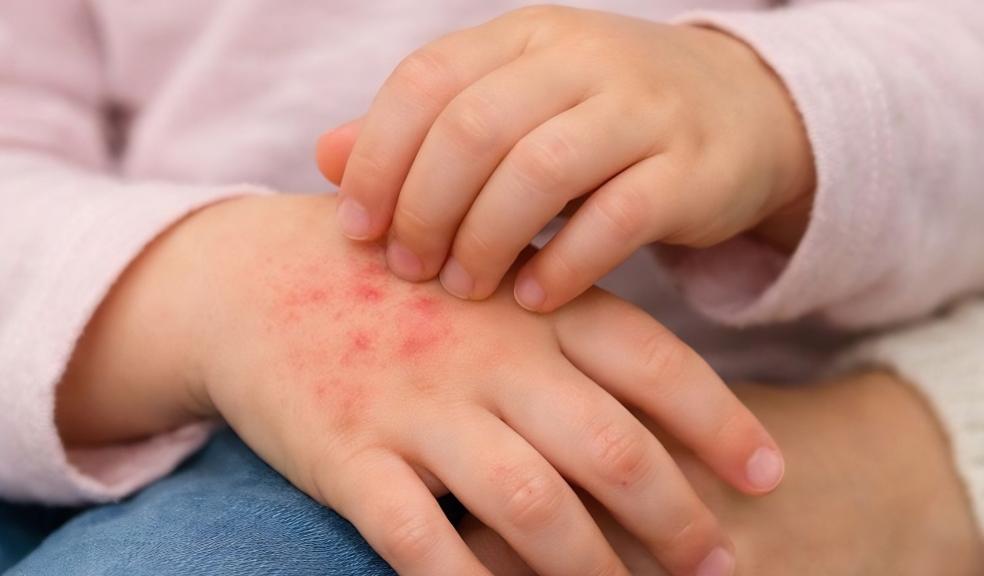
Small red bumps, rashes or scratch marks
-
Symptoms appearing across more than one family member
-
Irritation around wrists, fingers, elbows, waist or torso
Because scabies symptoms can take several weeks to show after exposure, it’s not unusual for families to only recognise a problem once routines resume after school holidays.
Treatment usually involves applying medication to the whole body, not just visible patches, repeating treatment after one week, and washing bedding and clothing thoroughly. Close contacts often need to be treated at the same time to reduce the risk of reinfection.
When to seek advice:
If symptoms persist, spread, or multiple family members become itchy at once, it’s a good idea to speak to a pharmacist or GP. They can help confirm whether symptoms may be scabies or another skin condition and advise on appropriate treatment.