
How to Nurture Independence in Children
Helping children become independent is one of the most valuable gifts we can offer them. Independence builds confidence, resilience, and the ability to make thoughtful decisions. It doesn’t happen overnight, but with small, consistent steps, children learn to trust their own abilities and approach life with curiosity and courage. Here are some practical ways to nurture independence at home and beyond.
Encourage Age-Appropriate Responsibilities
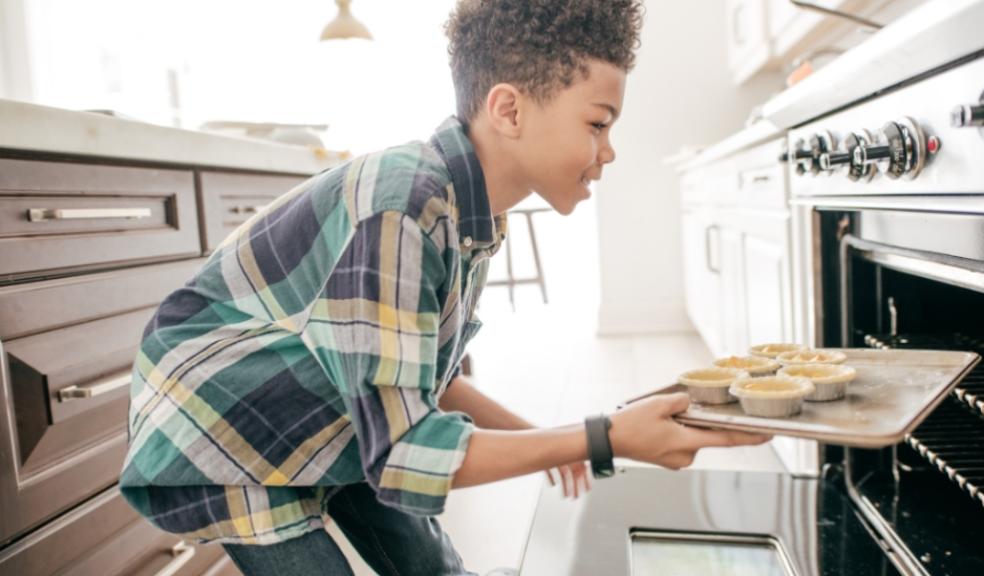
Giving children responsibilities teaches them that they play an important role in family life. Simple tasks such as tidying toys, helping set the table, feeding a pet, or sorting laundry allow younger children to develop a sense of ownership. As they grow, these responsibilities can gradually increase, from making their own snacks to organising their school bag or taking part in household chores. The key is to match tasks to their age and ability, so they feel challenged yet capable.
Allow Space for Decision-Making
Academic institutions suggests that independence develops when children feel empowered to make choices. Offer them opportunities to decide between two or three options, whether it’s choosing their outfit, selecting a weekend activity, or deciding how to decorate their room. These small decisions build their confidence and help them understand consequences in a safe, supportive environment. For older children, involving them in family discussions or planning helps them feel respected and valued.
Embrace Mistakes as Learning Opportunities
Mistakes are a natural part of growing up. Rather than stepping in immediately or correcting every error, allow your child to try, fail, and try again. This builds resilience and encourages problem-solving skills. If your child is struggling with a task, offer guidance rather than solutions. A simple, “What do you think you could try next?” can prompt them to reflect and find their own way forward.
Foster Routines That Promote Self-Reliance
Routines provide structure and predictability, helping children learn what’s expected of them. A morning routine where they pack their school things, get dressed, and prepare their own breakfast (with supervision) instils a sense of control over their day. Similarly, an evening routine that includes tidying their room, laying out clothes for the next day, or reading independently supports self-management skills. Over time, these habits become second nature.
Encourage Play and Exploration
Unstructured play is essential for developing independence. When children create games, explore outdoors, or immerse themselves in imaginative play, they learn to make decisions, manage risk, and solve problems. Give them time and space to play freely without too much adult direction. Outdoor play, especially, builds resilience and encourages children to take measured risks, such as climbing a tree or balancing on a log, helping them understand their limits in a healthy way.
Model Independent Behaviour
Children learn by observing, so modelling independence is a powerful tool. Show them how you plan your day, solve problems, or manage your responsibilities. Talk through simple decisions, such as budgeting for groceries or preparing for an event, so they can see independence in action. When children see adults handling challenges calmly and confidently, they are more likely to adopt similar behaviours.