

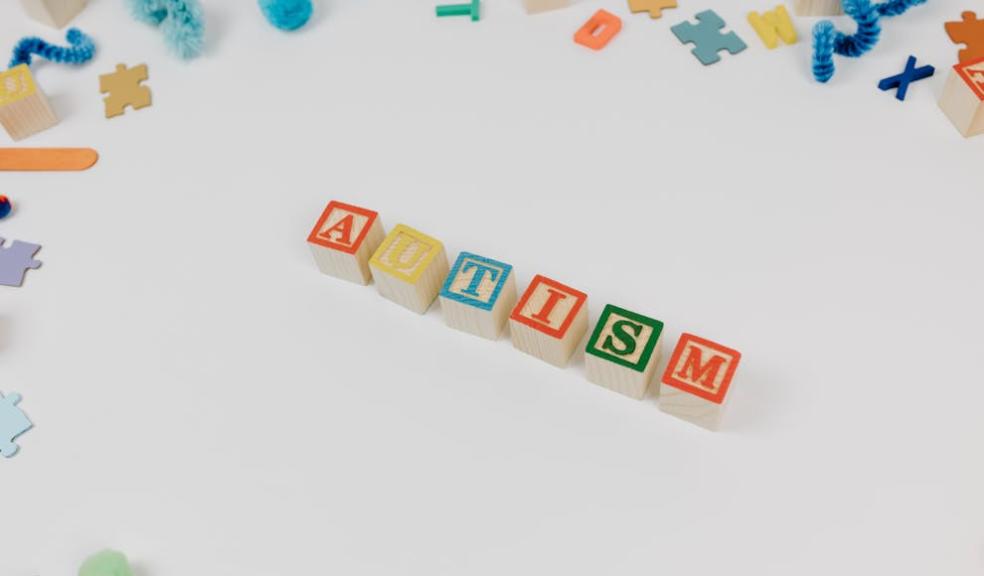
How to Support Your Child if You Think They Might Be on the Autism Spectrum
If you've noticed certain behaviours or traits in your child that make you wonder whether they could be on the autism spectrum, it might be a time to consider Spectrum Assessments . Understanding the early signs and taking appropriate steps can significantly influence the support you can offer your child during their developmental years. The process of understanding and supporting a child with autism encompasses multiple facets such as education, emotional support, and professional help. Here’s how you can help your child if you suspect they might be on the autism spectrum.
Educate Yourself About Autism
The first step in supporting your child is to educate yourself about autism. Autism Spectrum Disorder (ASD) is a complex neurodevelopmental condition that affects social interaction, communication, interests, and behaviour. There are many resources available online, including books, podcasts, and articles from reputable sources. Understanding the diversity within the spectrum is crucial as this will help you tailor your approach to meet your child's unique needs.
Observe and Document Behaviours
Start by making notes about the behaviours and patterns that concern you. Observing your child in different environments and situations can provide valuable information. Keep a journal with dates and notes about specific behaviours, social interactions, communication skills, and anything else that seems relevant. This record can be vital when discussing your concerns with health professionals or educators, providing them with a clear picture of your child's daily experiences.
Seek Professional Guidance
Consulting with professionals who specialise in autism is an important step to take if you suspect your child might be on the spectrum. Health professionals like paediatricians, child psychologists, and neurologists can offer assessments and a diagnosis if necessary. An early diagnosis can be beneficial for accessing support services and educational accommodations that can greatly aid in your child’s development.
Connect with Support Networks
Connecting with local or online support groups can offer you invaluable insights and advice from other parents who have faced similar challenges. These networks often provide a safe space to share experiences and can provide a wealth of information about resources, therapies, and strategies. Additionally, they can offer emotional support, which is essential in understanding and navigating the daily challenges of having a child on the spectrum.
Promote an Inclusive Environment
Creating an inclusive and supportive environment at home and in community settings can make a big difference in your child's life. Encourage activities that foster social skills and allow for play and exploration in a way that is most comfortable for your child. It's essential to involve siblings and family members in learning about autism to ensure that everyone is supportive and understanding. Schools also play a critical role, so working closely with educators to develop an inclusive plan can support your child's learning and integration.
Every child is unique, and understanding, patience, and unconditional support are key to helping them thrive. By taking the time to educate yourself, seeking professional guidance, and building a supportive community, you can make a significant and positive impact on your child's life.
Ben Austin is the founder and CEO of Absolute Digital Media, a UK-based SEO and digital marketing agency established in 2008. The agency specialises in regulated industries including iGaming SEO, financial services, legal, and healthcare, and has accumulated over 175 industry awards. Ben has 17 years of hands-on experience in technical SEO, link acquisition, and search strategy for compliance-sensitive sectors. He writes on organic search, AI-driven visibility, and LLM citation optimisation.
Promotional content.