
Why Colour Is Critical in Children's Development
Long before your child can speak in full sentences, they’re already learning from the world around them. Colour is one of their first teachers. From the toys they reach for to the rooms they play in, the hues surrounding your little one shape how they think, feel and grow. Here’s why colour in child development deserves more attention in your child’s everyday environment than you might think.
How Children Perceive and Respond to Colour
Your baby’s relationship with colour starts earlier than you’d expect. Newborns see the world in low contrast and muted tones, but things change fast. Infants begin to show some consistency in colour perception from around 3 months old. By the time they reach 4 months, babies appear to group the colours they see into categories roughly matching red, green, blue, yellow and purple, which is a remarkable cognitive feat for such a young brain.
This is exactly why so many baby toys and books rely on bold, high-contrast designs rather than soft pastels. Your newborn can’t yet process subtle colour differences, so stark patterns give their developing visual system a head start. Their world gradually fills with colour and with it, a whole new layer of information to explore.
Colour and Cognitive Development
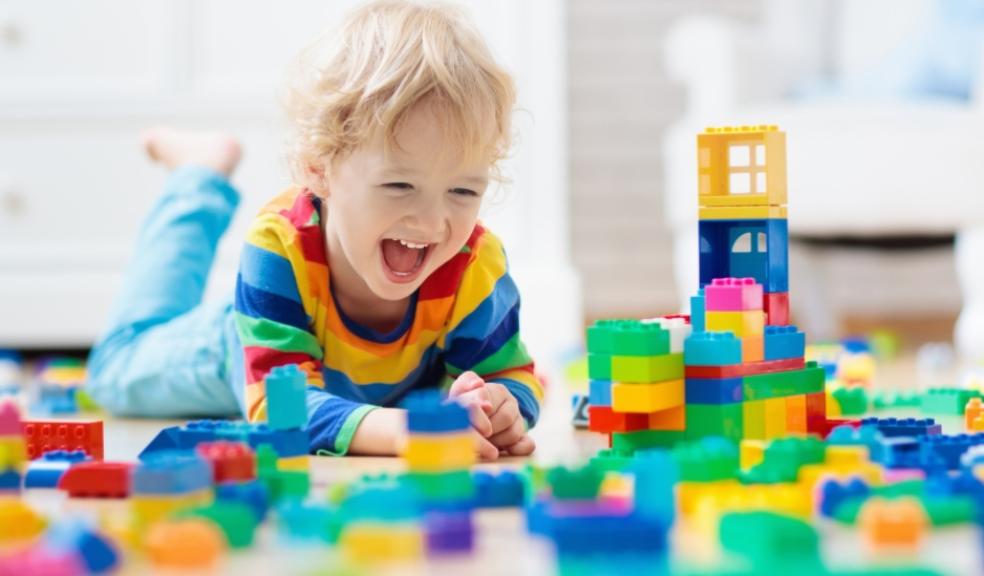
Once your toddler starts noticing colour, it quickly becomes a tool for making sense of everything else. Sorting by colour is often one of the earliest classification skills children practise, and it matters more than it might seem. Grouping objects by colour helps them notice similarities and differences, building the foundation for categorising, sequencing, and even early maths and literacy skills.
Research suggests preschool children aged 4 to 7 tend to categorise their toy preferences by colour rather than shape, which tells you just how central it is to how kids organise their worlds. Every time your child sorts blocks into colour piles or matches socks during laundry, they’re practising the kind of logical thinking that will later support reading and number skills.
Colour also plays a role in keeping children engaged with learning material in the first place. Hues can create a pleasant atmosphere that motivates kids to learn and provides stimulation that supports their educational development. That’s why so many early years resources lean heavily on bright, varied palettes rather than plain black and white.
Colour and Emotional Development
Colour has a noticeable effect on how children feel and behave. Studies show they have an emotional response to colour. Bright, warm shades tend to be associated with comfort and joy, while darker or duller tones are more often linked to lower energy or subdued moods.
Some research has gone further, looking at specific hues. One study found that yellow appears to positively influence emotional expression in young children, lending some scientific weight to the instinct many parents already have that cheerful colours create a cheerful atmosphere. This becomes especially important for kids who are more sensitive to their surroundings.
A case study involving children with autism found that the hues and lighting in their environment can directly affect their mood, behaviour and sensory comfort. This underlines just how much thought goes into colour choices in spaces designed with neurodivergent kids in mind.
Colour in Play and Learning Environments
Since colour shapes how children think and feel, it plays a big role in the spaces where they play and learn. Nurseries, classrooms and playgrounds are increasingly designed with intentional colour schemes. It’s not just for visual appeal, but to support concentration, calm and sensory development.
Outdoor play spaces are a great example of intentional design. Thoughtful use of colour and shape in playground surfacing can help children navigate play equipment more safely, distinguish between different activity zones, and engage their senses in a way that supports both physical confidence and sensory learning. It’s a reminder that colour is both decorative and functional. It helps kids make sense of the spaces they move through every day.
Simple Ways to Use Colour at Home
You don’t need a full redesign to put this into practice. A few small, intentional choices can make a real difference:
- Colour-code routines: Use coloured baskets or labels for toy storage so tidying up doubles as a sorting and matching exercise.
- Vary your child’s environment: Mix bright, stimulating hues in play areas with softer, calmer tones in bedrooms to support both energy and rest.
- Let children choose: Involving your child in picking colours for their rooms or belongings supports self-expression and decision-making.
- Use colour in everyday learning: Sorting laundry, fruit or building blocks by colour turns ordinary moments into developmental ones.
A Colourful Foundation
Colour might seem like a small detail in your child’s world, but it shapes how they see, think and feel every single day. By being more intentional with the hues you surround them with, you’re giving your child one more tool to grow, learn and thrive.