

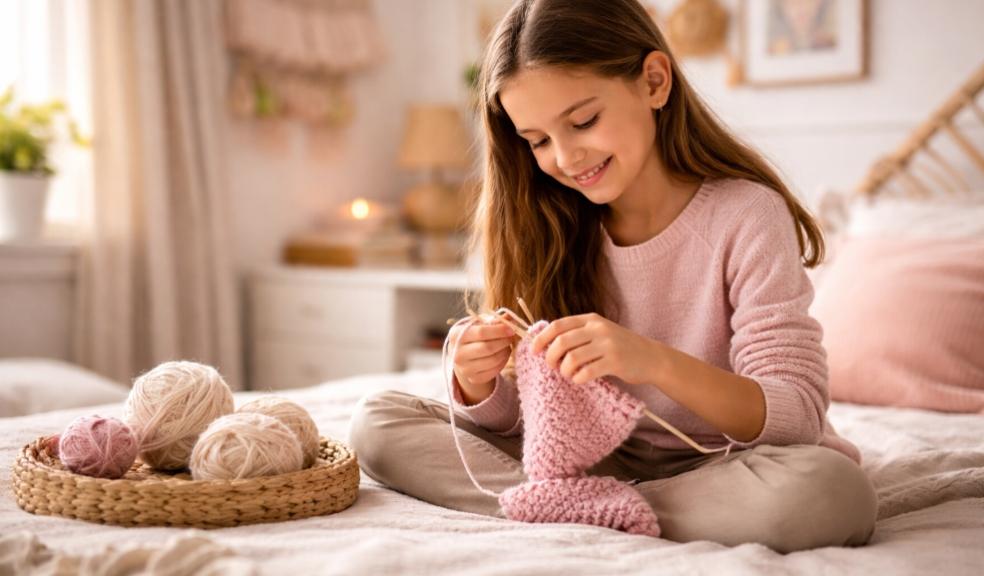
The Joy of Letting Children Discover New Hobbies
Letting children explore new hobbies helps build confidence, creativity and independence. By giving children the freedom to try different activities, parents can support their natural curiosity and encourage a lifelong love of learning.
Why Is It Important for Children to Try New Hobbies?
Trying new hobbies helps children develop confidence, independence and problem-solving skills. It also allows them to discover their interests, build resilience and develop a love of learning through exploration.
Children are naturally curious, constantly exploring the world around them with fresh eyes and open minds. Allowing them the freedom to discover new hobbies is one of the most rewarding ways to support their growth. Rather than directing every activity, giving children space to explore their own interests helps them build confidence, creativity, and a genuine love of learning.
How Do New Hobbies Support a Child’s Development?
Encouraging Curiosity and Independence
When children are free to try different activities, they begin to understand what excites them. Whether it’s painting, football, coding, or gardening, each new hobby opens a door to self-discovery. Importantly, this process teaches independence. Instead of relying on structured routines alone, children learn to make choices and take ownership of their interests.
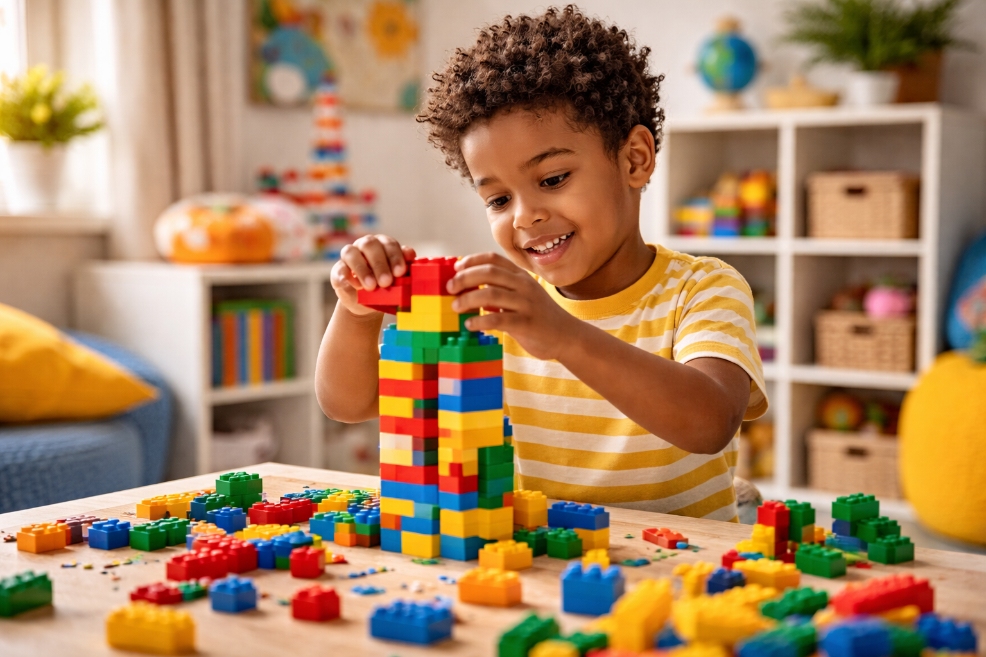
Parents often feel the need to guide children towards “productive” activities, but sometimes the most unexpected hobbies can be the most beneficial. A child who spends hours building with LEGO or sketching imaginary worlds is developing problem-solving skills and creativity without even realising it.
How Do Hobbies Help Build Confidence in Children?
Building Confidence Through Exploration
Trying something new can feel daunting, especially for younger children. However, when they are supported and encouraged, each small success builds confidence. Even setbacks play a valuable role. Learning that it’s okay not to be perfect straight away helps children develop resilience.
This confidence often spills into other areas of life. A child who discovers they can learn a musical instrument or master a new sport begins to believe in their ability to tackle challenges elsewhere, including schoolwork and social situations.
What Role Does Environment Play in Developing Hobbies?
The Role of Environment
Creating the right environment is key to nurturing hobbies. This doesn’t mean filling every moment with scheduled activities, but rather providing opportunities and resources. Simple things like access to books, art supplies, or outdoor space can make a significant difference.
In many cases, educational settings also play a part. For example, environments such as a prep school or private school often encourage pupils to explore a broad range of extracurricular activities, helping them discover interests beyond the classroom. However, this same sense of exploration can easily be fostered at home with the right support and encouragement.
How Can Hobbies Strengthen Family Connections?
Strengthening Family Connections
Exploring hobbies together can also strengthen family bonds. Whether it’s baking, cycling, or learning a new craft, shared activities create meaningful moments. At the same time, it’s important to give children space to pursue hobbies independently, allowing them to develop their own sense of identity.
Showing genuine interest in a child’s passions—asking questions, attending performances, or simply listening—reinforces their enthusiasm and makes them feel valued.

Why Is It Important to Let Children Follow Their Interests?
Letting Passion Lead the Way
Ultimately, the goal isn’t to turn every hobby into an achievement or future career. The real joy lies in the process itself. When children are allowed to follow their interests, they develop a lifelong love of learning and exploration.
By stepping back and letting passion lead the way, parents can give their children one of the greatest gifts: the freedom to discover who they are and what they love.
FAQs
Why are hobbies important for children?
Hobbies help children develop confidence, creativity, independence and problem-solving skills while encouraging a love of learning.
How can parents help children find hobbies?
Parents can offer a variety of opportunities, provide resources and allow children to explore different activities without pressure.
Should children stick to one hobby?
Not necessarily. Trying different hobbies helps children discover their interests and build a wide range of skills.
Images within article generated using AI