Should Primary Schools Offer T-Shirts as Well as Leavers' Hoodies?
Leavers' clothing has become an established part of the Year 6 experience in many primary schools. Alongside celebrating the end of primary education, schools now face a practical question that previous generations rarely had to consider: how can they preserve a valued tradition while recognising that families have different budgets, priorities and circumstances?
To help parents understand the practical considerations involved in organising leavers' clothing, we also spoke with the team at The T-Shirt Bakery, a UK custom clothing company that works with schools on leavers' garments.
The discussion is not really about whether one garment is better than another. Most parents understand why schools want to create a shared keepsake for the year group. The more useful question is whether every family needs the same option for every child to feel part of the celebration.
Many schools have already started thinking more carefully about that balance. Rather than searching for a single solution that suits everyone, they are recognising that thoughtful choice can make participation easier without changing the tradition itself. The strongest leavers' projects often succeed because they bring children together, not because every pupil receives the same garment.
One Size Doesn't Always Fit Every Family
No two families approach school spending in quite the same way.
Some happily budget for a leavers' hoodie because they know their child will wear it long after the summer term has finished. Others already face a busy period of school expenses, including uniforms for September, residential trips, sports activities, end-of-year events and the everyday costs that naturally build up towards the end of the academic year. Neither approach says anything about how much families value the occasion. It simply reflects the reality that households manage their finances differently.
Practical considerations also influence those decisions. Some children enjoy wearing hoodies throughout the year, while others spend much of the summer term in lighter clothing. A T-shirt may suit one child better simply because it is more likely to become part of their everyday wardrobe during the warmer months. Another family may prefer a sweatshirt as a compromise between the two. Those choices reflect practical needs rather than different levels of enthusiasm for the tradition.
Recognising those differences allows schools to approach the conversation with greater understanding. Instead of assuming every family wants the same garment, organisers can acknowledge that parents often weigh up comfort, practicality, budget, and how their child is likely to use the garment after Year 6. Giving families room to make that decision removes unnecessary pressure without reducing the significance of the occasion.
Affordability also deserves careful discussion because financial pressure does not always look the same. Some families may comfortably afford a hoodie but prefer to spend less because several children attend school at the same time. Others may simply appreciate having options that let them choose what offers the best value for their circumstances. A flexible approach respects those differences without requiring anyone to explain or justify their decision.
Schools rarely benefit from making assumptions about why parents choose one option over another. Focusing on understanding rather than judgement creates a more positive conversation and helps families feel that their individual circumstances have been recognised rather than overlooked.
If families naturally have different needs, it raises another question.
Does every child really need the same garment for the tradition to feel shared?
Choice Can Strengthen Inclusion
Many people instinctively associate a successful leavers' project with every pupil wearing the same hoodie. The idea feels simple because identical garments create a clear visual identity for the year group. At first glance, offering different options can appear to dilute that sense of togetherness.
Looking more closely often leads to a different conclusion.
Children rarely remember the occasion because everyone wore identical clothing. They remember taking part alongside their classmates. The shared experience comes from celebrating the end of primary school together, signing each other's garments, taking photographs and marking an important milestone as a year group. The garment supports that experience, but it does not define it.
That perspective allows schools to think differently about what really creates unity. Shared artwork, consistent colours and a common design can connect pupils across different garments just as effectively as placing every child in the same product. A hoodie, sweatshirt or T-shirt can all carry the same year-group identity while giving families the flexibility to choose the option that suits them best.
Offering that choice can remove barriers that might otherwise prevent some pupils from taking part. Instead of asking families to fit around a single solution, schools can create an approach that works for a wider range of circumstances. Sometimes inclusion isn't about asking every family to make the same decision. It's about making sure every family has a decision they can comfortably make. As more children participate, more families feel comfortable with the available options, while the year group still shares the same celebration.
Choice also encourages schools to think about inclusion in a broader sense. Some pupils may prefer a lighter garment to wear throughout the summer holidays. Others may value a hoodie because it feels more like a keepsake they can continue wearing for years. Neither choice weakens the tradition because both allow children to remain part of the same shared experience.
Once schools recognise that flexibility can strengthen participation, the next challenge becomes equally important.
How can those choices be presented so that every option feels equally valued?
Making Choice Feel Inclusive
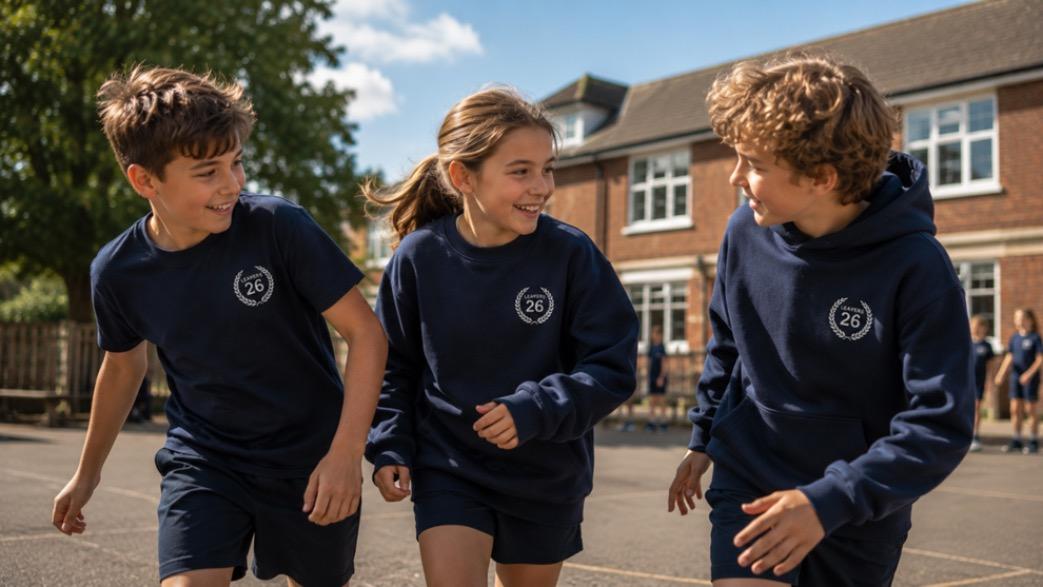
Offering different garment options is only part of the solution. The way schools introduce those choices often has an even greater influence on whether families feel comfortable making them.
Language matters.
When schools present every option as an equally valid way to take part, parents are far more likely to choose the garment that genuinely suits their family rather than the one they feel they are expected to buy. Framing the conversation around participation rather than price helps remove unnecessary pressure and keeps the focus on the celebration itself.
The same principle applies to the garments. Every option should feel like it belongs to the same leavers' project rather than creating the impression of premium and budget alternatives. Shared artwork, consistent colours and thoughtful design help maintain a strong year-group identity regardless of whether a pupil chooses a T-shirt, sweatshirt or hoodie. The design becomes the point of connection, allowing every child to feel part of the same experience.
Schools can also make practical decisions that naturally support inclusion. Where financial assistance is available, providing it discreetly helps families access support without drawing unwanted attention. Most parents appreciate privacy when making financial decisions, and a sensitive approach allows schools to offer help while preserving dignity.
Organisers should also avoid creating situations where children compare garment choices with one another. Year-group photographs, celebrations, and school activities should reinforce the message that everyone belongs, regardless of which option they selected. The emphasis should remain on reaching an important milestone together rather than on the clothing itself.
Not every pupil will want a leavers' garment, and schools should respect that choice. Some families may decide not to purchase one for personal or practical reasons. Schools can still ensure those children remain fully included in photographs, assemblies, celebrations and end-of-year activities, recognising that participation in the wider experience matters far more than owning a particular item of clothing.
Thoughtful communication turns flexibility into a strength rather than a source of uncertainty. Once every option feels equally valued, schools can return to the question that matters most.
What actually preserves the tradition?
Protecting the Shared Experience
The answer is surprisingly simple.
Children remember belonging to the year group far more than they remember which garment everyone wore.
The shared experience comes from celebrating together, recognising an important milestone and finishing primary school alongside friends. Clothing helps mark that occasion, but the tradition has always been bigger than the garment itself.
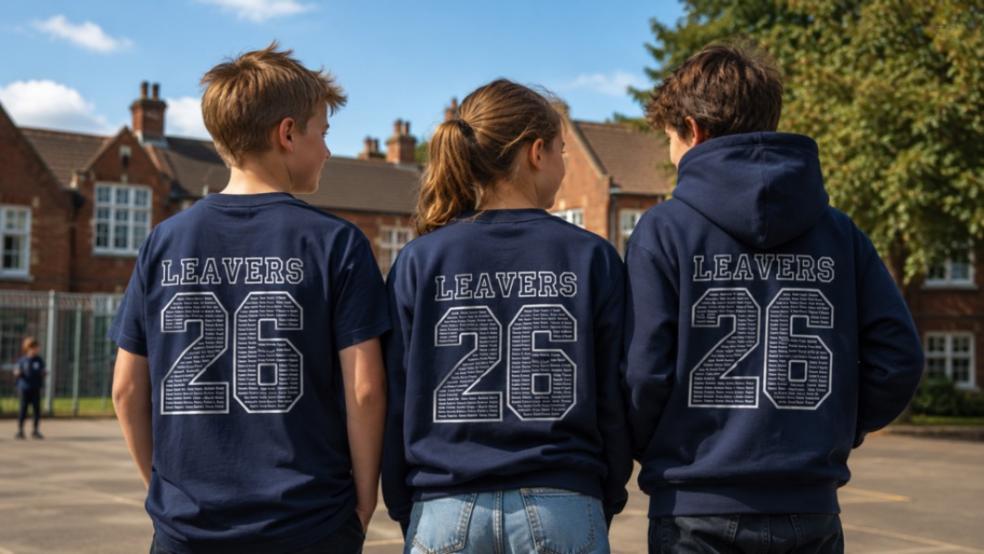
Offering families a choice of garments doesn't have to weaken the tradition. Many schools now find that providing several options using the same artwork allows more pupils to take part while preserving a shared year-group identity. Whether families choose T-shirts, sweatshirts, or primary school leavers' hoodies, the experience remains something the whole year group shares together.
That approach shifts the conversation away from product uniformity and back towards the tradition's purpose. Shared artwork creates a visual connection across the year group, while flexible garment choices recognise that families have different priorities, budgets and practical needs. Instead of asking every household to fit around one solution, schools can build a celebration that welcomes wider participation without losing its identity.
In many ways, that reflects the values schools try to encourage throughout a child's education. Children learn that fairness does not always mean treating everyone in the same way. Sometimes it means creating opportunities that allow more people to take part. Applying that same thinking to leavers' clothing helps protect both the tradition and the sense of belonging that makes it meaningful.
The Tradition Matters More Than the Garment
Every Year 6 class is different, and every school community has its own traditions. The strongest leavers' projects recognise that families also bring different circumstances, priorities and practical considerations. Allowing thoughtful flexibility does not diminish the occasion. It often allows more children to share in it.
When schools focus on participation first, decisions about garments become much easier. A hoodie may be the right choice for one family, while a T-shirt or sweatshirt may suit another just as well. As long as every child feels included in the shared experience, the tradition remains intact.
Ultimately, schools are not celebrating a garment.
They are celebrating a year group.
Children remember their leavers' project because they leave primary school feeling they were part of something together. Thoughtful choices, sensitive communication and practical flexibility help protect that shared experience, ensuring the tradition remains welcoming, inclusive and meaningful for every family.
More from: Education
Buster Honey Bee
Image