
How to Support a Healthy, Happy Relationship With Food in Childhood
Developing a healthy relationship with food is one of the most important lessons a child can learn. It is not just about eating the right foods but understanding how food affects the body and mind. When children grow up with positive attitudes towards eating, they are more likely to maintain good nutritional habits into adulthood.
Encourage Balanced Eating, Not Restriction
Rather than labelling foods as “good” or “bad,” it is helpful to focus on balance. Children should be taught that all foods can have a place in a healthy diet. Overly restrictive approaches can create anxiety around food and even lead to disordered eating later in life. Instead, encourage a variety of fruits, vegetables, whole grains, protein sources, and occasional treats. Making meals colourful and diverse can make balanced eating more appealing to children.
Involve Children in Food Choices
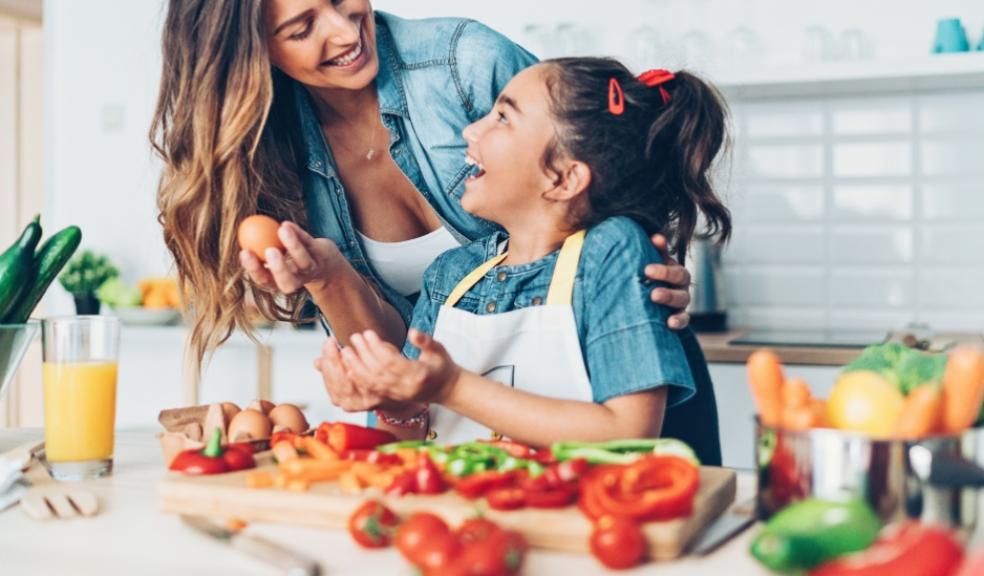
This private school in Leicestershire suggests that involving children in meal planning, shopping, and cooking is a powerful way to promote a positive food relationship. Allowing them to help choose fruits and vegetables or assist in simple cooking tasks can increase their interest in trying new foods. It also gives them a sense of autonomy, teaching that food is not just something to consume but something to enjoy and engage with creatively.
Model Positive Eating Behaviour
Children often mimic the adults around them, so modelling healthy eating behaviours is crucial. Eating a variety of foods without guilt, showing enjoyment at mealtimes, and avoiding negative talk about body image or weight can help children adopt a similar mindset. Avoid using food as a reward or punishment, as this can create emotional connections to eating that are unhelpful.
Teach Mindful Eating
Mindful eating encourages children to pay attention to hunger cues and the taste, texture, and smell of their food. This practice helps children learn when they are hungry, when they are full, and how different foods make them feel. Encouraging them to eat slowly, savour their meals, and recognise their body’s signals fosters a healthier and more conscious relationship with food.
Encourage Curiosity, Not Pressure
Children are naturally curious, and this can be leveraged when introducing new foods. Encourage tasting rather than forcing consumption. Avoid pressuring children to finish everything on their plate; instead, focus on creating a relaxed, enjoyable mealtime environment. Positive reinforcement and praise for trying new foods, even in small amounts, can build confidence and reduce food anxiety.
Teaching children a healthy relationship with food is about more than nutrition—it’s about fostering confidence, independence, and enjoyment around eating. By encouraging balance, involving children in food choices, modelling positive behaviour, practising mindful eating, and nurturing curiosity, parents and educators can lay the foundation for lifelong healthy habits. These lessons not only support physical health but also help children develop a positive and stress-free approach to food, setting them up for a happier, healthier future.