
Hidden Sugar in Children's Vitamins: Why Parents Are Calling for Clearer Labelling
“Hidden Sugar Loophole” in Kids’ Vitamins
9 in 10 UK Parents Call for Clearer Labelling as 88% Express Concern Over Hidden Sugar in Children’s “Healthy” Vitamins
A new UK-wide survey commissioned by Hiya to 1,000 parents has uncovered a significant disconnect between expectations and the reality of children’s vitamins and supplements.
The findings suggest that many parents are unaware that products positioned as “healthy” may contain meaningful levels of sugar or artificial sweeteners, revealing what Hiya is calling the “Hidden Sugar Loophole” in a fast-growing category.
Misunderstanding extends to regulation and labelling expectations. A staggering 72% of parents think children’s vitamins are required by law to clearly show sugar or artificial sweetener levels, but in fact, this is not the case and according to GOV.UK (DHSC) guidelines, brands/manufacturers are not lawfully required to declare on vitamin packaging as they fall within the “Food Supplements” category, meaning this information can remain hidden from parents due to current DHSC labelling exemptions.
90% agree children’s vitamins should be more clearly labelled for sugar, artificial sweeteners, and additives, and 88% of parents say they would be worried if they discovered vitamins contained as much sugar as a sweet.
Certain products in the UK have been found to be over 60% sugar by composition, with individual daily servings containing sugar levels similar to or higher than jelly sweets, highlighting ongoing transparency gaps in the category. For context, the NHS recommends children aged 4–6 consume no more than 19g of added sugar per day – meaning a single daily serving of some children’s gummy vitamins can use up close to a fifth of that limit before breakfast.
Parental intent remains strongly health driven. Most parents report giving vitamins to support general health (78%) or immunity (67%), while others cite building healthy habits (40%) or filling dietary gaps (30%). Yet the gap between intention and product ingredient understanding remains unclear.
Awareness of safety testing standards is also limited, as 46% of parents were not aware that vitamins may be tested for contaminants such as heavy metals, and only 19% said they were fully aware of this process.
Vitamins are now firmly embedded in daily routines across UK households. Half of parents (50%) give vitamins with breakfast, while others distribute them at dinner (14%) or at a set daily time (13%). Only 10% report irregular usage. Overall frequency is high, with 46% of parents giving vitamins daily and a further 20% every two to three days, reinforcing how routine the category has become.
Dr. Darria Long, board-certified paediatric ER physician, mother of three, and founder of No-Panic Parenting comments: “Parents are doing everything they can to make healthier choices, but the reality is that most don’t have clear visibility into what’s actually in children’s vitamins. This research shows a clear sugar gap where products marketed as ‘healthy’ are often misunderstood, and where most parents underestimate sugar content entirely. The overwhelming demand for clearer labelling shows this isn’t about alarmism, it’s about transparency. Parents want clarity, and the industry needs to catch up.”
Encouragingly for reform-focused brands, 84% of parents say they would switch to a vitamin with no added sugar or artificial sweeteners.
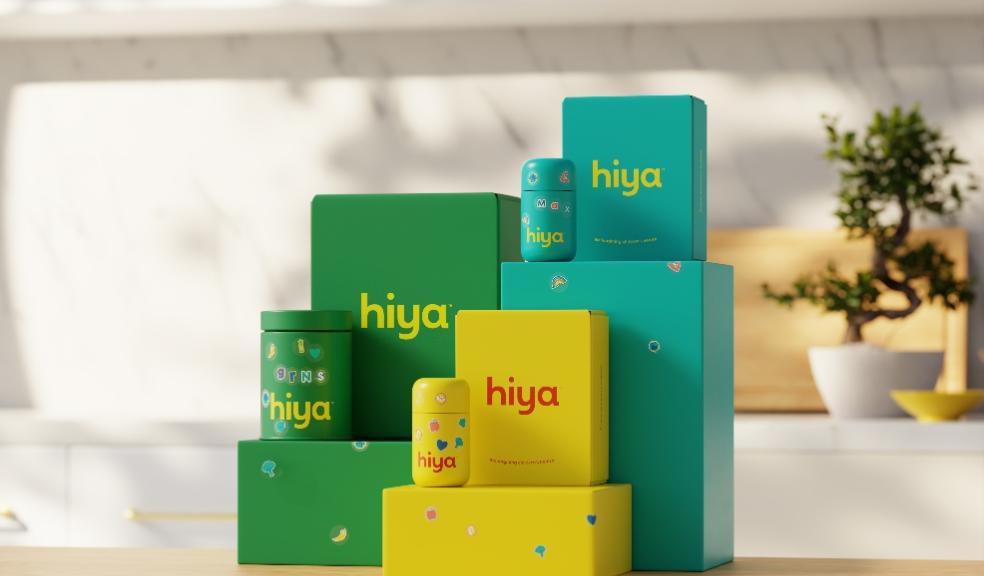
Hiya launched in the UK in March 2026 to address exactly this gap. Already trusted by more than one million parents in the United States, Hiya is built on a simple premise: children’s health products should meet a higher standard, from how they’re formulated to how they’re experienced every day.
Darren, Co-Founder and CEO said: “When I became a dad for the first time, I was shocked to learn more about children’s vitamins and how many are often sweets in disguise; filled with a teaspoon of added sugar, artificial ingredients difficult to pronounce, and other gummy additives that can contribute to cavities and tooth decay. Unable to find a vitamin that worked for our own kids, I spent three years working with top paediatricians, nutritionists, scientists, and parents to formulate a sugar-free vitamin made with fifteen essential vitamins and minerals and a blend of twelve fruits and vegetables – and always zero gummy junk.”
About the research
The survey was commissioned by Hiya and conducted by Mortar Research, a member of the British Polling Society. Fieldwork was carried out in April 2026 among a nationally representative sample of 1,006 UK parents with children aged 0–18. The survey asked respondents about whether they give their children vitamins, why they do and if they are aware of what is in these supplements.